
Elon Musk makes shocking prediction: Humans will not need to work in 20 years
While Gen Z is worried about losing their jobs to AI, Elon Musk is painting a shocking vision: In less than 20 years, the concept of “going to work” for a living will disappear, becoming an optional hobby like growing vegetables.
Sharing in a podcast episode with investor Nikhil Kamath that just aired, Tesla CEO gave a specific timeline that startled observers.
“In less than 20 years, maybe even just 10-15 years, with the rapid advances in AI and robots, we will reach a point where going to work is just optional,” Musk affirmed.
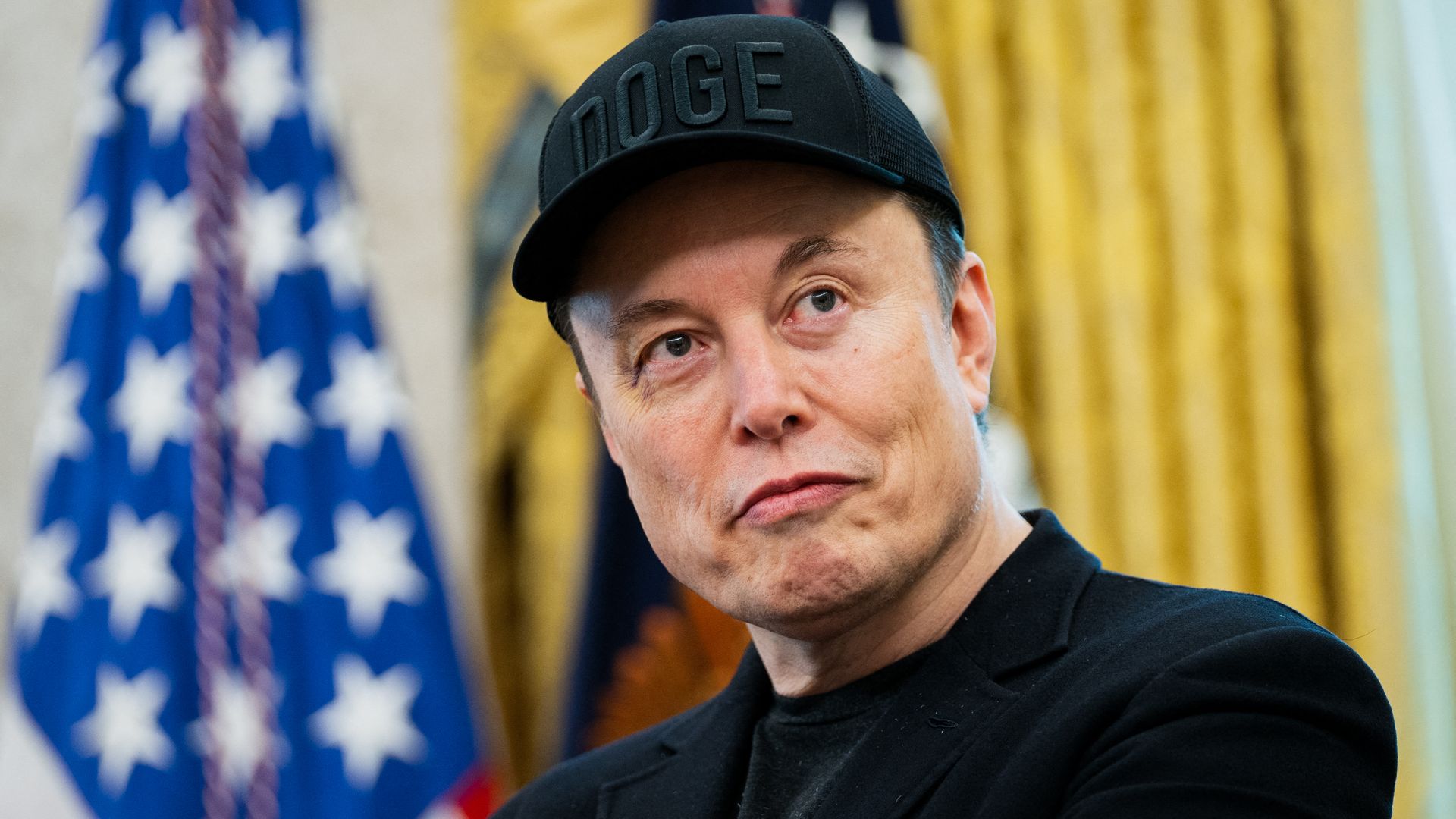
Elon Musk compares future jobs to growing vegetables at home instead of buying them from the store (Photo: Getty).
From a duty to make a living to an “elegant pleasure”
Many young graduates are working day and night to find low-level jobs, fearing that artificial intelligence (AI) will steal their jobs.
But in the eyes of the richest man on the planet, Elon Musk, this generation may be worrying too much. According to his latest prediction, when they reach middle age, humanity may have reached an era where people no longer need to work.
When the host mentioned the growing trend of shortening the work week in many parts of the world, Musk immediately dismissed it. For him, the story does not stop at a 4-day or 3-day work week. From the billionaire’s perspective, when AI pushes labor productivity to the maximum, work will transform from a survival obligation to a form of personal interest.
To illustrate this thinking, the tech mogul uses an interesting analogy: Growing vegetables.
“You can grow your own vegetables in your garden, or you can buy them at the supermarket. Obviously, growing your own vegetables is much harder, but there are still people who like to do it because they are passionate about it. That’s completely normal. The future of work will be exactly the same,” Musk said.
According to Musk, this liberation of labor will come with a new economic model. He talks about the concept of “universal high income”, where all human needs and expenses are covered. He envisions a future where “anything you can imagine, you can own”, and people are no longer tied to big cities just for work.
In fact, Elon Musk is not the only one who sees this shift, but he is the one who makes the most “extreme” prediction.
Previously, Bill Gates – co-founder of Microsoft once said that AI will help companies apply the 3-day work week. Eric Yuan (CEO Zoom) and Jensen Huang (CEO Nvidia) also agreed that AI is paving the way for the 4-day work week to become a reality thanks to the skyrocketing productivity.
Jensen Huang, however, has a more realistic perspective: AI helps us work more efficiently, but that can keep humans busy with new ideas, not necessarily sitting around doing nothing.
But for Musk, the ultimate goal is complete automation. Tools like ChatGPT and Google Gemini currently only save a few dozen hours of work per week, but that’s just the beginning of a comprehensive replacement.
The other side of the coin: Transformation shock and the danger of “Universe 25”
Musk’s prediction, while sounding like a utopian dream, is causing fierce debate and real fear.
Andrew Yang, a former US presidential candidate and tech-savvy entrepreneur, warns that we should not view life through Musk’s rose-colored glasses and forget the harsh reality before our eyes.
Citing MIT’s Iceberg Index, Yang points out that current AI systems are already capable of replacing the skills of about 11.7% of the US labor market. Giants like Amazon are aiming to automate large parts of their operations, and a host of large corporations from Salesforce to IBM have begun cutting staff to restructure towards AI.
“Forty-four percent of jobs in the US, whether manual or repetitive mental, are at the mercy of automation,” Yang warned. He estimated that in the next decade alone, 30-40 million jobs could “evaporate.”
If Musk’s predictions are correct, humanity will have to go through a very painful transition before reaching “paradise.” Mass unemployment, social unrest and disorientation are all present risks.
On social networking forums, public opinion is also divided into two poles. One side is excited about the prospect of living for passion. The other side is worried about the collapse of social structure. Many people mention the famous experiment “Universe 25” about mouse society, where excess resources lead to degradation and destruction, as a warning to humanity when there is no longer a purpose for labor.
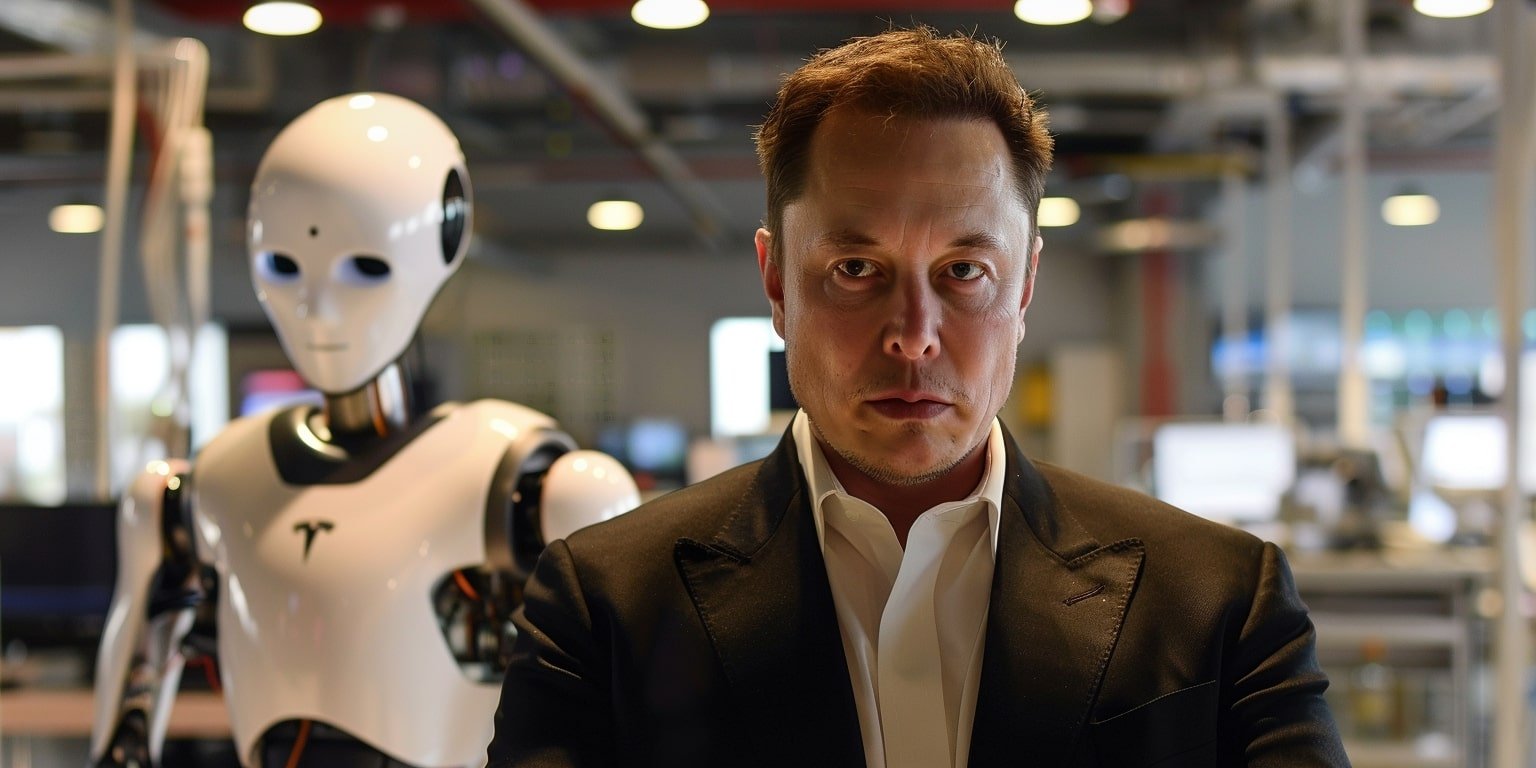
Recent analysis shows that AI and automation are already capable of taking over a significant portion of the workload in the US, and are rapidly reshaping the labor market (Photo: Canva).
To address this shock, Andrew Yang has re-proposed a Universal Basic Income (UBI), funded by taxing the very AI companies that profit so much from public data. However, he also admits that money is not a “panacea.” People still need a sense of accomplishment and meaning in life – something that work provides.
As for Elon Musk, this billionaire seems to accept the risk of being ridiculed by the world to maintain his stance.
“In 20 years, people might play this tape back and say, ‘Elon said some stupid things.’ But I believe that will be true,” Musk said with characteristic confidence.
News

Number one golfer in the world, Scottie Scheffler, recently surprised fans by sharing a touching family moment, reminding everyone of his priorities.
Scottie Scheffler’s Adorable Moment With Son Bennett and Wife Meredith Leaves Fans in Awe Scottie Scheffler’s win at The American Express 2026…
The EU has launched an investigation into Elon Musk’s Grok chatbot over the risk of spreading illegal content.
The European Commission (EC) has officially launched an investigation into the artificial intelligence chatbot Grok, developed by xAI, a company…

Absolutely incredible!! Lindsey Vonn – Tiger Woods’ ex-girlfriend – has earned a spot in the US Winter Olympics at the age of 41.
Tiger Woods’ ex Lindsey Vonn makes US Winter Olympics squad at 41 after miracle comeback from knee replacement surgery SKIING…

Oh no! Kelly Clarkson is considering leaving The Kelly Clarkson Show while still at the peak of her career.
Kelly Clarkson on Verge of Quitting Talk Show? What Staff and Sources Are Saying She has been holding down the…

Singer Grimes reveals strange details about her child with Elon Musk.
After keeping her private life secret for a long time, Grimes unexpectedly revealed some special details about her three children…

Patrick Reed is ready to end his feud with Rory McIlroy using a rather ‘unusual’ method.
Patrick Reed Willing to End Rory McIlroy Feud Using Bizarre Measure Years After ‘Tee-Gate’ The Tee Gate incident sparked a lot of…
End of content
No more pages to load