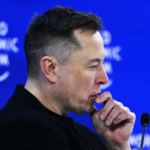
The European Commission (EC) has officially launched an investigation into the artificial intelligence chatbot Grok, developed by xAI, a company founded by billionaire Elon Musk, to clarify the potential for violations of strict EU regulations on controlling illegal content, particularly manipulated pornography involving women and minors.
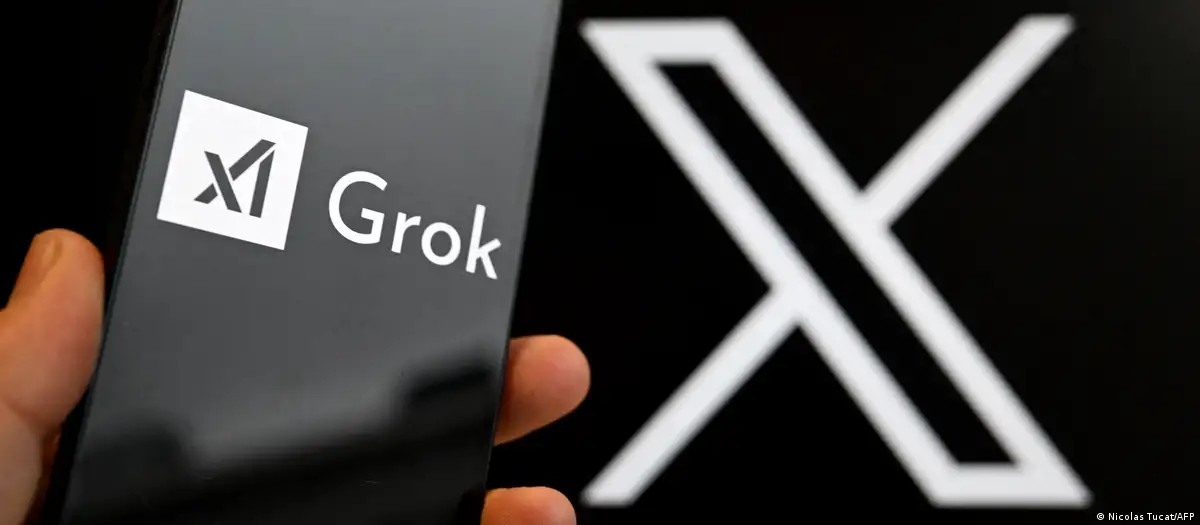 Grok has been widely criticized for allowing users to create offensive images that demean women and children. Photo: Nicolas Tucat/AFP
This move shows that the EU is increasing scrutiny of AI generative applications, as the technology develops faster than the existing legal framework.
In recent years, the EU has consistently affirmed its tough stance in regulating large technology platforms and artificial intelligence systems that have a profound impact on society. The opening of the Grok investigation is not just an isolated case, but reflects a trend towards tightening legal accountability for tech giants when deploying products in the European market.
INVESTIGATION UNDER THE FRAMEWORK OF THE DIGITAL SERVICES LAW
According to an announcement on January 27, the European Commission stated that the investigation into Grok was conducted under the Digital Services Act (DSA ) , one of the EU’s most important legal pillars regulating the activities of large digital platforms.
The DSA requires technology companies to proactively assess and mitigate risks associated with the dissemination of illegal and harmful content, and to implement measures to protect users, especially vulnerable groups. For large platforms like X, this obligation is even more stringent, including requirements for regular risk assessments and transparency regarding content control practices.
In Grok’s case, the EC will consider whether X has adequately assessed and mitigated risks when deploying the chatbot’s features in the EU. The focus of the investigation is the risk of spreading manipulated, sexually explicit images, including content that could constitute child sexual abuse material.
The European Commission stressed that EU citizens have been exposed to these risks and suffered “serious harm”. According to the EC, the potential misuse of AI-generated tools to create illegal content poses a major challenge to digital security and human rights.
EU CITIZENSHIP IS A “RED LINE”
Speaking about the investigation, EU Commissioner for Technology Henna Virkkunen said the EC’s goal was to determine whether X had fully complied with its legal obligations under the DSA, or had prioritized commercial interests and speed of product deployment over the interests of European citizens.
According to Ms. Virkkunen, sexually explicit images of women and children created without consent are “an unacceptable form of violence and degradation.” She stressed that the EU considers protecting the rights of women and children in the digital space a non-negotiable “red line.”
This perspective reflects the EU’s characteristic approach to technology governance: prioritizing human rights, privacy, and social safety, even if it may slow the pace of innovation or increase compliance costs for businesses.
Amidst the growing prevalence of AI-generated content, European policymakers fear that without robust controls, these tools could be exploited to amplify harmful behavior, manipulate images, and spread malicious information on a massive scale.
REACTIONS FROM X AND THE RISK OF EU-US TENSIONS
For its part, X cited a January 14 statement saying that the company xAI had made several adjustments to Grok, including restricting image editing features and blocking users from creating images of people in revealing clothing in “legal jurisdictions where such behavior is illegal.”
However, X did not specify which countries were covered by these measures. A senior European Commission official said that while the EC acknowledged the changes from xAI, these measures were still insufficient to address all systemic risks. According to the official, there is still reason to believe that X did not conduct additional risk assessments when deploying Grok in Europe.
The EU’s move could escalate tensions with the US, amid repeated criticism from the Trump administration of EU technology regulations as overly strict and detrimental to American businesses. Washington argues that the EU’s tightening regulations could affect revenue from the digital activities of American companies in the European market.
However, from the EU’s perspective, the application of regulations like the DSA is not aimed at targeting American businesses, but rather at establishing “common rules of the game” for all platforms operating in the bloc’s digital space. The Grok investigation is therefore seen as a crucial test of the effectiveness of the DSA, as well as the EU’s determination to control risks from artificial intelligence.
In the long term, this case could set a precedent for how regulators around the world approach generative AI: not only encouraging innovation, but also holding developers accountable for the social impact of the technology they create.
News
Number one golfer in the world, Scottie Scheffler, recently surprised fans by sharing a touching family moment, reminding everyone of his priorities.
Scottie Scheffler’s Adorable Moment With Son Bennett and Wife Meredith Leaves Fans in Awe Scottie Scheffler’s win at The American Express 2026…

Absolutely incredible!! Lindsey Vonn – Tiger Woods’ ex-girlfriend – has earned a spot in the US Winter Olympics at the age of 41.
Tiger Woods’ ex Lindsey Vonn makes US Winter Olympics squad at 41 after miracle comeback from knee replacement surgery SKIING…

Oh no! Kelly Clarkson is considering leaving The Kelly Clarkson Show while still at the peak of her career.
Kelly Clarkson on Verge of Quitting Talk Show? What Staff and Sources Are Saying She has been holding down the…

Singer Grimes reveals strange details about her child with Elon Musk.
After keeping her private life secret for a long time, Grimes unexpectedly revealed some special details about her three children…
Patrick Reed is ready to end his feud with Rory McIlroy using a rather ‘unusual’ method.
Patrick Reed Willing to End Rory McIlroy Feud Using Bizarre Measure Years After ‘Tee-Gate’ The Tee Gate incident sparked a lot of…
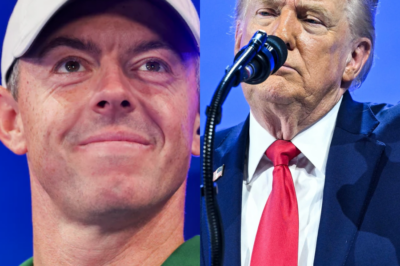
Surprisingly, Eric Trump, the president’s son, revealed that thanks to Rory McIlroy, Trump’s property in Clare County won the right to host one of the world’s most prestigious golf tournaments.
Rory McIlroy’s Quiet Role in Donald Trump’s Ireland Plans Gets Revealed by His Son: ‘Without Rory’s Support…’ Rory McIlroy and Donald Trump’s…
End of content
No more pages to load