The tense secrets behind OpenAI are gradually coming to light.
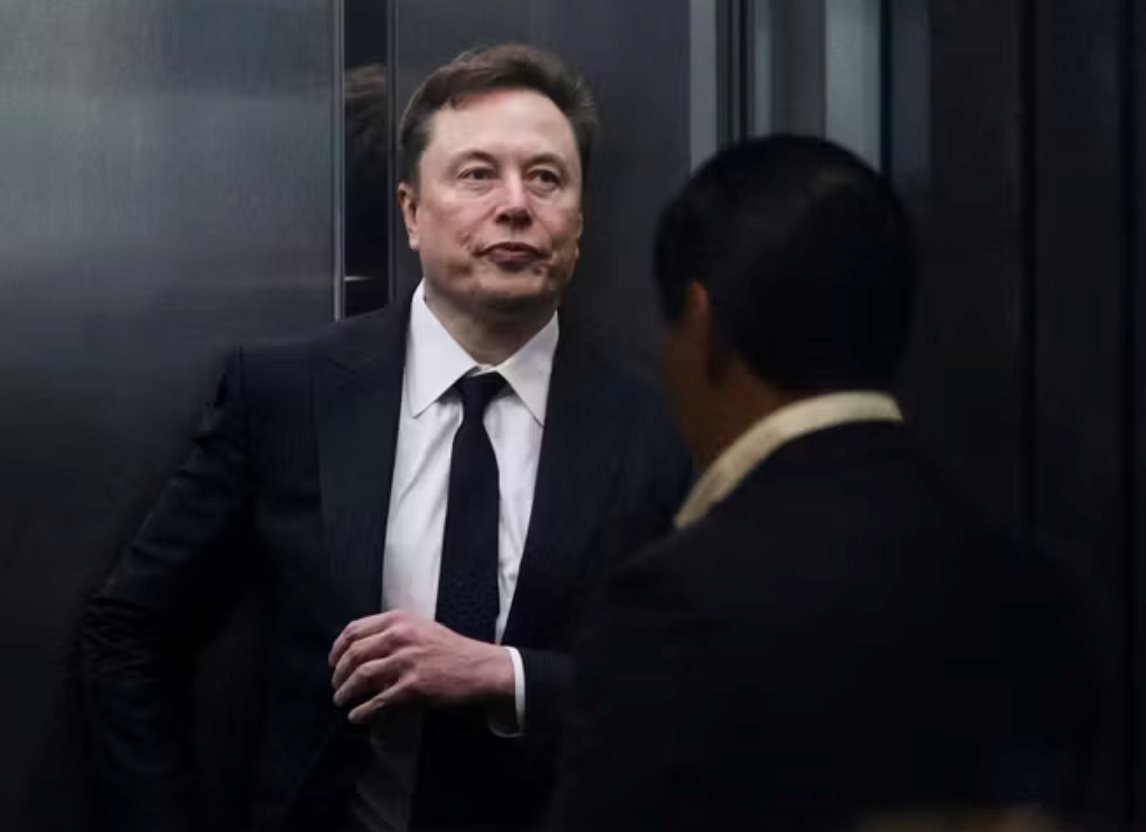
WIRED reports that Greg Brockman and Ilya Sutskever were invited to Elon Musk’s 47-acre, $23 million estate in Hillsborough, south of San Francisco, to discuss the future of OpenAI.
During Tuesday’s federal court hearing related to Musk’s lawsuit against Altman, Brockman recounted that actress Amber Heard, Musk’s girlfriend at the time, poured whiskey for the group before leaving with friends. Brockman, co-founder and chairman of OpenAI, testified in federal court during Tuesday’s trial.
Just before the meeting, Musk also gifted Brockman and Sutskever (co-founder and former chief scientific officer of OpenAI) a brand new Tesla Model 3 each.
“I had the feeling he was trying to win us over,” Brockman testified in court. “As if he wanted us to be indebted to him in some way.”
In response, Sutskever, who had a passion for painting, brought a painting of Tesla as a gift. At the time, the OpenAI co-founders were looking to establish a for-profit branch to attract billions of dollars in investment for AI computing infrastructure. But Musk wanted absolute control, something Brockman and Sutskever opposed, fearing it would turn OpenAI into an “AI dictatorship”; instead, they proposed a co-control model.
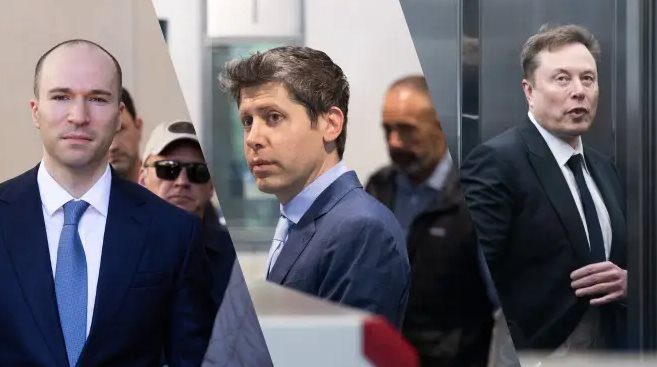
After a few minutes of heated debate, Musk rejected the proposal. “He jumped up and paced around the table angrily,” Brockman recalled. “I really thought he was going to attack me.”
According to the testimony, Musk then snatched the Tesla painting, declared he would stop funding the nonprofit if Brockman and Sutskever did not leave, and then stormed out of the meeting room.
However, that evening, Shivon Zilis, considered Musk’s “right-hand man,” called both of them to say that “it’s not over yet.” According to Brockman, discussions about the future continued at that time, in which they remained involved.
The story of tense negotiations arose as Brockman concluded his testimony on Tuesday. According to OpenAI, the confrontation at Musk’s residence reflects a series of erratic behaviors that the company believes undermine the billionaire’s argument in the current lawsuit.
Musk alleges that approximately $38 million he funded for OpenAI was “misappropriated” by Brockman and other leaders to transform the original non-profit organization into an $852 billion for-profit company, the entity behind ChatGPT and Codex.
Meanwhile, Brockman, Sam Altman, and OpenAI deny all charges. The jury is expected to begin deliberations as early as next week.
Following the hearing, OpenAI’s lawyer William Savitt said that Brockman had once greatly admired Musk’s business acumen, but gradually realized that his desire for control was “too extreme and worrying.”
Conversely, Musk’s lawyer, Marc Toberoff, argued that the questionable aspect lay in Brockman’s motives for “power sharing,” especially since his financial ambitions had already been questioned in court.
“Elon once called ChatGPT stupid.”
Brockman also recounted another story to explain why he believed Musk was not suited to run an AI company.
He recalled the time researcher Alec Radford demonstrated a rudimentary version of the AI chatbot to Musk. After a few unsatisfactory responses, Musk repeatedly criticized it, saying, “This system is so stupid, even a child online could do it better.”
According to Brockman, Radford was “completely broken” and so demoralized that he almost gave up on the field of AI. Brockman and Sutskever spent a considerable amount of time helping him regain his confidence.
According to Brockman, Musk’s failure to see the potential of that early technology, which later became the foundation for ChatGPT, was a sign that he was unfit to lead OpenAI.
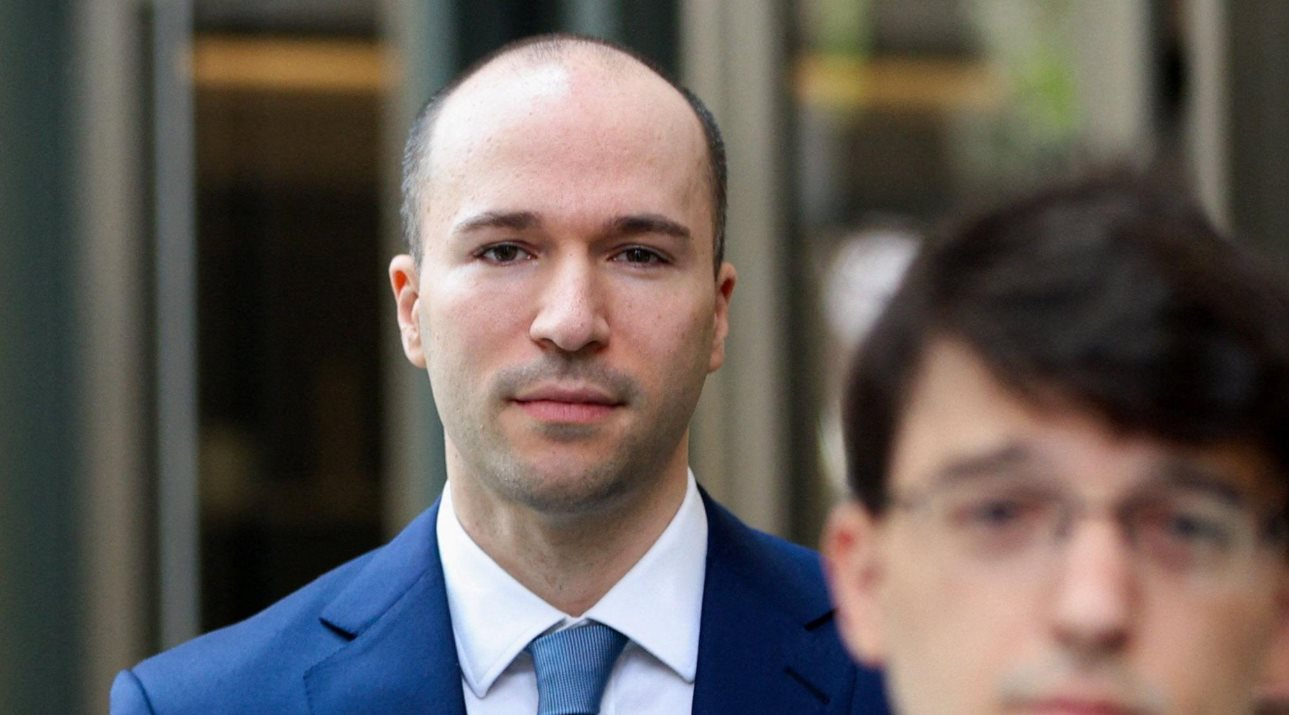
“He needs to have a bit of imagination,” Brockman said in court. “But Elon hasn’t shown that.”
Brockman said that he, Sutskever, and Altman had considered voting to remove Musk from the OpenAI board of directors when negotiations dragged on for months without reaching a conclusion.
They continued to meet at Musk’s mansion to discuss other fundraising options. Although everyone knew what not to do, almost no one could agree on the next course of action.
Ultimately, Brockman and Sutskever felt that removing Musk was “wrong.” Shortly after, Musk voluntarily left OpenAI, believing the company was heading towards “certain failure,” according to an email he sent in early 2018.
In the years that followed, Shivon Zilis, then an advisor to both OpenAI and Musk, regularly updated the billionaire on OpenAI’s progress. Brockman described her as “Elon’s representative.”
But then Zilis herself became the center of controversy. She joined the OpenAI board of directors in 2020 and gave birth to twins for Musk in 2021. Brockman recounted that he initially only knew about Zilis having children, and that Musk was the father of the two children, which he only discovered after reading the news.
During questioning, Zilis stated that the birth occurred through IVF and was “not at all emotionally driven by Elon.” Some board members wanted to remove her from the board, but Brockman and Sutskever persuaded everyone to keep her on because she helped “calm Musk’s anger toward OpenAI.”
Zilis left the OpenAI board of directors in 2023, after Musk established a rival AI lab.
Battles in the boardroom
This wasn’t the only conflict in the OpenAI meeting room.
Brockman said he had previously advocated for removing or limiting Quora CEO Adam D’Angelo’s role on the board after the platform launched a chatbot to compete with ChatGPT in February 2023. However, D’Angelo remains in his position to this day.
Brockman also confirmed his support for removing AI security researcher Helen Toner from the board. She resigned in 2023 after being involved in the decision to fire Altman, a move that quickly backfired and led to the CEO’s return to power just days later.
Musk’s side of the story is expected to continue to unfold during Wednesday’s hearing, when Shivon Zilis testifies. Musk’s lawyers had previously requested that this part of the testimony not be streamed live due to safety concerns for her and their four children.
However, federal judge Yvonne Gonzalez Rogers ruled that there was no “specific threat serious enough” to warrant cutting off the live television broadcast of the trial.
News
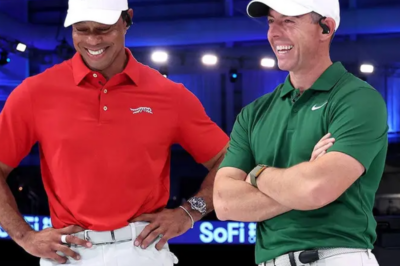
Rory McIlroy is on track to match Tiger Woods’ total career earnings on the PGA Tour, but he still lags far behind the 15-time major champion in terms of net worth.
Rory McIlroy closes in on Tiger Woods’ staggering net worth after $4.5M boost Rory McIlroy is closing in on Tiger…
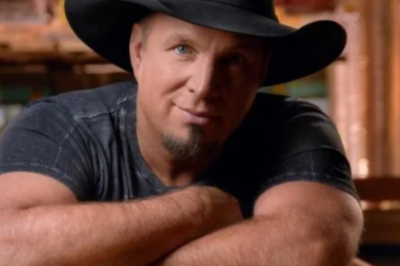
Garth Brooks is making every effort to expedite the “honor” lawsuit from 2024, but the court… has refused.
Court Refuses To Expedite Appeal In Garth Brooks Sexual Assault Lawsuit Chris Kleponis/ZUMA Press Wire via Alamy Not gonna be…
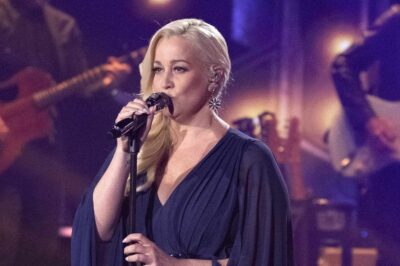
Kellie Pickler shared her emotional thoughts about her “full” return to ‘American Idol’ after the death of her husband.
Country Star Shares Emotional Thoughts on “Full Circle” Return to ‘American Idol’ After Husband’s Death On Monday, Kellie Pickler found…
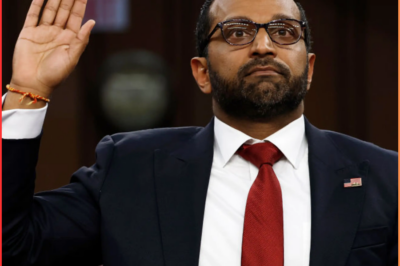
FBI Director Kash Patel revealed federal agents successfully disrupted four major terrorist plots over the holiday season, but warned that despite these wins, the constant pressure to “not miss anything” keeps him “up at night.”
Kash Patel tells Sean Hannity the pressure to ‘not miss anything’ keeps him ‘up at night’ Speaking on the “Hang Out…
Carrie Underwood commented on the rise of online hate: “Since when do you think you have the right to act like a judge, making a mountain out of a molehill?”
“It’s No Longer Water Cooler Chats” @carrieunderwood Carrie Underwood isn’t the biggest fan of the negative, internet discourse. The world wide…
Behind every star is a mother’s heart: A moment that brought tears to Carrie Underwood’s eyes.
The Story Behind the Tears of Carrie Underwood’s Mother. Carrie Underwood It’s a tearjerker… and it’s the perfect song to…
End of content
No more pages to load