Tyler Robinson, the man accused of killing Charlie Kirk, pushes to ban court cameras claiming biased coverage, attorneys say
Tyler Robinson, accused of fatally shooting Charlie Kirk, appears during a hearing in Fourth District Court on December 11, 2025 in Provo, Utah. Prosecutors have charged Tyler Robinson with aggravated murder and plan to seek the death penalty.© Rick Egan/Getty Images
The man accused of killing Charlie Kirk wants a judge to ban cameras from the courtroom and says live broadcasts of the prosecution are violating his right to a fair trial.
Tyler Robinson is due in court Friday as his attorneys press their claims that biased coverage is tainting potential jurors in his aggravated murder case.
Among numerous examples cited was a New York Post story they say suggested Robinson confessed to Kirk’s killing during a courtroom conversation on December 11, in his first appearance after being charged. The conversation with his attorneys was inaudible, but the story cited a “lip reading analysis” to support its claim that Robinson said, “I think about the shooting daily.”
“The predominant purpose being served by the live stream coverage has not been the educational reporting of the court proceedings, but rather advertising profit, sensationalism, political agendas, and, most prominently, the vilification of Mr. Robinson,” his attorneys wrote in their request to bar cameras.
Prosecutors intend to seek the death penalty for Robinson should he be convicted in the September 10 shooting of the conservative activist, who was addressing a crowd of thousands on the Utah Valley University campus in Orem.
Robinson, who turned 23 on Thursday, has not yet entered a plea.
Media sensationalism around the case has cut both ways. In a March 30 headline, the U.K.-based Daily Mail reported the bullet that killed Kirk “did NOT match” a rifle allegedly used by Robinson. The story was based on an inconclusive, preliminary finding by ballistics experts and led to speculation about Robinson’s possible exoneration. The FBI is running additional tests, according to court documents.
Media organizations, prosecutors and Kirk’s widow, Erika Kirk, want the court to allow cameras. They argue the best way to guard against the misinformation and conspiracy theories that concern Robinson’s defense team is to make the process transparent.
Yet livestreaming by media outlets already has tested the patience of Judge Tony Graf.
During the December hearing, Graf briefly stopped the livestream and ordered the camera relocated after it showed the defendant’s shackles in violation of a courtroom decorum order.
Then, a January hearing was interrupted when Robinson’s attorneys said close-up shots of Robinson being livestreamed by a local television station could again lead to claims based on lip reading. That, too, was a violation of Graf’s decorum order. The judge ordered the camera operator not to film Robinson for the remainder of the hearing.
Mike Judd, a lawyer for a coalition of media organizations including The Associated Press that have been fighting to preserve access, said Graf so far has focused on whether his rules inside the courtroom are being followed, not what the media is saying outside of court.
“The court can do all of that in order to try to control what gets fed into that media ecosystem,” Judd said. “You reduce the likelihood of somebody publishing things that you think may be of potentially biasing concern later on.”
Policies on cameras and livestreaming vary among states, and many including Utah give judges discretion over whether to allow cameras. Cameras are generally prohibited in federal courts.
“There’s Supreme Court precedent that says courts generally need to be open to the public, but that’s not an absolute right,” said University of Utah law professor Teneille Brown. “Even if they allow public access, that does not equal a right to broadcast or record.”
Robinson’s attorneys are seeking to delay his May preliminary hearing, when prosecutors must show that they have enough evidence to proceed to a trial.
Prosecutors have said DNA consistent with Robinson’s was found on the trigger of the rifle, the fired cartridge casing, two unfired cartridges and a towel used to wrap the rifle. Defense attorneys note that forensic reports indicate multiple people’s DNA was found on some items, which they say requires a more complex analysis.
Robinson reportedly texted his romantic partner that he targeted Kirk because he “had enough of his hatred,” prosecutors have said.
News
Tiger Woods attended Kai’s graduation ceremony but did not participate in the party.
Kai Trump celebrates high school graduation with famous family, Tiger Woods before intimate dinner party Kai Trump celebrated her high…
The former Jackson 5 member has been ordered by the court to pay more than $6.5 million in restitution for heinous crimes committed in the past.
Jackson 5 Alum Forced To Pay $6.5 Million After Being Accused of Historic Heinous Crime A Jackson 5 alum has…

The girlfriend of the late star Liam Payne was furious after being banned from social media because of… her revealing cleavage.
Late pop star’s girlfriend hits out after bizarre social media ban in heated online rant Kate Cassidy, 26, has hit…

Niall Horan ‘refused’ to attend Harry Styles and Zoë Kravitz’s wedding… and here’s why…
Niall Horan Says He’s Not Going to Harry Styles, Zoë Kravitz’s Wedding Less than a month after Harry Styles and…

Chinese people are ‘both angry and in love’ with Elon Musk.
Despite remaining a “tech idol” for many Chinese, Elon Musk is facing increasing pressure from rivals in the country of…
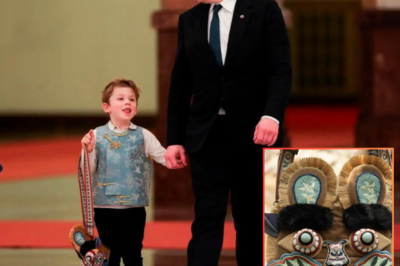
Elon Musk’s 5-year-old son causes tiger-head bags in China to sell out
Elon Musk’s 5-year-old son causes tiger-head bags in China to sell out; what does the manufacturer have to say? Appearing…
End of content
No more pages to load