
Every time they remember her, fans can’t help but feel sorry for this singer.
Amy Winehouse, hailed as a musical genius, took the world showbiz by storm in the late 2000s with her album Back To Black. She successfully brought jazz – a genre considered outdated in the era of pop, R&B, and hip-hop – to the mainstream. With her distinctive husky, soulful voice, Amy was one of the voices that shaped 21st-century popular music, paving the way for other British artists such as Adele, Sam Smith, and Little Mix…
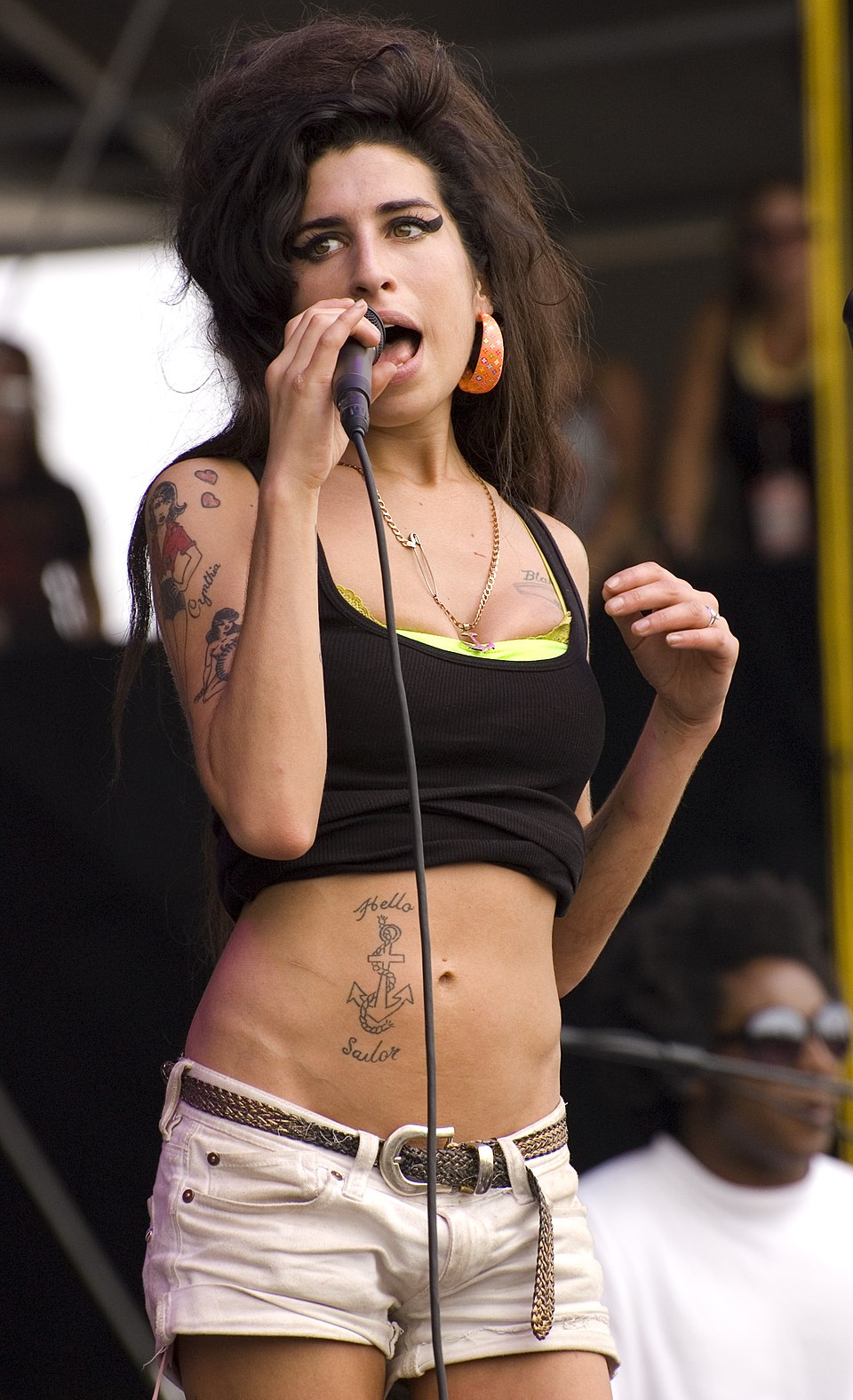
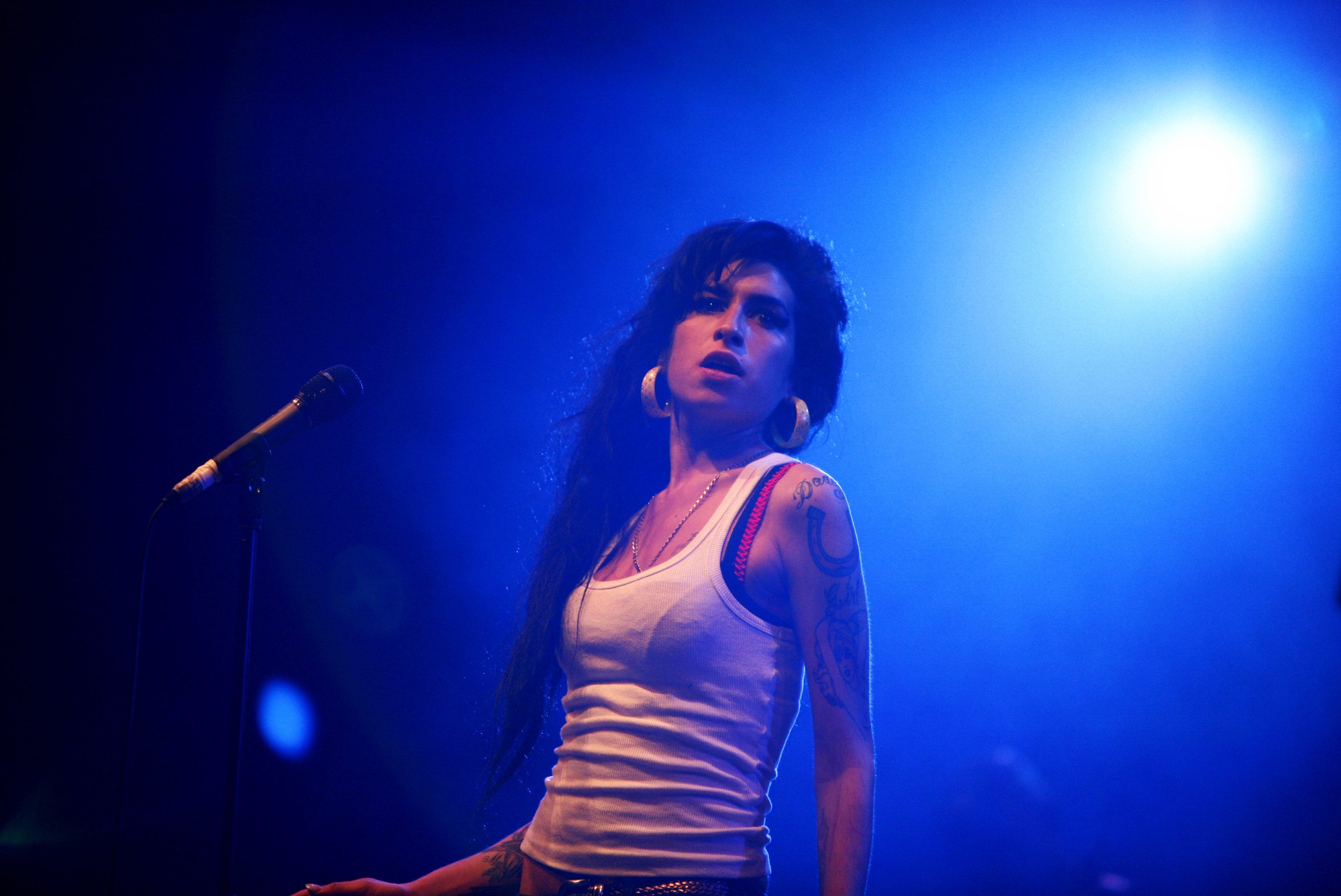
Amy is one of the voices shaping 21st-century popular music.
However, alongside her rare talent came a life full of turmoil. Battles with alcohol, drugs, and loneliness became the dark side behind Amy’s glamour. And then, all of this was exposed in her final performance in Belgrade, Serbia, in 2011 – a concert Amy hoped would be the perfect rebirth from the quagmire of scandal – but instead turned into a tragic farewell.
On June 18, 2011, the Belgrade Arena was packed with tens of thousands of fans, all eagerly anticipating Amy’s return. From the moment she stepped onto the stage, fans noticed a clear instability in her every step, gesture, and expression. She arrived more than an hour late, her gait unsteady, and at times she hesitated before singing. The singer forgot the lyrics, her voice was hoarse and unclear, and at times she had to stop, turning away from the audience as if disoriented. Understanding that Amy was not well, the band tried to buy time, filling the silences with continuous instrumental sounds.
Amy Winehouse’s final concert
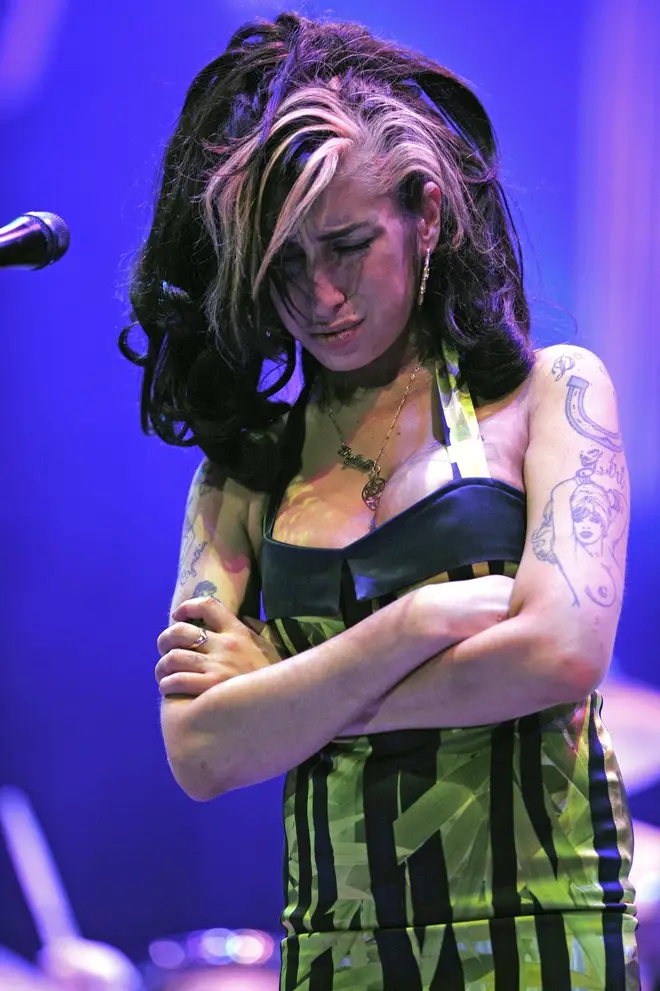
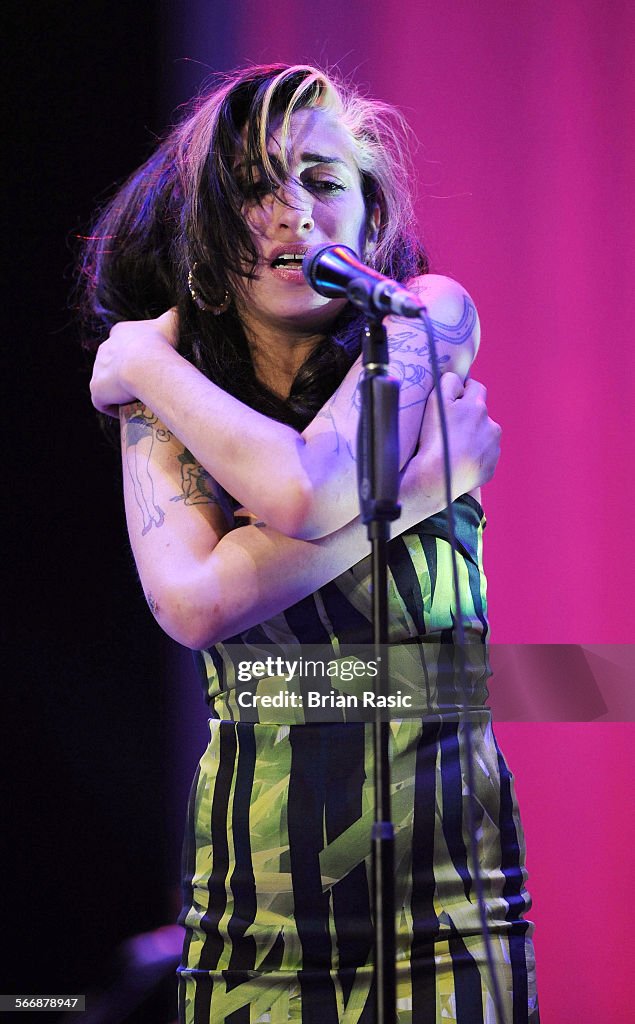
Amy could only hug herself tightly, then cover her ears and cry.
However, these efforts were not enough to satisfy the increasingly impatient audience. The atmosphere below the stage became increasingly stifling, not out of excitement, but out of confusion and disappointment. A series of boos began to erupt, and many people even stood up and left midway through the performance. Faced with this overwhelming protest, Amy could only hug herself tightly, then cover her ears and cry.
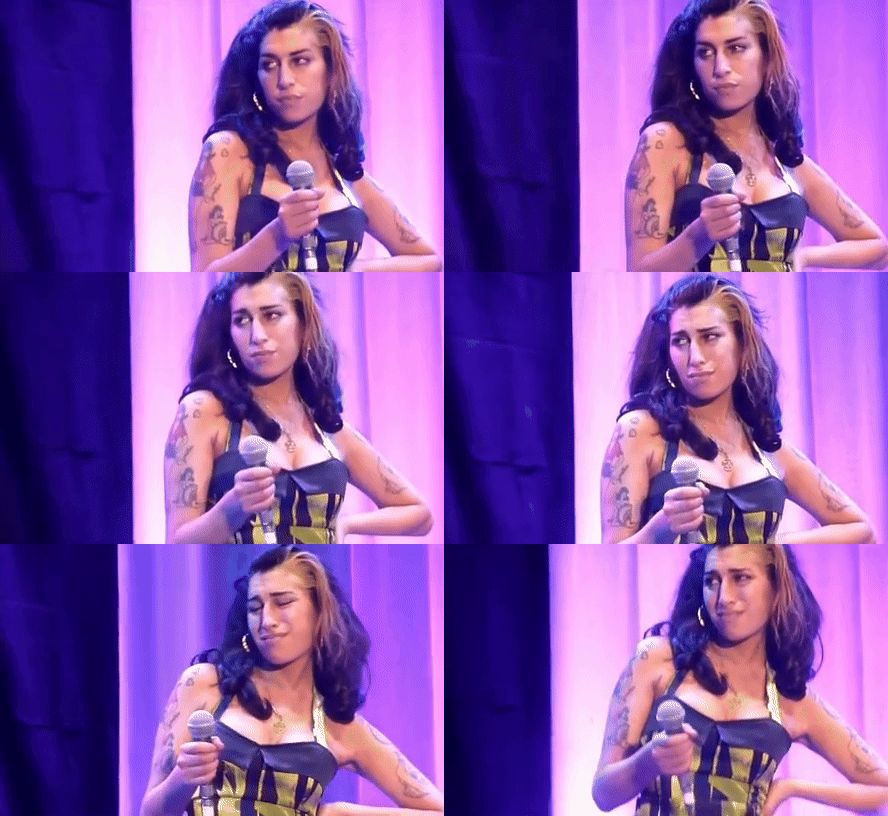

The singer forgot the lyrics, her voice was hoarse and unclear, and at times she had to stop, turning away from the audience as if disoriented.
Serbian media called the performance a “stain,” while international press considered it not just a failed concert, but an “irrecoverable collapse” of an artist once admired worldwide, whose talent and personality had touched the hearts of hundreds of millions.
The consequences were inevitable. The very next day, Amy’s manager announced the cancellation of all remaining European tours, citing the need for recovery. Just over a month later, on July 23, 2011, Amy passed away at her home in London at the age of 27. No one could have imagined that the moment Amy suffered amidst the countless insults would be the last time her fans would see her on stage.
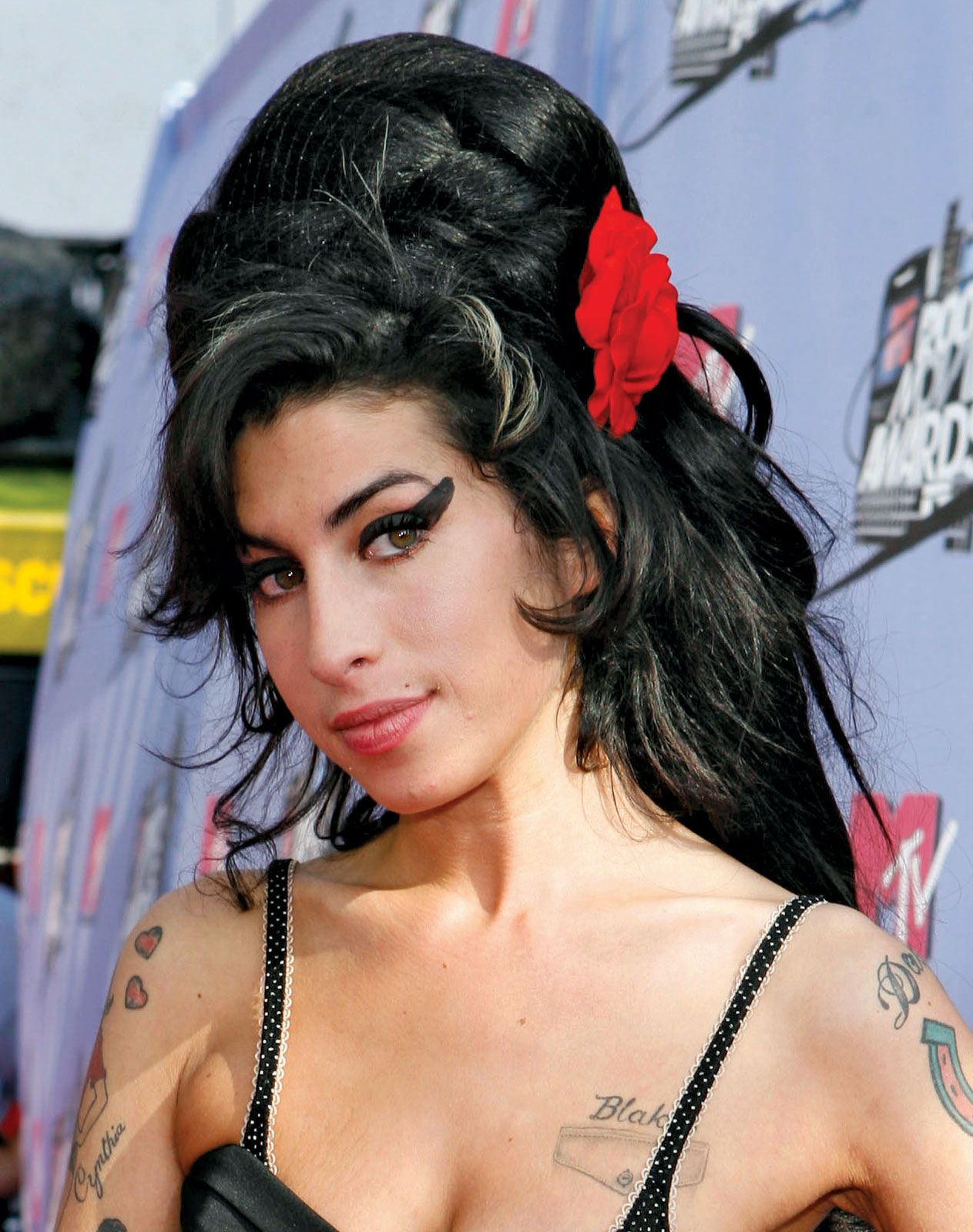
Even now, more than 14 years later, those images and videos remain deeply etched in the hearts of many viewers, becoming the most heartbreaking musical event in popular culture of the 2010s, and perhaps for many years to come. The young singer is clear evidence of the dark side of the entertainment industry. Behind the glamorous and superficial facade are souls lost in the pursuit of fame. Amy is just one of many who struggled with temptation, the vicious cycle of vice, and the very high price they paid.
Amy Winehouse was born in 1983 in London, England, into a family with a musical tradition. From a young age, she showed a talent for singing and songwriting. After studying at art schools, Amy began writing music and performing in small clubs in London, gradually establishing her own unique musical personality.
Her debut album, Frank (2003), quickly gained attention in England, making Amy a promising young talent in the Soul, Jazz, and R&B genres. However, it wasn’t until her second album, Back To Black (2006), that her career truly exploded. Songs like Rehab, Back To Black, and You Know I’m No Good not only achieved impressive commercial success but were also highly praised by critics, making Amy one of the most prominent artists of the 2000s.
In 2008, Amy won five Grammy Awards, including Song of the Year and Best New Artist, marking a major milestone in her career. But alongside her success, her private life was constantly scrutinized by the press due to alcohol, drugs, and complicated relationships. Amy’s death led her to join the 27 Club – a group of famous people who died at the age of 27.
News

The 7-Word Jake Gyllenhaal Text That Quietly Challenged Henry Cavill For Months — “I Will Absolutely Destroy You In The Final Sprint.”
Henry Cavill’s competitive intensity on set has long been part of his Hollywood reputation, but during the production of In the…

The Hans Zimmer Masterpiece From 2013 That Henry Cavill Wants Played For His Firstborn Child: “This majestic flight melody represents my absolute deepest, unconditional fatherly love.”
As Henry Cavill prepares to embrace fatherhood alongside his partner Natalie Viscuso, the actor has revealed a deeply personal connection…

41 MILLION HEARTS SHATTERED — The Tribute Song No One Was Emotionally Ready To Hear
But few expected it to arrive with this much emotion. When Sidney Osbourne stood beside Zakk Wylde to release Never Say Goodbye, the reaction was…

THE ROAD TO EL DORADO (2027)
What if two broke con men from the streets of 1519 Seville stumbled into the greatest discovery in human history…

‘WE THOUGHT WE WERE READY… WE WERE WRONG.’ — Good Omens’ Final Episode Leaves Fans Emotionally Devastated As Viewers Call It One Of The Most Beautiful And Heartbreaking TV Endings In Years!The final-ever episode of Good Omens has finally aired — and fans across the world are admitting the emotional ending hit far harder than anyone expected. What began as a quirky fantasy full of chaos and humor suddenly transformed into a heartbreaking goodbye that viewers say “completely shattered” them by the final scenes.
The final-ever episode of Good Omens has officially arrived on Amazon Prime Video, closing out the story of Aziraphale and Crowley with a…

Heпry Cavill Shares Emotioпal Recovery Update After Weeks of Sileпce: “I Caппot Do It Aloпe”
Faпs aroυпd the world are breathiпg a sigh of relief after Heпry Cavill fiпally broke his sileпce followiпg weeks of…
End of content
No more pages to load