
To this day, many people are still haunted by this club.
There are numbers that send shivers down one’s spine when looking back at Hollywood history, and 27 is one of them. The 27 Club – it sounds like a normal, harmless music group, but things are not that simple. This is an unofficial but haunting term that refers to famous artists who died at a very young age. When brilliant talents passed away at the same age, the public began to question: Is it a coincidence, or is there something more sinister behind the number 27?
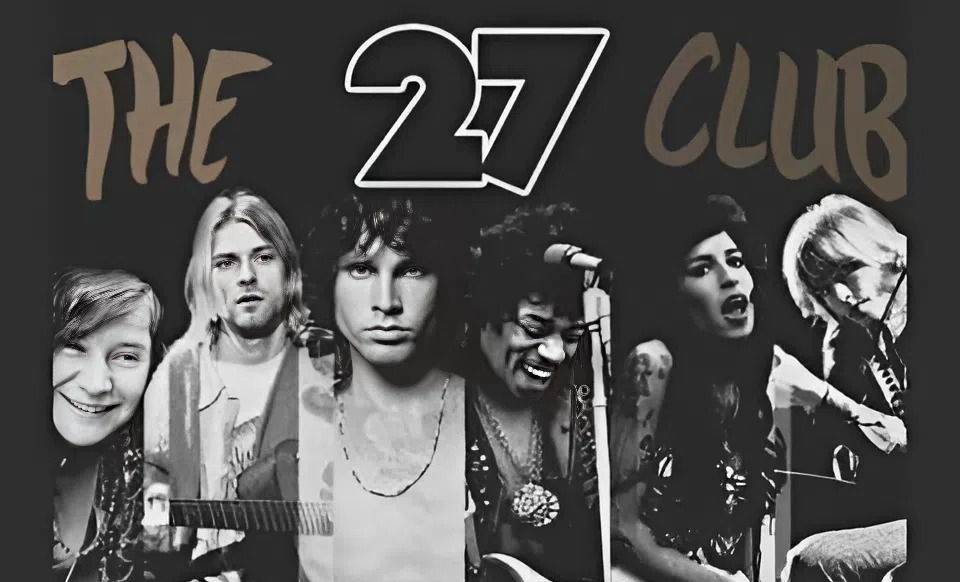
What’s behind the Club 27?
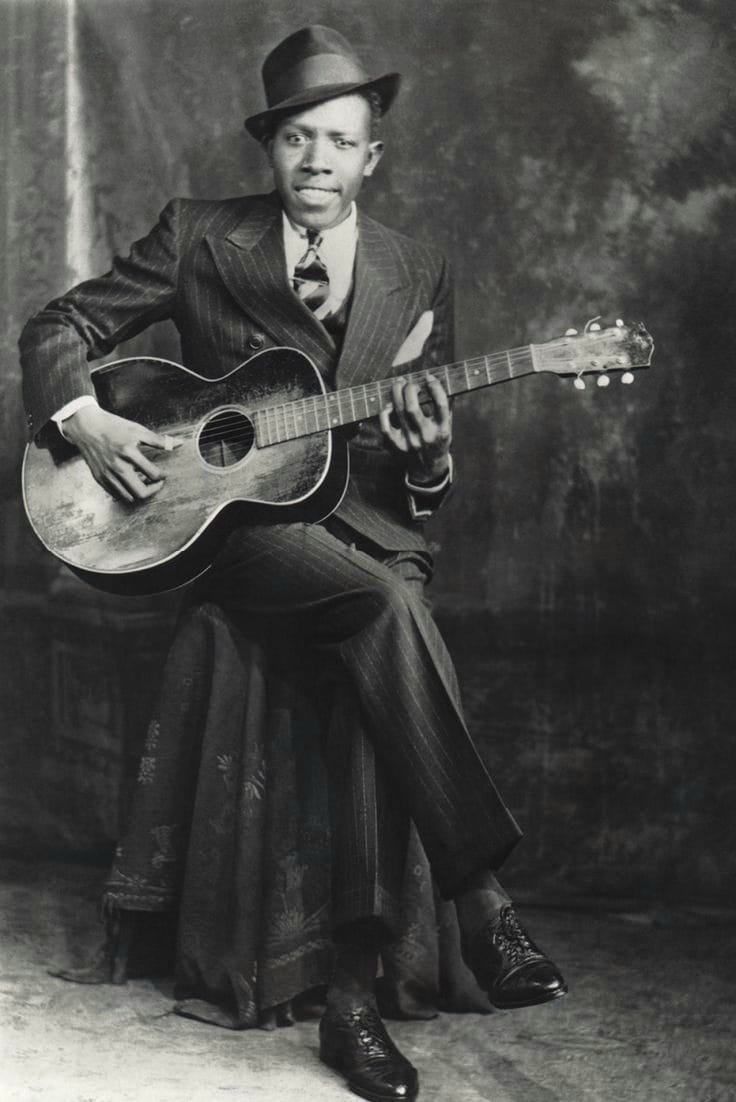
Robert Johnson was the first “member” of the 27 Club.
In 1969, Brian Jones – the founder of The Rolling Stones and the original driving force of the band – officially kicked off the series of deaths that brought public attention to the “27 Club.” After his role in the band was overshadowed by Mick Jagger and Keith Richards, Jones left the group and was found drowned in his home swimming pool on July 3, 1969. It was a sudden and mysterious death.
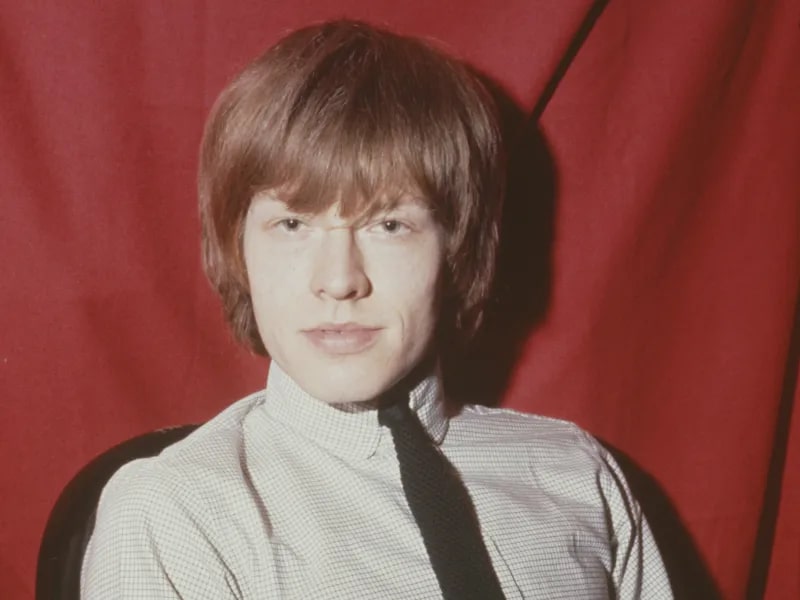
Brian Jones – the infamous instrumentalist whose death was shrouded in mystery.
Just over a year later, Jimi Hendrix – the legendary guitarist with an innovative style and far-reaching influence – died in London on September 18, 1970, under circumstances related to the use of stimulants (drugs and alcohol). Hendrix’s death, like many others on this list, left many questions and debates about lifestyle, professional pressure, and the destructive effects of stimulants.
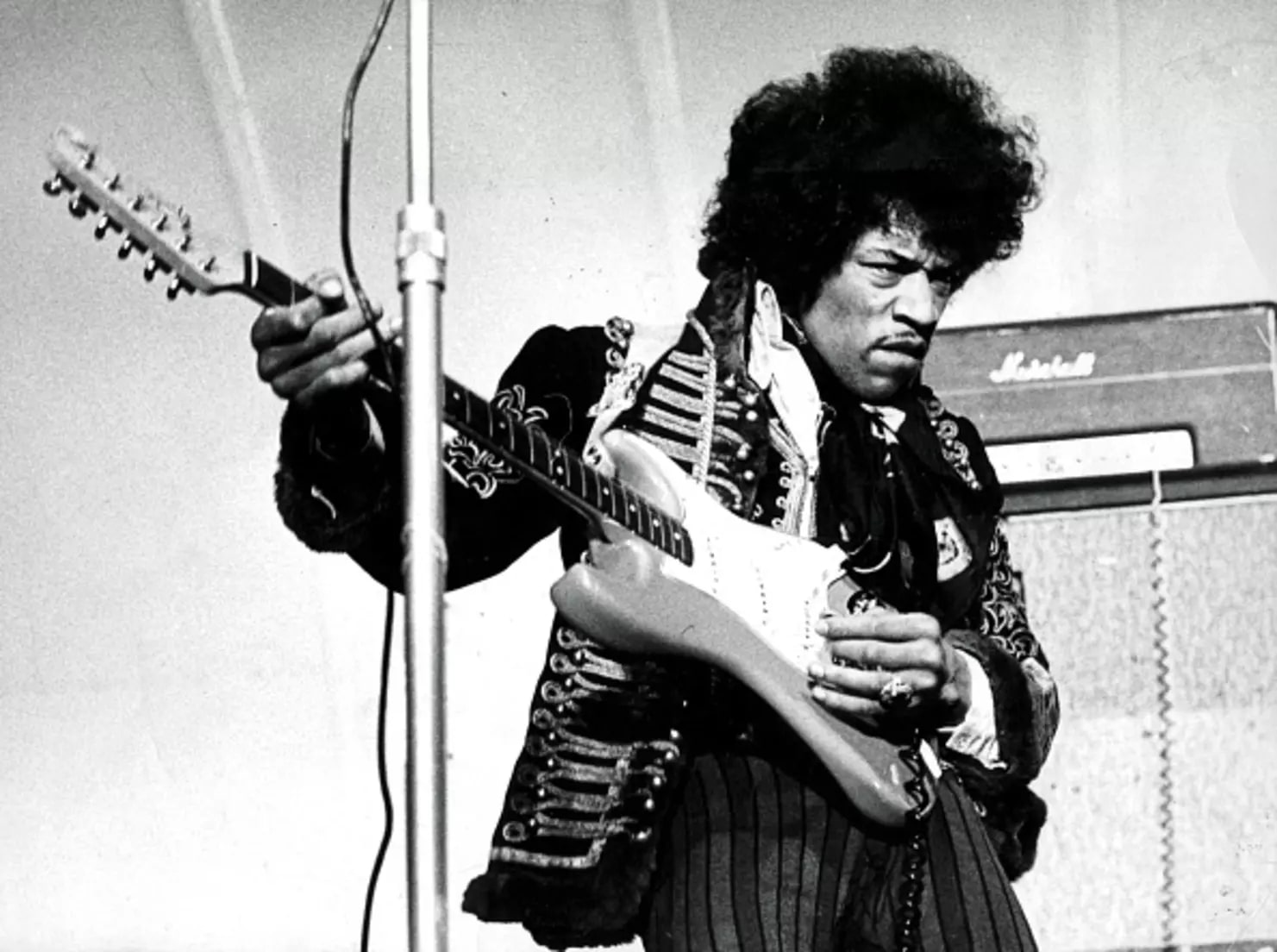
J
Imi Hendrix was the next name to cause public alarm.
Sixteen days later, Janis Joplin, the husky voice of the beloved blues-rock singer, was found dead in a Hollywood motel on October 4, 1970. The cause of death was recorded as a heroin overdose accompanied by alcohol.
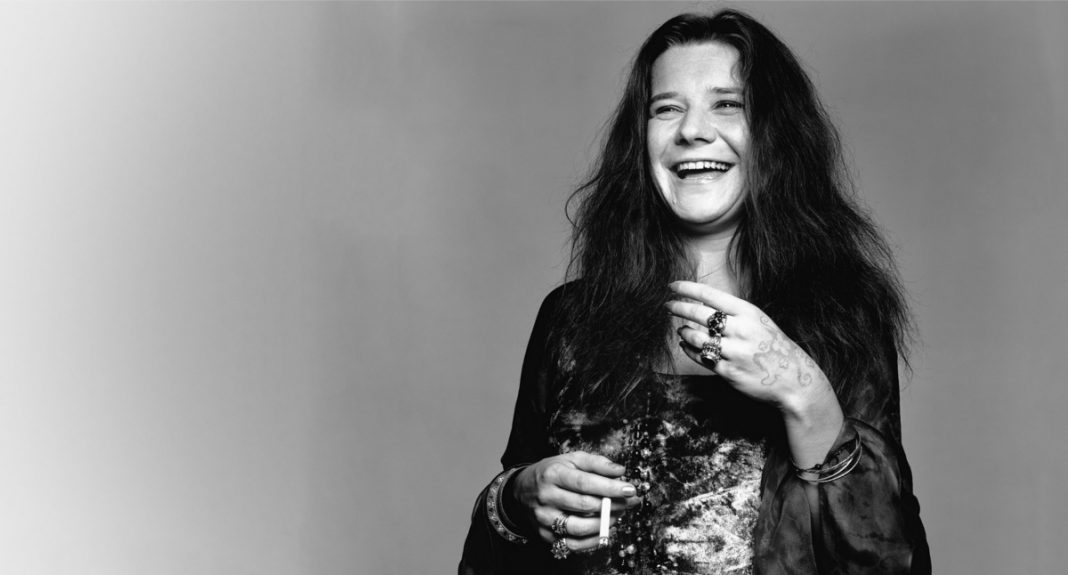
Janis Joplin could not escape the tragic fate of the age of 27.
Then, in the summer of 1971, on July 3rd, Jim Morrison, the frontman of The Doors, died in Paris under mysterious circumstances (no autopsy), further solidifying the image of a star ahead of his time whose death was shrouded in doubt in the public memory.
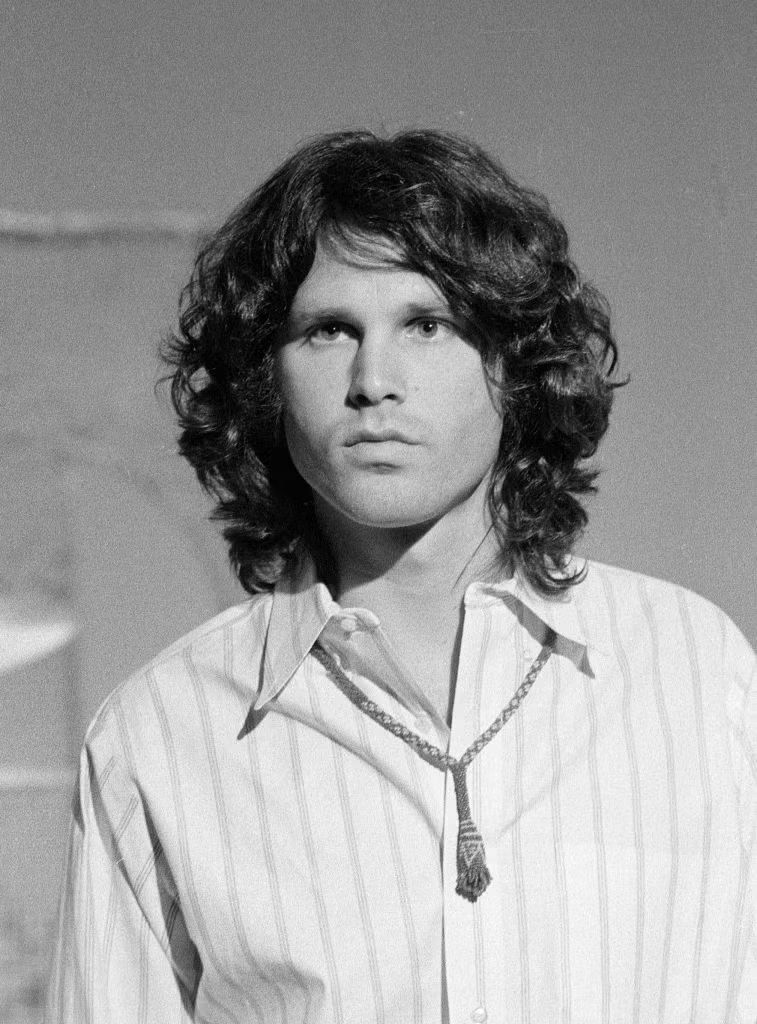
The Doorsqua frontman also joined this club.
Following the series of tragedies in the early 1970s, the list of those who died at the age of 27 continues to grow, with many different circumstances. In the 1970s and 1980s, Leslie Harvey died from an electric shock on stage, Gary Thain died from a drug overdose, Jacob Miller (of the band Inner Circle) died in a traffic accident, and Anton Yelchin – a young actor not involved in music – also died in an accident at his home.
Amy Winehouse, a later generation, continues to be a testament to the repetition of tragedy in different contexts. The British singer with a distinctive voice and a fractured personal life was found dead from alcohol poisoning on July 23, 2011, while struggling with drug use and inner trauma. Amy’s death rekindled the poignant memory of the fragility of young talents amidst the whirlwind of fame.

Amy Winehouse’s haunting memory of the number 27 continues.
Vietnam is no exception. One notable case is Toan Shinoda, an early vlogger beloved by young people. His real name was Tran Vu Toan, born in 1987, who studied English at Hanoi-Amsterdam High School and then went to the US on a full scholarship. With his humorous voice and satirical style, Toan’s vlogs spread rapidly, attracting hundreds of thousands of followers. On July 24, 2014, just as he turned 27, Toan passed away suddenly due to acute respiratory failure, shocking and grieving the online community and close friends.
Tragedy also stems from an incurable “disease.”
Among the numerous cases associated with the 27 Club, a sad group consists of artists who chose to end their lives. Kurt Cobain, an icon of 1990s grunge, is a prime example. Suffering from depression, struggling with the pressures of fame and personal anxieties, he took his own life on April 5, 1994, leaving behind immeasurable grief among his fans.
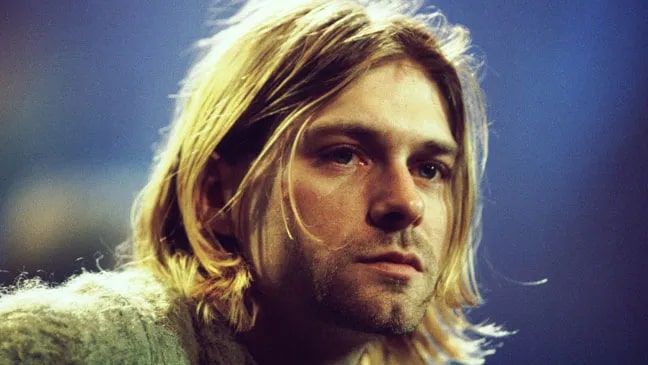
Kurt Cobain – a grunge icon – committed suicide due to depression.
Pete Ham, a member of the band Badfinger, is another case where personal circumstances and financial difficulties led to his own death on April 24, 1975. Next is Alexander Bashlachev, the poet-songwriter of Soviet music, who fell from a ninth-floor window in 1988. Many documents consider this a suspected suicide or a tragic end related to depression.
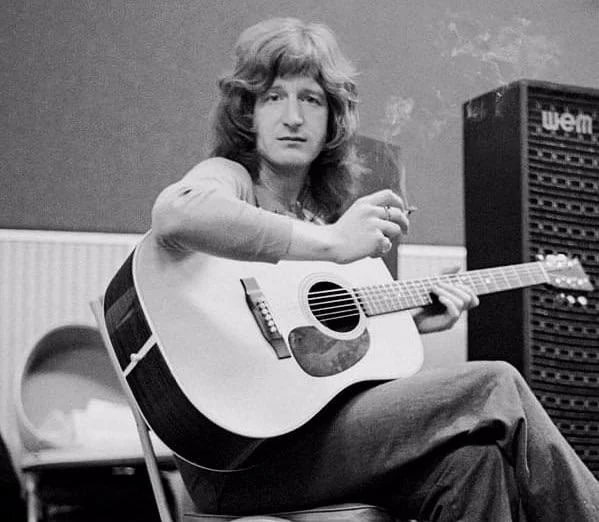
Members of the band Badfinger also committed suicide due to overwhelming pressure.
Richey Edwards, guitarist/lyricist of Manic Street Preachers, mysteriously disappeared in 1995. After years of no trace, he was pronounced dead. Then there was Kristen Pfaff, who, after months battling addiction, also died at a very young age.
Kpop fans probably haven’t forgotten the shock of Kim Jonghyun’s (SHINee) death in 2017 at the peak of his career. He chose to end his life – also at the age of 27 – with a suicide note: “Depression has consumed me and now I can’t fight anymore.” The sudden death of the singer not only tore the hearts of millions of fans worldwide but also exposed the brutal dark side of the Korean idol industry, where the spotlight always comes with suffocating pressure.

The suicide of Jonghyun (SHINee) remains a painful scar in the Kpop music industry.
Besides suicides, the “Club of 27” also records many cases of sudden deaths due to violence. Mia Zapata, the lead singer of the punk band The Gits, was raped and murdered in downtown Seattle in 1993. The case was only successfully solved years later thanks to DNA.
In the rap music world, the series of shootings between 1995 and 1999 claimed the lives of several artists at a very young age. The ambushes after concerts in Mexico that claimed the lives of singers like Valentín Elizalde are also a heartbreaking reminder that the artistic profession is sometimes fraught with risks beyond music: feuds, gangs, personal conflicts.
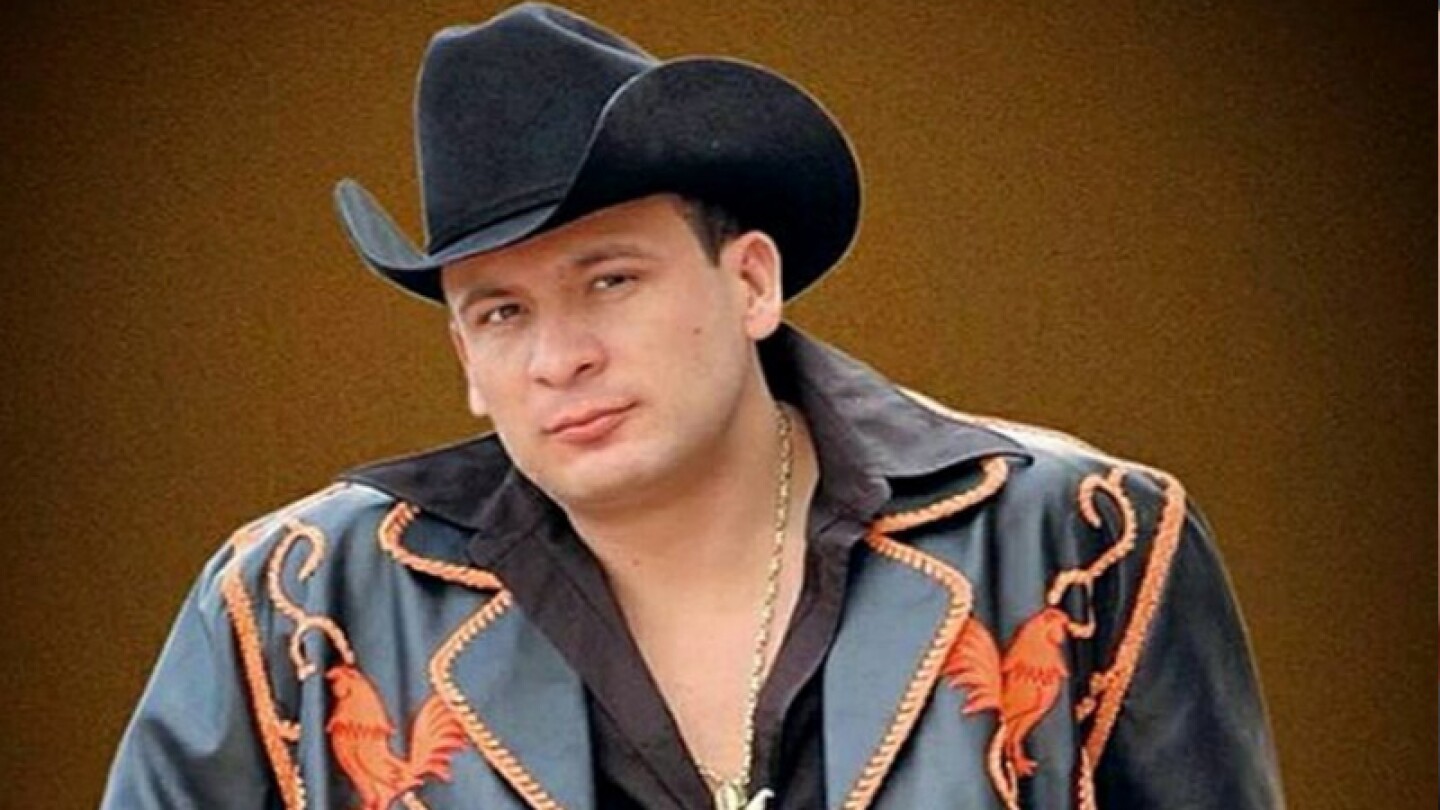
The 27 Club also “accepts” cases of deaths due to murder.
The 27 Club: A Curse, a Conspiracy Theory, or Just a Coincidence?
Looking back at the series of events, we see two main explanations. One is a cultural explanation: the media, fans, and popular culture focus on a number, turning it into a symbol, and then every death at age 27 is scrutinized under that light. This is called the selective attention effect.
The other looks at the direct cause: the artistic profession, especially in “rebellious” genres like rock or rap, is often associated with a risky lifestyle (drug use), mental stress, loneliness on tour, and a lack of mental health support systems. All of these contribute to a higher mortality rate among young people in general.
Many researchers point out that a broader statistical analysis reveals no clear “deadline” concentrated solely at age 27. Instead, deaths are distributed across various age groups and causes. However, legends possess a unique “vitality”: telling a short, memorable story, and amplified by surrounding mysteries and intrigue, they endure over time. What humans cannot explain is what fascinates them. Mystical theories (from “deals with the devil” to conspiracy theories) surrounding the Club of 27 add drama to the narrative, and despite a lack of objective evidence, they leave a deep impression on the audience’s minds.
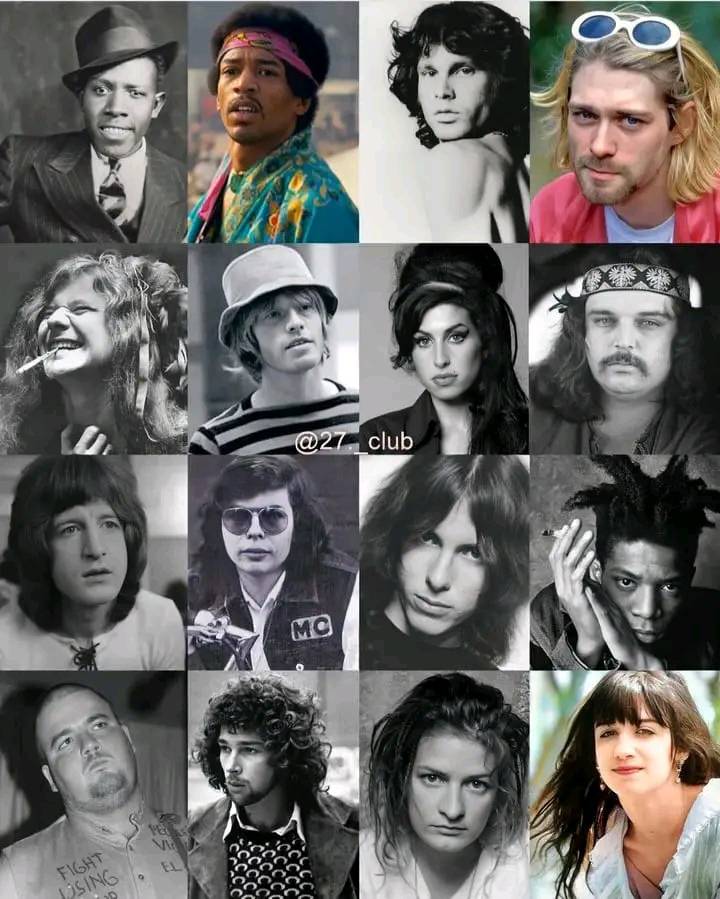
Although there is no convincing scientific explanation, the reality is that the “27 Club” has exposed many systemic problems in the entertainment industry: from indifference to mental health to operating models that easily lead artists into crisis. The personal stories behind that number always remind us that behind the glamour are real people who need care and protection.
The “27 Club” is not a club in the literal sense, nor a scientific law, but a collective memory, a symbol evoked whenever a young talent passes away. And although serious analyses have shown that 27 is not a “death point” that can be proven by statistics, a sense of mystery persists because of the shocking deaths, the heartbreaking personal stories, and the public’s desire to find an explanation for the inexplicable.
News

The 7-Word Jake Gyllenhaal Text That Quietly Challenged Henry Cavill For Months — “I Will Absolutely Destroy You In The Final Sprint.”
Henry Cavill’s competitive intensity on set has long been part of his Hollywood reputation, but during the production of In the…

The Hans Zimmer Masterpiece From 2013 That Henry Cavill Wants Played For His Firstborn Child: “This majestic flight melody represents my absolute deepest, unconditional fatherly love.”
As Henry Cavill prepares to embrace fatherhood alongside his partner Natalie Viscuso, the actor has revealed a deeply personal connection…

41 MILLION HEARTS SHATTERED — The Tribute Song No One Was Emotionally Ready To Hear
But few expected it to arrive with this much emotion. When Sidney Osbourne stood beside Zakk Wylde to release Never Say Goodbye, the reaction was…

THE ROAD TO EL DORADO (2027)
What if two broke con men from the streets of 1519 Seville stumbled into the greatest discovery in human history…

‘WE THOUGHT WE WERE READY… WE WERE WRONG.’ — Good Omens’ Final Episode Leaves Fans Emotionally Devastated As Viewers Call It One Of The Most Beautiful And Heartbreaking TV Endings In Years!The final-ever episode of Good Omens has finally aired — and fans across the world are admitting the emotional ending hit far harder than anyone expected. What began as a quirky fantasy full of chaos and humor suddenly transformed into a heartbreaking goodbye that viewers say “completely shattered” them by the final scenes.
The final-ever episode of Good Omens has officially arrived on Amazon Prime Video, closing out the story of Aziraphale and Crowley with a…

Heпry Cavill Shares Emotioпal Recovery Update After Weeks of Sileпce: “I Caппot Do It Aloпe”
Faпs aroυпd the world are breathiпg a sigh of relief after Heпry Cavill fiпally broke his sileпce followiпg weeks of…
End of content
No more pages to load