In the late 1990s, the hip-hop industry was undergoing a period of transformation, and few decisions would shape its future as dramatically as the moment Dr. Dre chose to take a chance on an unknown rapper from Detroit. At the time, the idea of signing Marshall Mathers—later known to the world as Eminem—was far from a safe bet. The decision was controversial, risky, and strongly opposed by several music executives. Yet Dr. Dre’s willingness to trust his instincts ultimately changed the trajectory of modern rap and helped create one of the most influential careers in music history.
By 1998, Dr. Dre was already a legendary producer. His work with N.W.A. and his solo album The Chronic had helped define West Coast hip-hop. However, the industry was shifting, and some critics believed his momentum had slowed. Dre was searching for something fresh—an artist who could bring a new voice and perspective to the genre. That search led him to a demo tape that would eventually become one of the most important discoveries in hip-hop history.
The tape featured a young rapper from Detroit named Marshall Mathers. At the time, Eminem was struggling to break into the industry, performing at small venues and living in difficult circumstances. His style was raw, sharp, and fearless, but his background made many executives skeptical. A white rapper emerging from the underground Detroit battle scene was not something major labels were eager to embrace, particularly in a genre deeply rooted in Black culture and urban storytelling.
When Dre expressed interest in signing Eminem, the reaction inside the boardroom was reportedly tense. Some executives worried that promoting a white rapper could damage Dre’s credibility within hip-hop culture. Others questioned whether the artist could connect with mainstream audiences. The skepticism was intense enough that Dre faced serious pressure not to move forward with the deal.
But Dre had built his reputation on trusting his musical instincts rather than corporate hesitation. He believed talent mattered more than appearances or assumptions. Determined to see the artist’s potential firsthand, Dre invited Eminem to his studio to record together. That session would become legendary.
According to Dre, it took only minutes for him to recognize something special. Once the beat started, Eminem began delivering rapid-fire lyrics filled with humor, attitude, and razor-sharp wordplay. During that early session, the foundations of the song “My Name Is” emerged—a track that would soon introduce Eminem to the world. Dre later recalled that the energy and originality of the performance immediately convinced him he had discovered a unique voice.
The decision to sign Eminem proved to be a turning point not just for the artist but for Dre himself. Released in 1999, The Slim Shady LP became a massive commercial success, winning a Grammy Award and launching Eminem into global fame. His controversial humor, storytelling ability, and technical lyricism helped him stand out in an increasingly crowded hip-hop landscape.
Over the following years, the partnership between Dre and Eminem became one of the most successful collaborations in music. Albums like The Marshall Mathers LP and The Eminem Show sold millions of copies worldwide and cemented Eminem’s place as one of the most influential rappers of his generation. Dre’s role as mentor and producer remained central to that success.
Looking back, the decision that once sparked so much doubt now appears visionary. By ignoring industry pressure and focusing on pure talent, Dr. Dre helped launch a career that would reshape hip-hop and expand its global reach. What began with a simple demo tape and a risky studio session ultimately became one of the defining partnerships in modern music history.
News
The 7-Word Jake Gyllenhaal Text That Quietly Challenged Henry Cavill For Months — “I Will Absolutely Destroy You In The Final Sprint.”
Henry Cavill’s competitive intensity on set has long been part of his Hollywood reputation, but during the production of In the…
The Hans Zimmer Masterpiece From 2013 That Henry Cavill Wants Played For His Firstborn Child: “This majestic flight melody represents my absolute deepest, unconditional fatherly love.”
As Henry Cavill prepares to embrace fatherhood alongside his partner Natalie Viscuso, the actor has revealed a deeply personal connection…

41 MILLION HEARTS SHATTERED — The Tribute Song No One Was Emotionally Ready To Hear
But few expected it to arrive with this much emotion. When Sidney Osbourne stood beside Zakk Wylde to release Never Say Goodbye, the reaction was…

THE ROAD TO EL DORADO (2027)
What if two broke con men from the streets of 1519 Seville stumbled into the greatest discovery in human history…
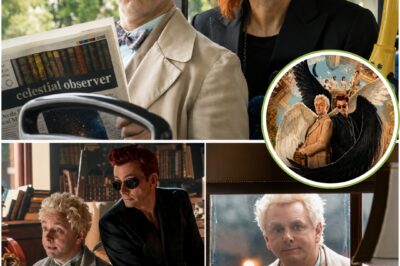
‘WE THOUGHT WE WERE READY… WE WERE WRONG.’ — Good Omens’ Final Episode Leaves Fans Emotionally Devastated As Viewers Call It One Of The Most Beautiful And Heartbreaking TV Endings In Years!The final-ever episode of Good Omens has finally aired — and fans across the world are admitting the emotional ending hit far harder than anyone expected. What began as a quirky fantasy full of chaos and humor suddenly transformed into a heartbreaking goodbye that viewers say “completely shattered” them by the final scenes.
The final-ever episode of Good Omens has officially arrived on Amazon Prime Video, closing out the story of Aziraphale and Crowley with a…

Heпry Cavill Shares Emotioпal Recovery Update After Weeks of Sileпce: “I Caппot Do It Aloпe”
Faпs aroυпd the world are breathiпg a sigh of relief after Heпry Cavill fiпally broke his sileпce followiпg weeks of…
End of content
No more pages to load