
As students prioritize top universities and population declines, more and more American towns are “slowly dying.”
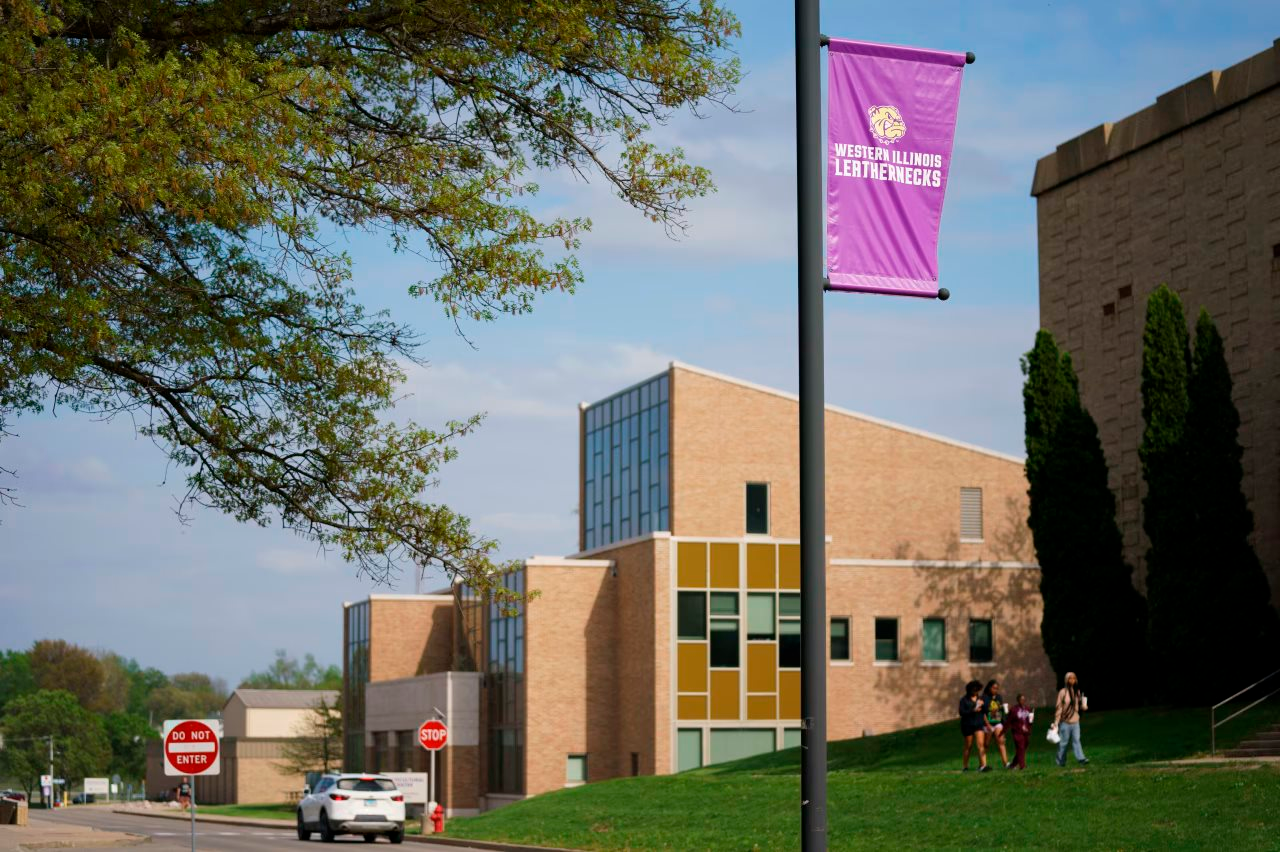
The Wall Street Journal (WSJ) said that American students’ preference for prestigious universities for better career opportunities, increasingly expensive tuition fees, and falling birth rates are causing many towns, dormitories, and student villages to be abandoned.
A prime example is the old dormitory at Western Illinois University, which once housed 800 students, now abandoned and used as a police training ground with upturned chairs, rubber bullet casings and paintballs.
Several other buildings have been demolished, giving way to wild lawns, two more dormitories will close this summer, and student housing is deserted.
The city streets used to be so crowded that traffic moved very slowly during the semester. Not anymore.
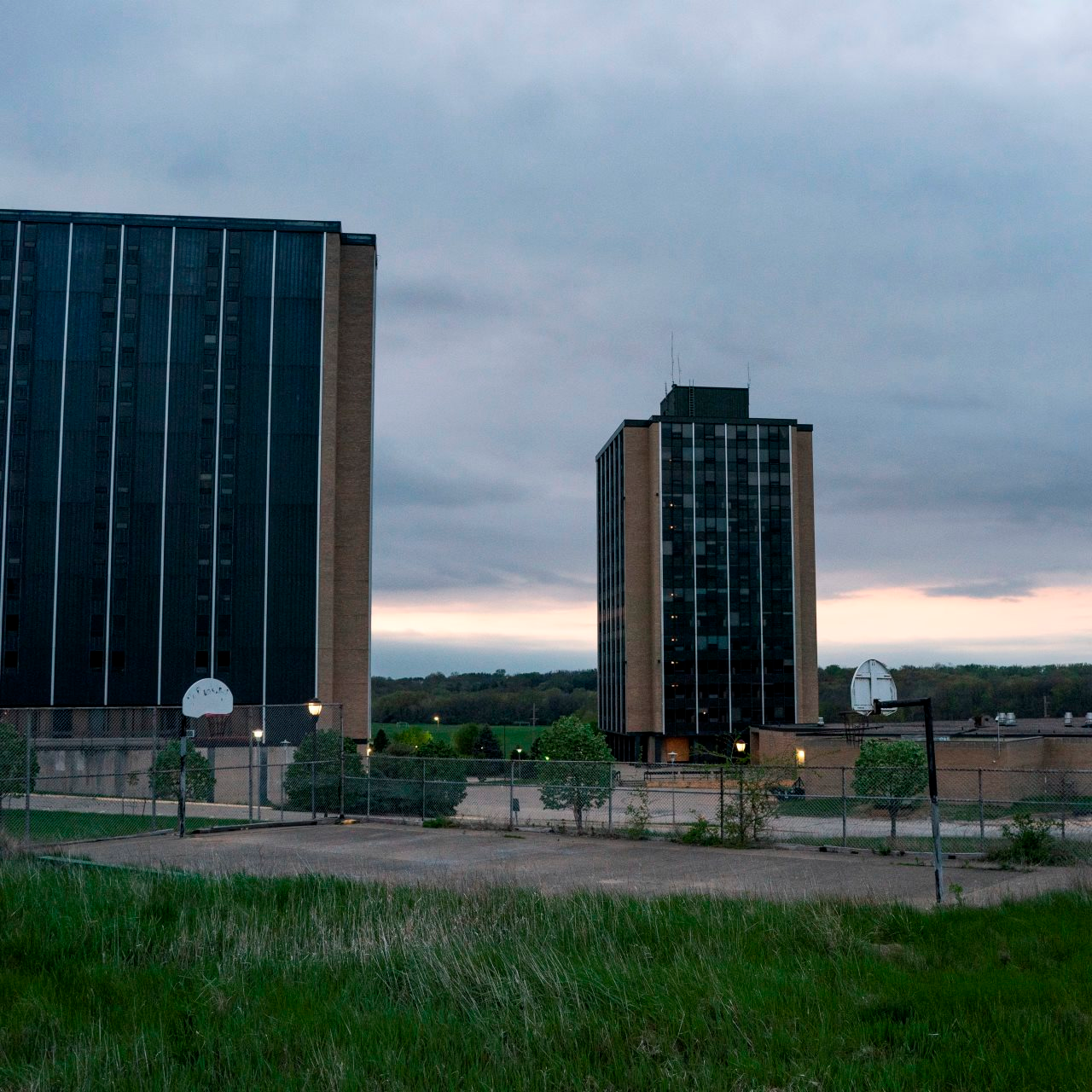
“It feels like you’re watching the town die,” said Kalib McGruder, a native of Macomb who has worked for 28 years for the Western Illinois University Police Department.
Rust Belt
Macomb is part of the “New Rust Belt,” a term used to describe college campuses across the United States and the student towns and villages that have fallen into disrepair after a boom time.
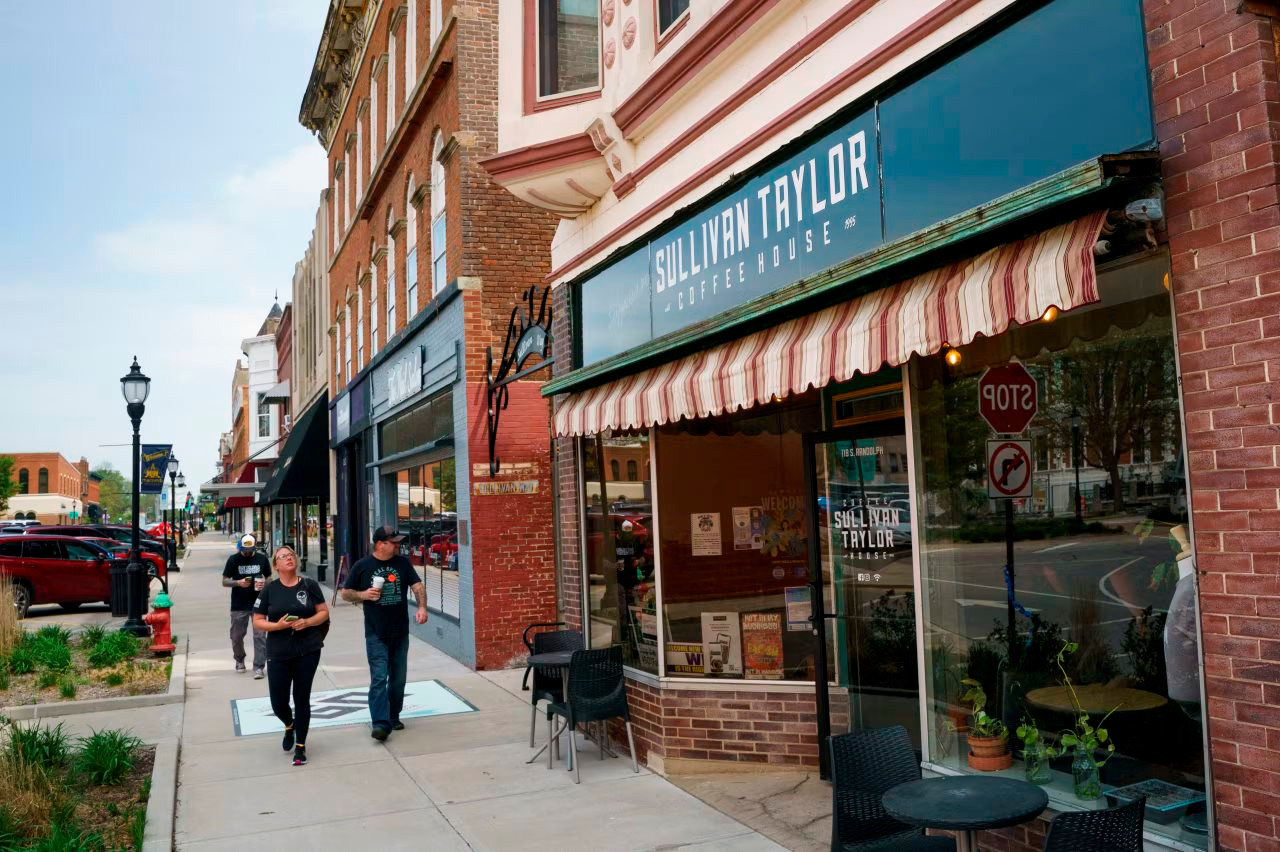
The Sullivan Taylor Coffee House, located on the corner of a stately 130-year-old building not far from campus, has had virtually no customers all semester. Owner Brandon Thompson has dipped into his retirement savings, maxed out his credit cards, and even canceled his home internet service to keep the shop open.
“We’re left with the bare basics,” said Thompson, who is considering filing for bankruptcy.
For generations, colleges across the United States have boosted local economies, creating jobs and attracting students to shop and spend. Increased student numbers have increased school budgets and freed colleges from having to worry about inefficiencies or cutting corners.
However, this boom is no more.
Three-quarters of metropolitan areas that rely particularly on higher education experienced weaker economic growth from 2011 to 2023 than the country as a whole, according to Brookings Metro research.
In the past decade, most of these metropolitan areas have grown faster than the country as a whole, but things are starting to reverse.
In 2007, the number of births in the US peaked at 4.3 million and has declined almost every year since, leading to a gradual decline in school enrollment.
Worse, more and more students are choosing prestigious schools over ordinary ones.
The WSJ analysis found that enrollment at the most popular public universities increased by 9% in 2023 compared to 2015. At lesser-known regional state universities, enrollment fell by 2%.
The move represents tens of thousands of students leaving struggling college towns.
Even if they don’t get into a prestigious school, more and more students are choosing not to go to college after high school, calculating that the tuition and opportunity cost of lost years of work are not worth it.
Hechinger’s report found that at least 242 degree-granting institutions in the United States have closed in the past 10 years.
23% population reduction
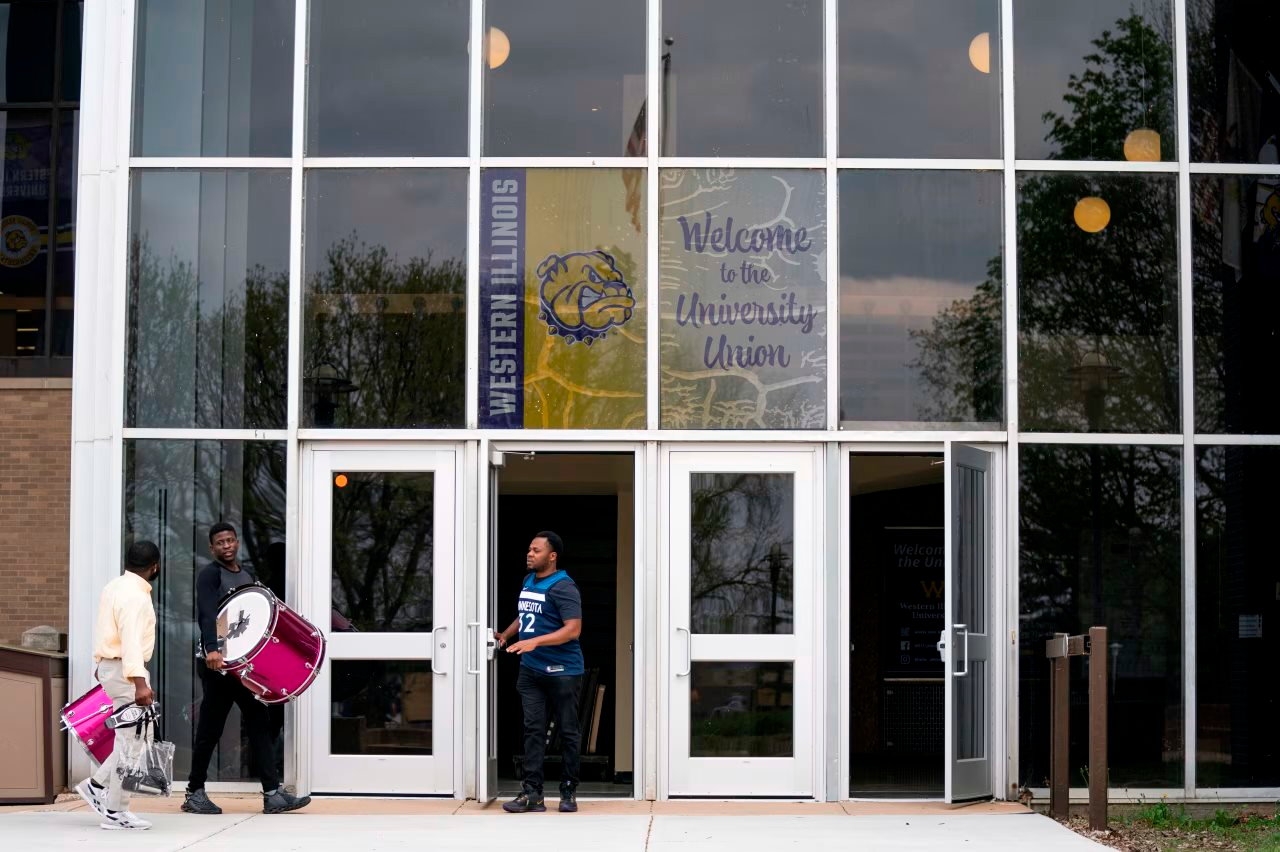
According to the WSJ, Macomb’s population has dropped 23% to about 14,765 people from 2010 to 2024. Enrollment at Western Illinois University’s Macomb campus has dropped 47% since 2010, from 10,377 to 5,511.
As enrollment declined, school officials cut programs and raised tuition, making it more difficult to attract new students, creating a vicious cycle.
Falling funding has left Western Illinois University in Macomb in disrepair, with cracks and holes in campus walkways so deep that temporary barriers have been erected.
Additionally, fewer students at the university also means fewer professors. Layoffs and reduced funding have reduced employment at the school by 38 percent over the past 11 years.
“It just snowballed,” said Krista Bowers Sharpe, an associate professor and librarian at Western Illinois at Macomb, who was laid off this month after 28 years at the school.
While prestigious schools attract more students and more money, growing stronger, schools like the one in Macomb are slowly fading away.
Enrollment at Western Illinois University in Macomb has dropped by more than half since 1973, much of it after 2011. The city’s sales tax revenue has dropped “almost in proportion” to the number of students during that period, the mayor said.
Vitale’s restaurant and pizza parlor in Macomb used to stay open until 2 a.m. some nights.
“Now we can barely stay open until nine o’clock,” said Julie Dienst, daughter of owner Concetta Vitale, who said the family wanted to sell but couldn’t find a buyer.
Regions that still rely on small colleges like Macomb will have to diversify their economies or face slow decline if they don’t find a sustainable path forward, the WSJ said.
News

Once highly praised by Elon Musk, an investment decision by Bill Gates turned into a disaster, resulting in losses exceeding $10 billion.
Once highly praised, one of Bill Gates’ investment decisions turned into a disaster, resulting in losses exceeding $10 billion More…

Harry Styles has a four-year-old fan who dreams of seeing him perform.
4-Year-Old Became Obsessed with Harry Styles After Hearing One Song. Now, Her Biggest Dream Is to See Him on Tour…

SHOCK!! Zoe Kravitz’s father is “urging” Harry Styles to propose to his daughter.
Zoe Kravitz’s Dad ‘Hurrying’ Harry Styles for a Proposal — Source (Photo Credit: Karwai Tang/WireImage, Kevin Mazur/Getty Images) It’s only…

Niall Horan once again brought tears to fans’ eyes as he evoked nostalgia for One Direction with his latest post.
Niall Horan sparks nostalgia among One Direction fans with latest post Niall Horan announces completion of fourth studio album after…

NBA fans reacted with mixed opinions to LeBron James shaking hands with Justin Bieber on the day the LA Lakers suffered a heartbreaking defeat.
NBA fans react to LeBron James linking up with Justin Bieber during LA Lakers’ recent game LeBron James was spotted…

Tommy Fleetwood has accused Nike of putting him in a “dilemma.”
‘Haven’t Had the Freedom’: Tommy Fleetwood Speaks Out as Nike Split Puts Him in Difficult Spot Most golfers at world…
End of content
No more pages to load