
Beyoncé’s Mom Slams Country Music’s Gatekeeping in New Peacock Documentary
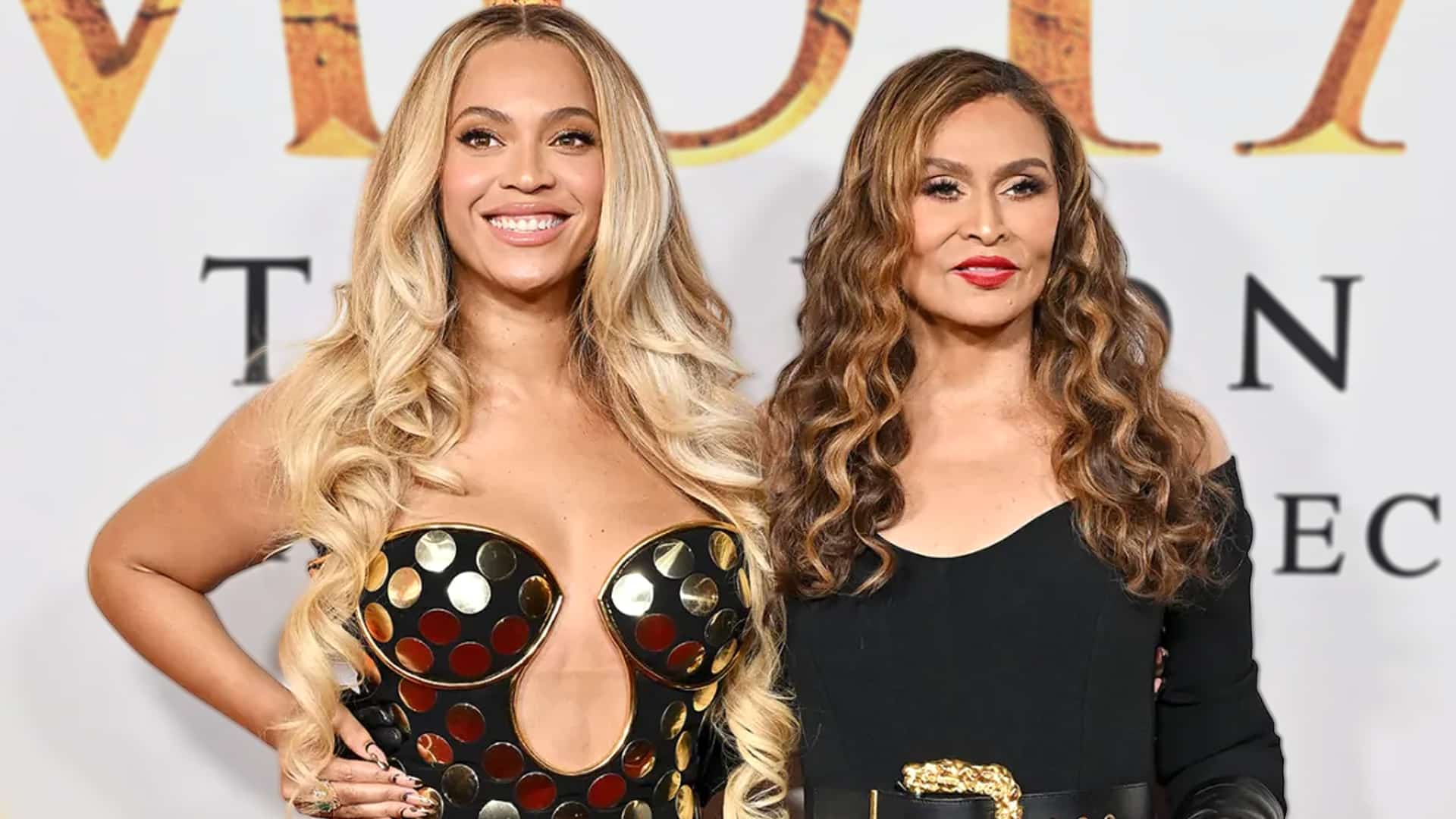
When you kick down the door to a genre and act surprised that folks do not roll out the red carpet, it is not gatekeeping. It is country music standing its ground.
In the new Peacock docuseries “High Horse: The Black Cowboy,” Tina Knowles, mother of Beyoncé, takes aim at country music’s so-called gatekeeping following the mixed reception of Cowboy Carter. Beyoncé made headlines with the highest-grossing country tour of the year and topped the Billboard Country Album chart, but despite all that hype, Nashville was not exactly falling all over itself. And there is a reason for that.
The CMA Awards and the ACMs passed on the project, and even a few country artists voiced their concerns. That is not hate. It is the country community making it clear that if you want in, you should respect the roots and not just wear the hat.
Tina Knowles fired back in the documentary, calling the gatekeeping “unbelievable” and arguing that people claim Beyoncé is rewriting history, but she contended that history had already been rewritten, and they are simply setting the record straight. But here is the thing. Rewriting history is exactly what Cowboy Carter tried to do. It painted over generations of country tradition with pop production and a message that did not reflect the core of this music.
Country music has always been about storytelling. It is about dirt roads, hard lessons, heartbreak, family, and faith. It is not about jumping into the genre for the sake of a chart number, a statement, or a flashy tour. Beyoncé may have grown up in Texas, but showing up decades into a pop career with a concept album does not make her the voice of country.
Tina Knowles also shared a personal experience of racism at the Kentucky Derby, which is unacceptable. No one should face that, ever. But pointing to that as proof of country music’s rejection of Beyoncé misses the bigger picture. The genre did not push back because of her race. It pushed back because she did not take the time to understand or respect what country truly is before claiming a seat at the table.
Even artist Breland admitted that Beyoncé did not come to Nashville, did not work within the community, and did not play the game like others who have earned their place. She did not try to be part of country music. She tried to reshape it on her own terms. That is where the disconnect started.
Beyoncé has every right to make the music she wants. But country fans also have every right to protect what they know and love. We have seen too many artists use country as a costume or a stepping stone, and we will not apologize for defending the genre that stands for real stories and real people.
So no, this is not about shutting anyone out. It is about keeping country, country. And when Tina Knowles claims fans are being close-minded because they were not swept off their boots by a crossover project with no real country roots, that is just another attempt at rewriting the story.
Beyoncé made noise, no doubt. But real country music does not need a campaign or a headline. It only needs a front porch, a steel guitar, and the truth.
News
Harry Styles opens up about ‘inappropriate behaviour’ at grandma’s funeral
Harry Styles makes bizarre confession in latest podcast interview Harry Styles makes bizarre confession in latest podcast interview Harry Styles…
Former Elon Musk employee leaked data to OpenAI; judge’s ruling sends shockwaves through the tech world.
A U.S. federal judge has dismissed a lawsuit alleging that OpenAI stole trade secrets from Elon Musk’s xAI, stating that…
BREAKING: Tiger Woods warned he could cause division on the PGA Tour
Tiger Woods Warned of Causing Rift in PGA Tour as Controversial Policies Take Over The growing chasm on the PGA…
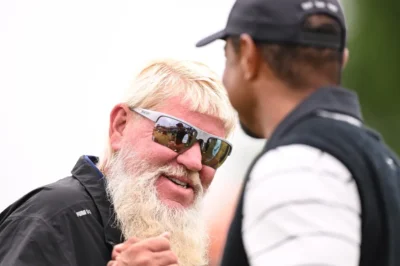
UNBELIEVABLE!! John Daly has removed Tiger Woods from his list of the greatest golf legends.
Golf cult hero John Daly names his Mount Rushmore but controversially snubs Tiger Woods JOHN DALY has snubbed Tiger Woods…
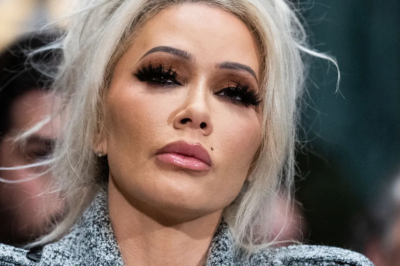
Bunnie Xo didn’t hesitate to open up about why she gave Jelly Roll a second chance after the singer’s infidelity, but there would never be a “third time.”
Bunnie Xo Reveals Why She Gave Jelly Roll a Second Chance After Affair, But Would He Get a Third? ‘Absolutely…
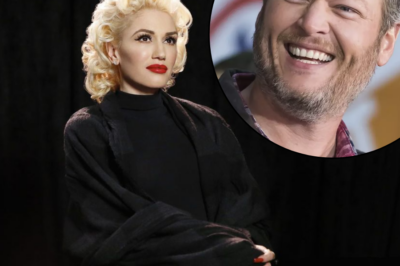
Gwen Stefani was the “only person” to vote for Blake Shelton to be named “Sexiest Man in the World”.
Carson Daly Jokes Gwen Stefani Was the ‘Only One Voting’ the Year Blake Shelton Was Named Sexiest Man Alive The…
End of content
No more pages to load