
In a year dominated by animated blockbusters and international phenomena, James Gunn’s Superman has emerged as a beacon of hope for the superhero genre and the newly rebooted DC Universe (DCU).
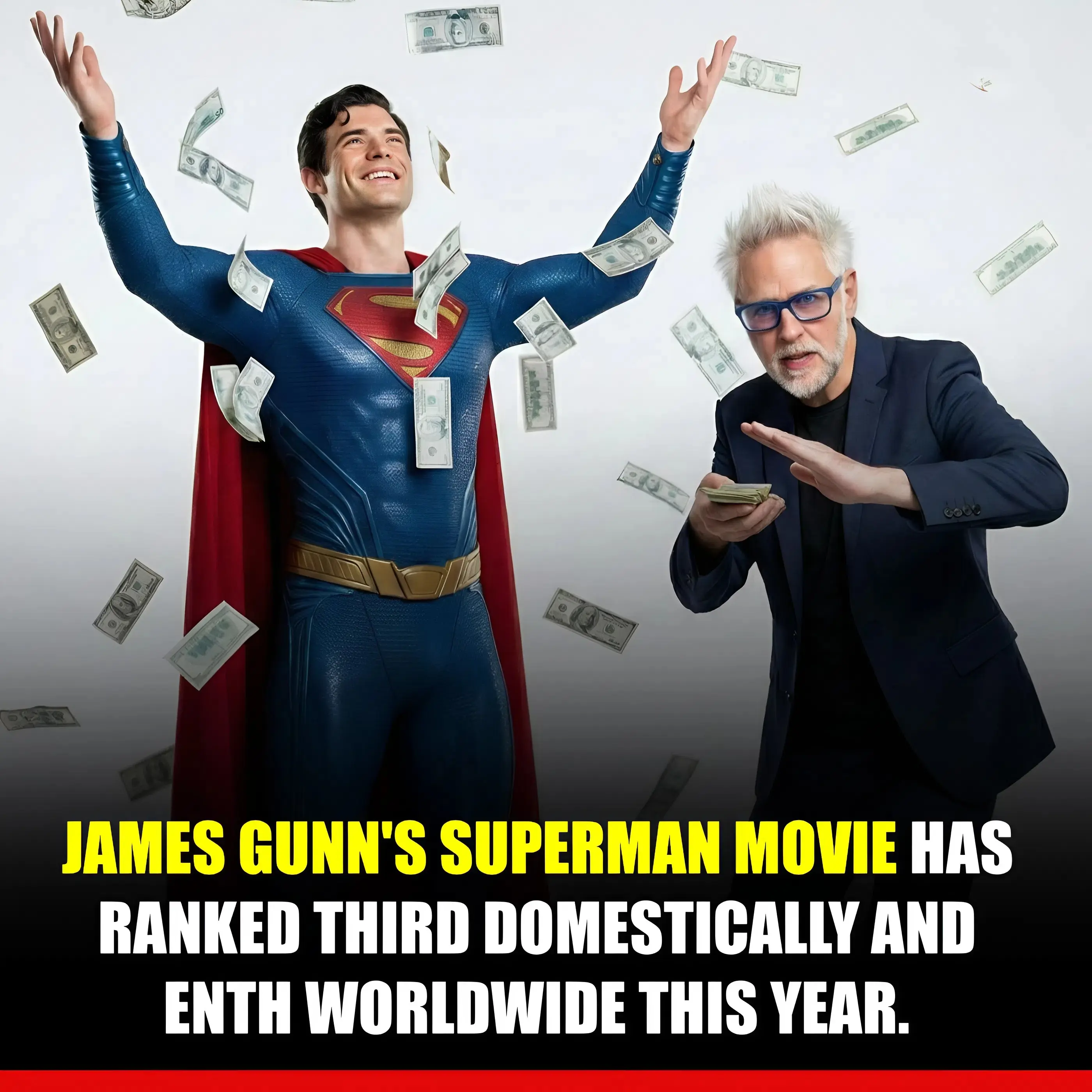
Released on July 11, 2025, the film—starring David Corenswet as the Man of Steel, Rachel Brosnahan as Lois Lane, and Nicholas Hoult as Lex Luthor—has concluded its theatrical run with impressive figures: approximately $354 million domestically in the United States and Canada, contributing to a worldwide total of $617 million.
This performance places it as the third highest-grossing film domestically in 2025 and the tenth highest-grossing worldwide, cementing its status as a triumphant launch for Gunn and co-CEO Peter Safran’s vision for DC Studios.
The road to this success was not without challenges. After the uneven performance of the previous DC Extended Universe (DCEU), which saw hits like Aquaman but also disappointments such as The Flash and Black Adam, Warner Bros.
entrusted Gunn—fresh off his acclaimed Guardians of the Galaxy trilogy for Marvel—with rebooting the iconic character. Gunn’s approach was deliberate: a return to the optimistic, hopeful roots of Superman, blending heartfelt character drama with spectacular action and a touch of his signature humor.
The film follows Clark Kent as he balances his Kryptonian heritage with his human life in Metropolis, introducing a vibrant ensemble of heroes and villains that teases the broader DCU.

Critically, Superman was a winner from the start. It boasts an 83% approval rating on Rotten Tomatoes, with praise focused on Corenswet’s charismatic portrayal, Brosnahan’s sharp Lois Lane, and Hoult’s menacing yet nuanced Lex Luthor. Audiences agreed, awarding it an A CinemaScore and a 91% audience score.
Reviewers hailed it as a “breath of fresh air” for superhero cinema, especially in a year where genre fatigue had impacted Marvel’s offerings.
Notably, Superman became the highest-grossing superhero film of 2025, outperforming Marvel’s Captain America: Brave New World ($415 million worldwide), Thunderbolts* ($382 million), and The Fantastic Four: First Steps (around $490 million).
Box office-wise, the film soared out of the gate. It opened to $125 million domestically—the largest opening for a standalone Superman movie, surpassing Man of Steel’s $116.6 million (adjusted)—and a global debut exceeding $210 million. Strong word-of-mouth propelled excellent legs, with drops under 50% in subsequent weekends.
By its fourth weekend, it had crossed $300 million domestically, joining an elite group that included A Minecraft Movie and Disney’s live-action Lilo & Stitch.
Ultimately, its domestic haul of $354 million made it the third-biggest earner in North America for the year, trailing only family-friendly juggernauts like A Minecraft Movie (over $420 million domestic) and Lilo & Stitch (part of billion-dollar global totals).

Worldwide, the story was slightly different. While domestic audiences embraced the film’s patriotic and inspirational tone, international markets were more tempered, resulting in $263 million overseas.
Gunn himself attributed this to broader “anti-American sentiment” in some regions, a factor that has historically affected Superman’s global appeal compared to more universally exported characters. Still, the $617 million total ranked it tenth globally in a year dominated by animated spectacles.
Leading the pack was the Chinese phenomenon Ne Zha 2, which shattered records with over $2.2 billion, becoming the highest-grossing animated film ever.
It was followed by Disney’s Zootopia 2 (around $1.3-1.4 billion), live-action remakes like Lilo & Stitch and A Minecraft Movie (each nearing or exceeding $1 billion), and other sequels such as Jurassic World Rebirth, Mission: Impossible – The Final Reckoning, and high-performing international titles.
Despite not reaching the billion-dollar club—dominated this year by animated and family-oriented films—Superman’s performance is a resounding victory. With a reported budget around $225-250 million (plus marketing), the film turned a profit exceeding $100-125 million for Warner Bros., factoring in theatrical, digital rentals, and merchandise.
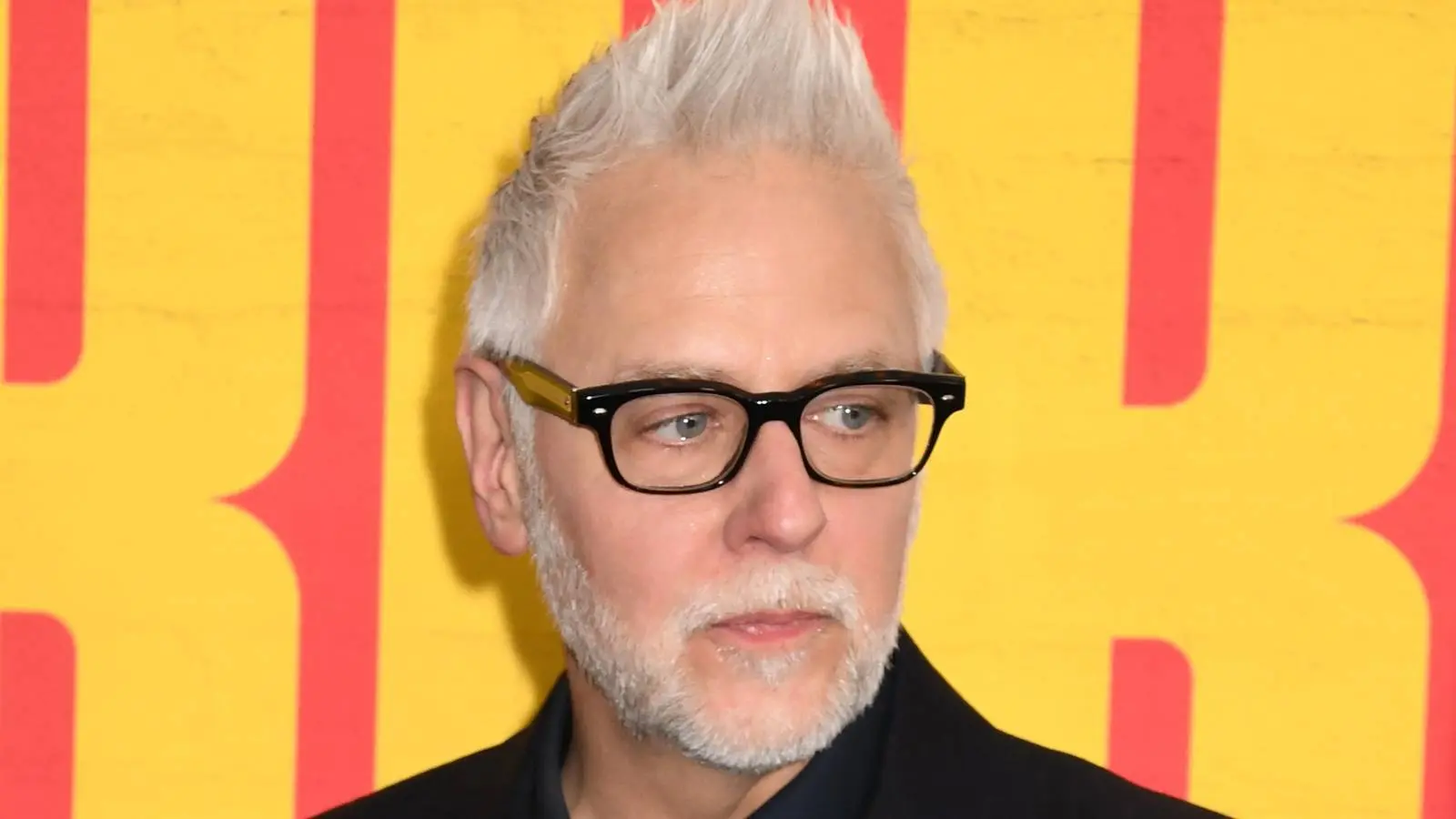
More importantly, it outperformed previous Superman solo entries: surpassing Man of Steel’s $291 million domestic (and total profitability metrics) while becoming the highest-grossing Superman-led film domestically ever.
This success signals a strong foundation for the DCU’s Chapter One: Gods and Monsters. The film’s post-credits scenes and ensemble introductions have fans buzzing about upcoming projects like The Brave and the Bold (Batman), Supergirl: Woman of Tomorrow (2026), and the recently announced Man of Tomorrow (2027).
Gunn’s interconnected yet standalone approach—prioritizing character-driven stories over forced crossovers—appears to be resonating, restoring faith in DC after years of creative turmoil.
In an industry where superhero films faced scrutiny amid “fatigue” narratives, Superman proved the genre’s enduring power when executed with passion and clarity.
It outperformed all 2025 comic book competitors, reversed DC’s recent box office fortunes against Marvel (the first time since The Dark Knight in 2008 that DC led in superhero earnings for a year), and delivered the explosive start the DCU desperately needed.
As 2025 draws to a close, James Gunn’s Superman stands tall not just as a commercial hit, but as a cultural reset—one that reminds audiences why the Man of Steel remains an eternal symbol of hope.
News

Breaking: Ted Nugent and Oliver Anthony Collaborate for a “Long Live America” Tour
In a time when the nation is grappling with social and political divides, there’s something profoundly unifying about the power…

Jason Aldean Cancels All NYC Tours For 2026, “SORRY NYC, I Don’t Sing For COMMIES”
Jason Aldean has officially canceled all of his 2026 tour dates in New York City, declaring that he has no…

Ilhan Omar Is Reportedly Considering Leaving the U.S. After Cancellation of TPS for Somalis, “I’ve Had Enough”
Reports swirling around Capitol Hill this week suggest that Representative Ilhan Omar is “genuinely considering” leaving the United States after…
House Ways and Means Orders AOC to Repay $1,300 Mercedes Lease Charged to Congressional Account
In a move that has sparked intense debate across Washington, the House Ways and Means Committee has ordered Representative Alexandria…
Screen Actors Guilds Kicks Out Whoopi Goldberg Due To Extremist Views, “She’s Toxic As Hell”
Hollywood is reeling after the Screen Actors Guild (SAG-AFTRA) reportedly voted to expel longtime member and talk-show fixture Whoopi Goldberg,…

Brazil’s Neymar: I might retire at end of ‘important’ 2026
Brazil forward Neymar said he is “living year to year” as he considers retirement at the end of the season. The 34-year-old currently…
End of content
No more pages to load