
Italy’s classrooms have become the center of a heated cultural debate. New education guidelines now restrict teachers from discussing LGBT-related topics in primary and secondary schools.
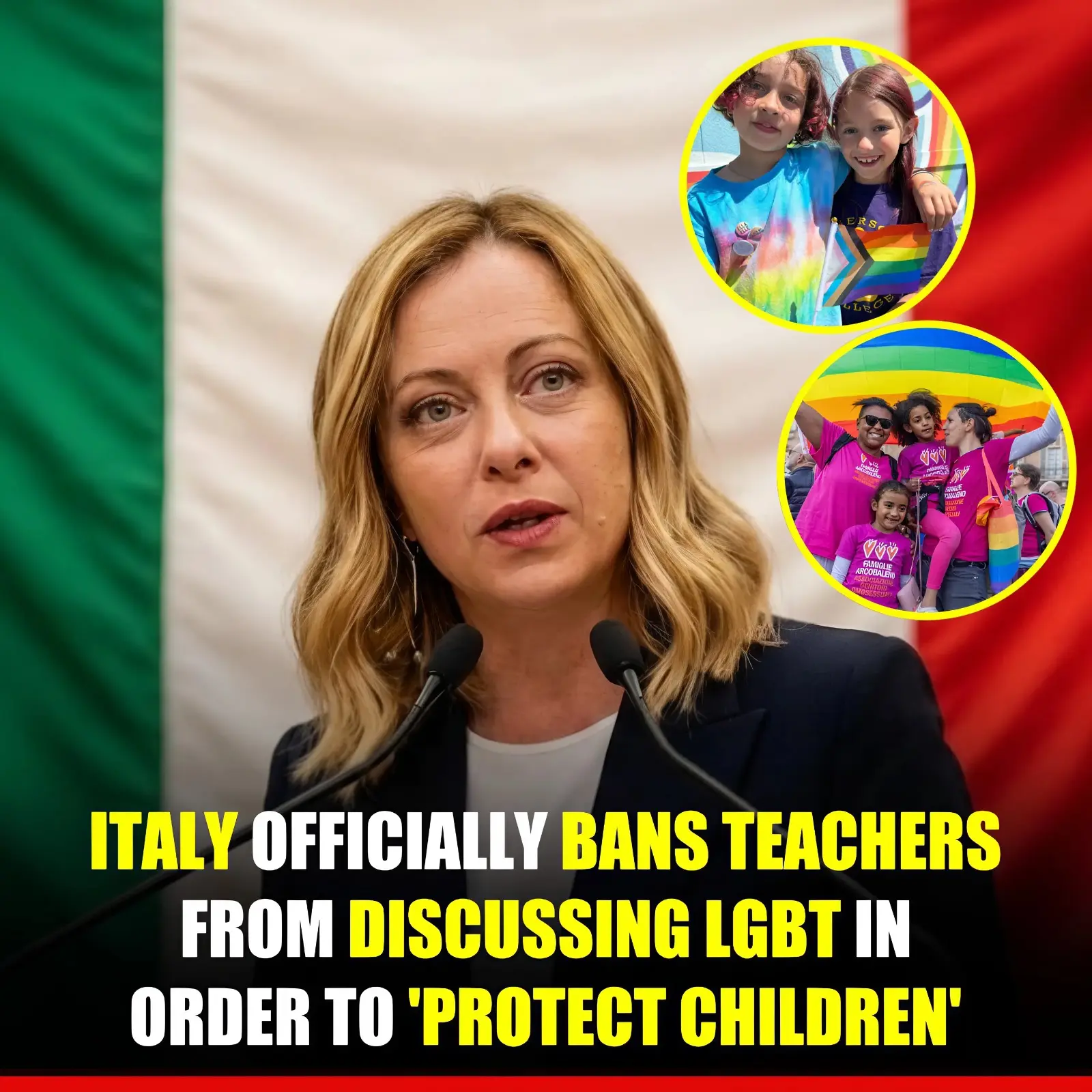
The government says the policy is meant to keep classrooms focused on core academics while allowing parents more control over when and how sensitive social issues are introduced to children.
The controversy stems from a series of legislative measures introduced under Prime Minister Giorgia Meloni’s right-wing coalition government in 2025. While there is no single outright “ban” on all LGBT discussions, a combination of bills and directives has effectively limited such topics.
In preschool and primary schools, lessons on “gender relativism” or what conservatives term “gender theory” – often encompassing discussions of gender identity, fluidity, and non-traditional sexual orientations – have been prohibited.
In secondary schools, sexuality and affective education is permitted only with explicit parental consent, and schools must provide detailed advance notice of topics and materials.
External experts or activists are barred from delivering sessions on these subjects in lower grades, and some proposals extend restrictions to prohibit ideological content perceived as promoting LGBT themes.
Education Minister Giuseppe Valditara has defended the policies, arguing they reinforce parental rights as enshrined in the Italian Constitution. “The primary responsibility for educating children on matters of identity and sexuality lies with families,” he stated in parliamentary debates.
Supporters, including members of Meloni’s Brothers of Italy party and the Lega, contend that young children should not be exposed to complex social issues that could confuse them or conflict with traditional family values.
They point to isolated cases where external organizations invited to schools discussed same-sex families or gender diversity, framing these as attempts at “indoctrination.” The measures, they say, protect minors from premature exposure while ensuring classrooms prioritize subjects like math, science, history, and language.
Proponents also highlight that the guidelines do not prohibit general education on respect, tolerance, or anti-discrimination. Basic lessons on bullying prevention and human dignity remain part of the curriculum.
For many conservative parents and religious groups, particularly those influenced by Catholic teachings predominant in Italy, this shift is a welcome safeguard. It aligns with broader efforts to preserve what the government calls “natural family structures” amid declining birth rates and cultural changes.
Similar sentiments echo in public opinion polls, where a significant portion of Italians express concern over what they see as rapid societal shifts imposed on youth.
Critics, however, warn that the restrictions could make schools less inclusive and leave LGBT students more vulnerable. Human rights organizations like Arcigay and international bodies such as ILGA-Europe have condemned the moves as a form of censorship reminiscent of Florida’s “Don’t Say Gay” law or restrictions in Hungary and Bulgaria.
Teachers’ unions argue that requiring parental opt-in for sexuality education in secondary schools will deter cash-strapped institutions from offering it altogether, leading to de facto silence on these topics.
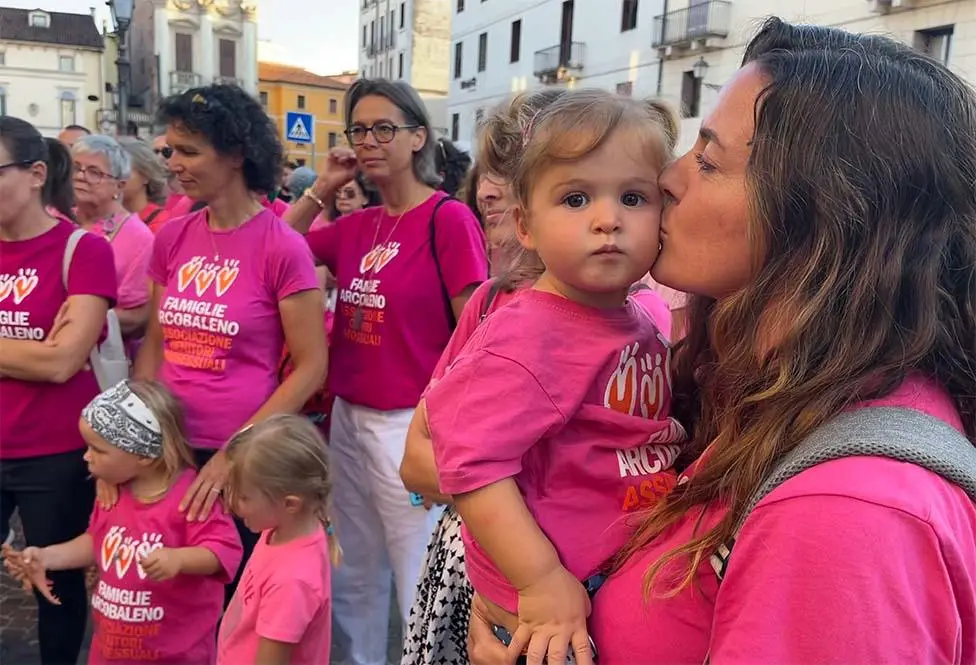
“Schools are often the first safe space where young people grappling with their identity can find understanding,” said a spokesperson for an LGBT advocacy group. “Silencing discussions risks exacerbating isolation, bullying, and mental health issues among queer youth.”
Data supports these concerns: studies from organizations like the Italian National Institute of Health indicate that comprehensive, age-appropriate education on diversity and relationships reduces discrimination and supports better mental health outcomes.
LGBT students in Italy already face higher rates of bullying and suicide attempts compared to their peers, according to reports from human rights watchdogs. Critics fear the vague language in the bills – defining prohibited content as anything promoting “gender ideology” – could chill even casual conversations.
For instance, a teacher mentioning a historical figure’s sexual orientation or addressing a student’s question about same-sex parents might risk complaints or investigations.
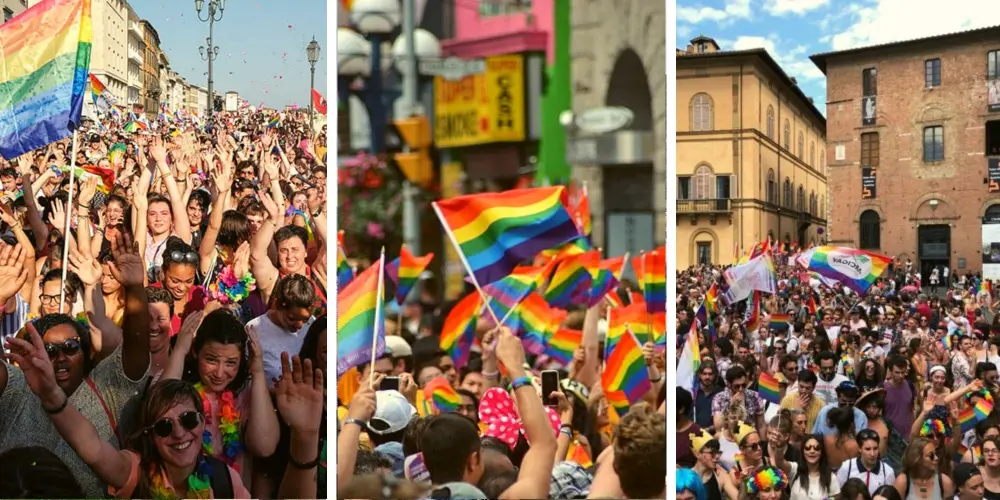
The debate has spilled beyond parliament into streets and media. Protests in cities like Rome and Milan have seen thousands rallying against what they call “anti-LGBT censorship,” while counter-demonstrations defend parental authority.
Opposition parties, including the Democratic Party, accuse the government of using education as a battleground in culture wars to appeal to its base.
This controversy mirrors a broader global trend, as governments across Europe and beyond reassess the balance between education, social values, and parental authority.
Italy’s approach follows similar restrictions in Eastern Europe, where countries like Hungary have banned “LGBT propaganda” in schools, and parallels debates in the United States over curricular content. Yet Italy stands out in Western Europe for lacking mandatory comprehensive sexuality education, one of the few EU nations without it.
Previous attempts to introduce inclusive programs have repeatedly failed due to political and religious opposition.
Much will depend on how strictly the policy is enforced and whether exceptions exist for issues like anti-bullying, student safety, or mental health support. Some schools in progressive regions may find ways to navigate the guidelines creatively, while others in conservative areas might embrace the restrictions fully.
Legal challenges are already mounting, with appeals to the Constitutional Court arguing that the measures violate principles of equality and freedom of teaching.
The real impact will emerge over time in classrooms across Italy.
Will these guidelines foster a neutral academic environment focused on fundamentals, as supporters claim? Or will they contribute to a generation less equipped to navigate an increasingly diverse society? As students return to school under these new rules, educators, parents, and policymakers alike are watching closely.
The outcome could reshape not only Italy’s educational landscape but also its ongoing struggle with inclusivity in a traditionally Catholic nation modernizing amid global influences.
News
“I Felt Like a Fraud.” — Henry Cavill Confesses He Almost Quit the Movie During Rehab, Convinced He Was Too Old to Play an Immortal Warrior at 42.
“I Felt Like a Fraud.” — Henry Cavill Confesses He Almost Quit ‘Highlander’ During Rehab The man chosen to play…
“He Won’t Speak to Us.” — Henry Cavill Goes Silent on the ‘Highlander’ Set, Refusing to Break Character Even When the Cameras Stop Rolling.
The easy smile is gone. The small talk has vanished. In its place, crew members say, stands Connor MacLeod. As…
“I Begged for This.” — Dave Bautista Waited 10 Years for One Role, and First Photos Prove He Was Born to Destroy Henry Cavill’s Connor MacLeod.
For a decade, Dave Bautista has been unusually candid about one ambition: he wanted to play The Kurgan. Not casually….
Live on TV, a Reporter Tries to Brand Fans “Toxic”—Henry Cavill Cuts Him Off Cold, Redefines Fandom in 7 Words, and Sparks a Moment Millions Still Cheer.
Henry Cavill, the actor most famously known for playing Superman in the DC Extended Universe and Geralt of Rivia in…
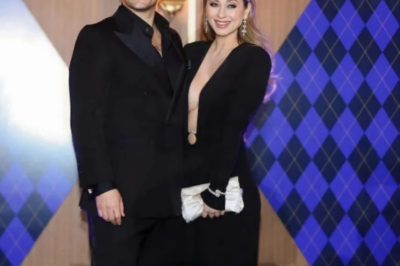
“Have Some Self-Respect” — Henry Cavill Draws a Hard Line as Toxic Fans Target His Girlfriend, Delivering the Most Savage Clapback of His Career
Henry Cavill has long been known as one of Hollywood’s last true gentlemen—soft-spoken, polite, and deeply respectful of his audience….
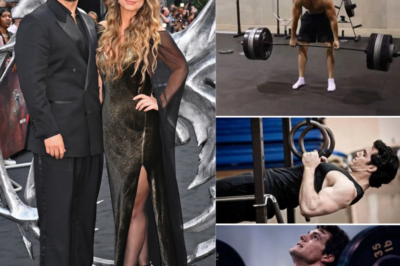
“Superman is washed up at 42”: Henry Cavill’s girlfriend posts an eight-second video of his 200kg deadlift that ends the entire online career debate.
British cinema star Henry Cavill, who turned 42 this year, has recently faced a flurry of dismissive online commentary suggesting his…
End of content
No more pages to load