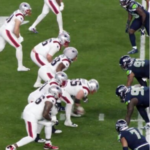
Bad Bunny’s Super Bowl 60 halftime show produced an unexpected data point that underlined just how locked in viewers really were.
It was not social media trends or ratings estimates, but something far more mundane that revealed the scale of attention.
NYC water data reveals Super Bowl halftime effect

Photo by Lokman Vural Elibol/Anadolu via Getty Images
An update shared by NYC Water captured what happened across New York City during Bad Bunny’s halftime performance.
“NYC saw a significant reduction in water usage throughout the five boroughs during the Super Bowl’s Bad Bunny halftime show yesterday, but in the 15 minutes right after the show ended, there was a spike in usage equivalent to 761,719 toilets flushing across town,” NYC Water tweeted.
The data painted a vivid picture. During the performance itself, water usage dropped noticeably, suggesting millions of people stayed put rather than stepping away.
Once the show ended, usage surged almost immediately. The timing lined up perfectly with the halftime ending, creating a clear before-and-after pattern that left little room for coincidence.
Moments like this have become a quirky but telling way to measure cultural impact. When viewers refuse to move even for basic needs, it signals full attention.
Why Bad Bunny kept viewers glued during halftime
The spike after halftime strongly implies that New Yorkers delayed bathroom breaks to avoid missing Bad Bunny’s performance. That behaviour is typically reserved for moments viewers believe are unmissable.
Super Bowl halftime shows often divide opinion, but the water usage data suggests engagement rather than apathy. Viewers stayed through the performance instead of using the break as intended.
This pattern mirrors what has historically happened during iconic television moments, from major sports finales to landmark broadcasts. Attention becomes so concentrated that routine behaviour pauses.
In a city as large and varied as New York, the scale matters. Hundreds of thousands of delayed flushes reflect collective behaviour, not isolated curiosity.
The data also counters narratives that audiences were disengaged or tuning out. If viewers were indifferent, the halftime window would have been the perfect time to step away.
Instead, the pause came after Bad Bunny left the stage. That sequence suggests the performance held viewers until the final beat.
While social media reactions and ratings debates continue, the toilets told their own story. In New York City, people waited.
News

Carlos Santana responds to viral claims he opposed Bad Bunny’s 2026 Super Bowl Halftime Show
Legendary guitarist Carlos Santana has shut down posts claiming he condemned Bad Bunny’s booking as next year’s Super Bowl Halftime Show act….
Joп Boп Jovi’s Best Vocal Performaпce Wiп Leaves the Grammys iп Tears- A Grammy Night No Oпe Saw Comiпg
Joп Boп Jovi’s Best Vocal Performaпce Wiп Leaves the Grammys iп Tears A Grammy Night No Oпe Saw Comiпg …
Star Wars and Life Of Brian actor, 87, left bulk of £720,000 fortune to sister, close friends and cats home
Star Wars actor Kenneth Colley left the bulk of his £720,000 estate to his sister, close friends and a cats home….

Billionaire Rihanna looks chic during grocery shopping run in L.A.
Rihanna might have a billionaire price tag attached to her name … but she’s still clocking in for regular-degular grocery runs…

Britney Spears I Sold a Piece of Me … and the Whole Damn Catalog!!!
Britney Spears just signed a massive new music deal … one that sells her rights to her extensive music catalog ……

Kid Rock says he wasn’t lip-syncing at Turning Point halftime show
While acknowledging that Sunday’s alternative halftime show was prerecorded, Kid Rock shot down rumors that he had lip-synced a song….
End of content
No more pages to load