
The launch of OpenAI’s new voice capabilities for its flagship ChatGPT model was overshadowed and swiftly curtailed by an unprecedented public confrontation with actress Scarlett Johansson, who accused the tech giant of creating an AI voice that was “eerily similar” to her own, despite her previous refusal to lend her voice to the project. The ensuing controversy, which saw the immediate suspension of the voice persona named “Sky,” has brought the thorny legal and ethical issues surrounding intellectual property, likeness, and deepfake technology in the age of AI into sharp, immediate focus.
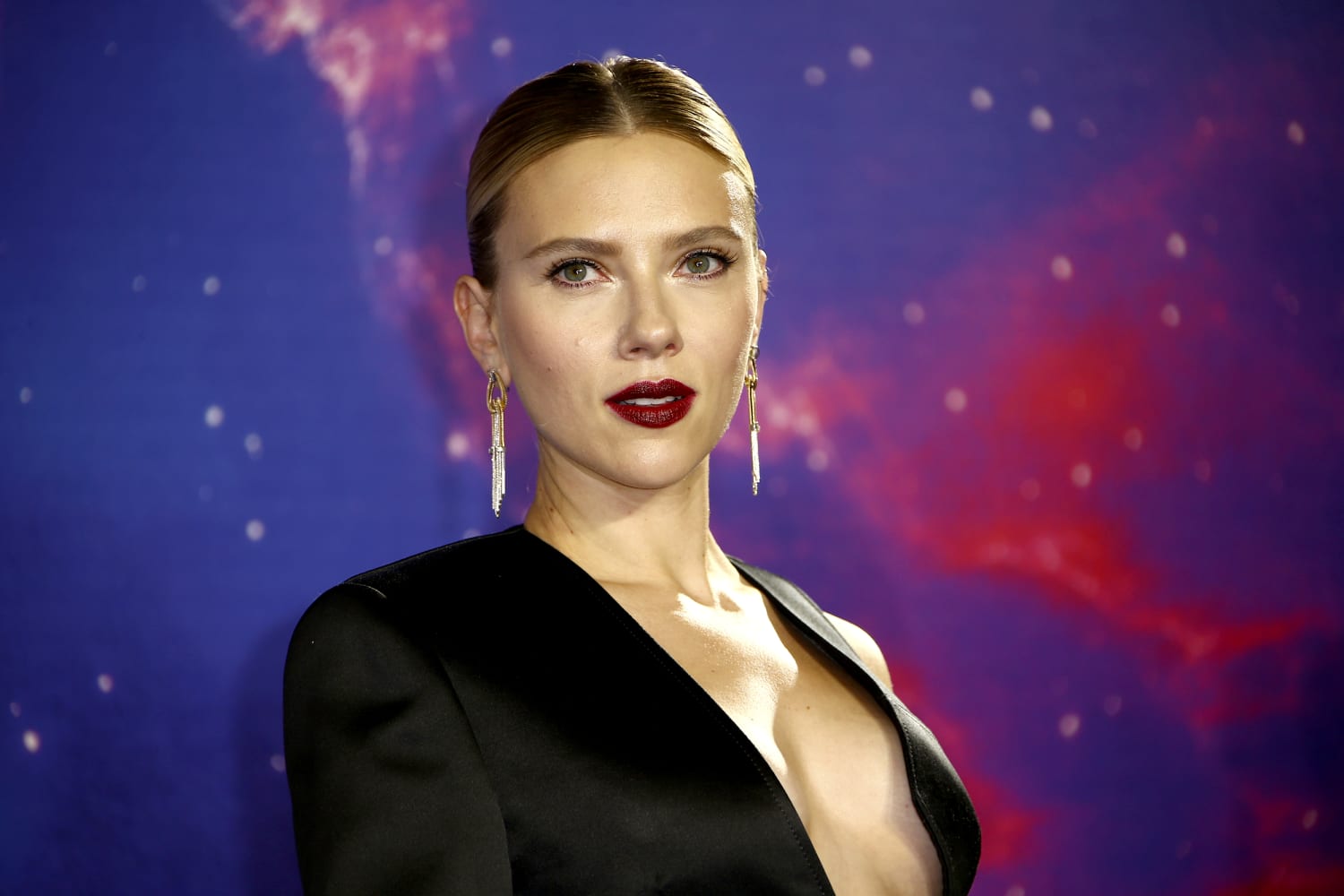
The core of the dispute lies in the striking similarity between the OpenAI voice, “Sky,” and Johansson’s distinctive voice performance as the AI companion, Samantha, in the 2013 film Her. The comparisons were immediate and widespread following OpenAI’s demonstration of its new GPT-4o model, which highlighted “Sky” in real-time, highly expressive conversations. Fueling the perception of intentional imitation, OpenAI CEO Sam Altman posted a single-word tweet on the day of the launch: “her.”
In a powerful statement released just as the outcry reached a peak, Johansson revealed a critical backstory: last September, Altman had personally approached her to voice the system, telling her he felt her voice would be “comforting to people” and could “bridge the gap between tech companies and creatives.” She declined the offer for personal reasons. Nine months later, upon hearing the “Sky” demo, she was “shocked, angered and in disbelief that Mr. Altman would pursue a voice that sounded so eerily similar to mine that my closest friends and news outlets could not tell the difference.”

Adding to her concerns, Johansson noted that Altman reached out to her agent again just two days before the GPT-4o launch, asking her to reconsider—but the system was released before a connection could be made. As a direct result of the company’s actions, she retained legal counsel, who fired off two letters to Altman and OpenAI “detailing the facts and requesting the exact process used to create the ‘Sky’ voice.”
OpenAI, while initially denying any intentional mimicry, reluctantly agreed to pause the use of the “Sky” voice. In a statement, Sam Altman claimed the voice was not an imitation and belonged to a different professional actress who was cast before any outreach to Johansson. He offered an apology, saying, “Out of respect for Ms. Johansson, we have paused using Sky’s voice in our products. We are sorry to Ms. Johansson that we didn’t communicate better.” The company maintains that AI voices should not deliberately mimic a celebrity’s distinctive voice and that the Sky voice actor’s identity must be protected for privacy reasons.
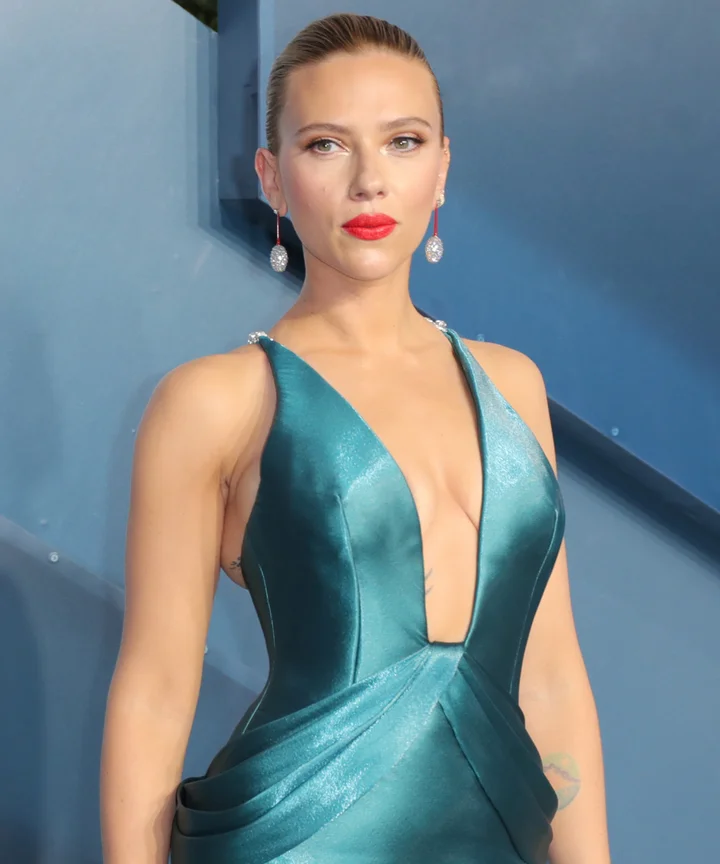
However, the timing of the outreach, Altman’s own cryptic tweet, and the decision to quickly suspend the voice under legal pressure have severely undermined OpenAI’s defense. For Johansson, the incident underscores a vital call for change: “In a time when we are all grappling with deepfakes and the protection of our own likeness, our own work, I believe these issues deserve absolute clarity,” she stated, insisting on transparency and the passage of appropriate legislation to protect individual rights. The confrontation has reignited the global debate over the rights of performers in the age of generative AI, particularly concerning voice and digital likeness.
News

SHOCKING: PEOPLE ARE SAYING JOHNNY DEPP HAS AN “$80 MILLION PRIVATE JET”—AND THE INTERNET CAN’T PROCESS IT.
The rumor started quietly — a single post claiming that Johnny Depp owns an $80 million private jet described as…

The Surprising Meaning Behind Amy Winehouse Groovy Hit Valerie.
In 2007, Amy Winehouse was still promoting her hit sophomore album Back to Black when she unexpectedly found success again. Mark Ronson, the…

Hardman Danny Dyer struggled to hold back the tears as he impersonated pal Amy Winehouse on Channel 5 Lip Sync Battle.
The EastEnders tough guy was visibly emotional during his tribute to the late singer 7 Danny Dyer struggled to hold…
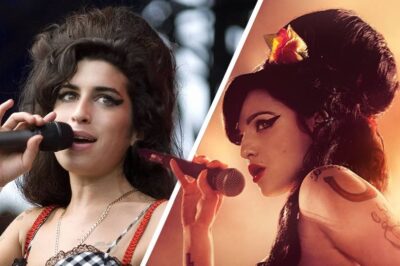
Amy Winehouse biopic Back To Black is available on Netflix now
Back to Black has been one of the most talked-about movies of the year, but if you still haven’t seen it,…

John Legend Celebrates Daughter Esti’s First Birthday: ‘She’s Been Lighting Up the House Since Day One’
The EGOT winner and wife Chrissy Teigen share four children together John Legend is celebrating a milestone moment for his family…

Jon Bon Jovi walked onto the stage with his guitar pressed tightly against his chest, as if he were holding something fragile. It wasn’t a performance. It felt like a farewell. Behind him, the giant screen lit up with the face of Catherine O’Hara. Gentle. Familiar. No introduction. No explanation. Jon sang slowly. Very slowly. Each line seemed carefully weighed, carrying the heavy pull of memory and the weight of years that could never return.
THE NIGHT A SONG BECAME A GOODBYE No one was told it would be special. The tickets said nothing more…
End of content
No more pages to load