
In the relentless glare of fame, few voices cut through the noise like Billie Eilish’s. The 24-year-old Grammy-winning artist, known for her raw lyricism and unapologetic vulnerability, has long been a beacon for those grappling with self-image.
Her recent reflections on body-shaming—echoing sentiments from a pivotal 2023 Variety interview—continue to resonate deeply, sparking conversations about gender disparities, societal pressures, and the enduring “war” of womanhood. As Eilish put it, “Being a woman is just such a war, forever. Especially being a young woman in the public eye.
It’s really unfair.” These words, delivered with her signature blend of candor and frustration, serve as a stark reminder of the uneven burdens women carry under the weight of public scrutiny.
Eilish’s comments, which resurfaced amid ongoing discussions on social media in late 2025, stem from that candid Variety sit-down where she dissected the hypocrisy of body criticism. “Nobody ever says a thing about men’s bodies,” she lamented. “If you’re muscular, cool. If you’re not, cool. If you’re rail thin, cool
If you have a dad bod, cool. If you’re pudgy, love it! Everybody’s happy with it. You know why? Because girls are nice.
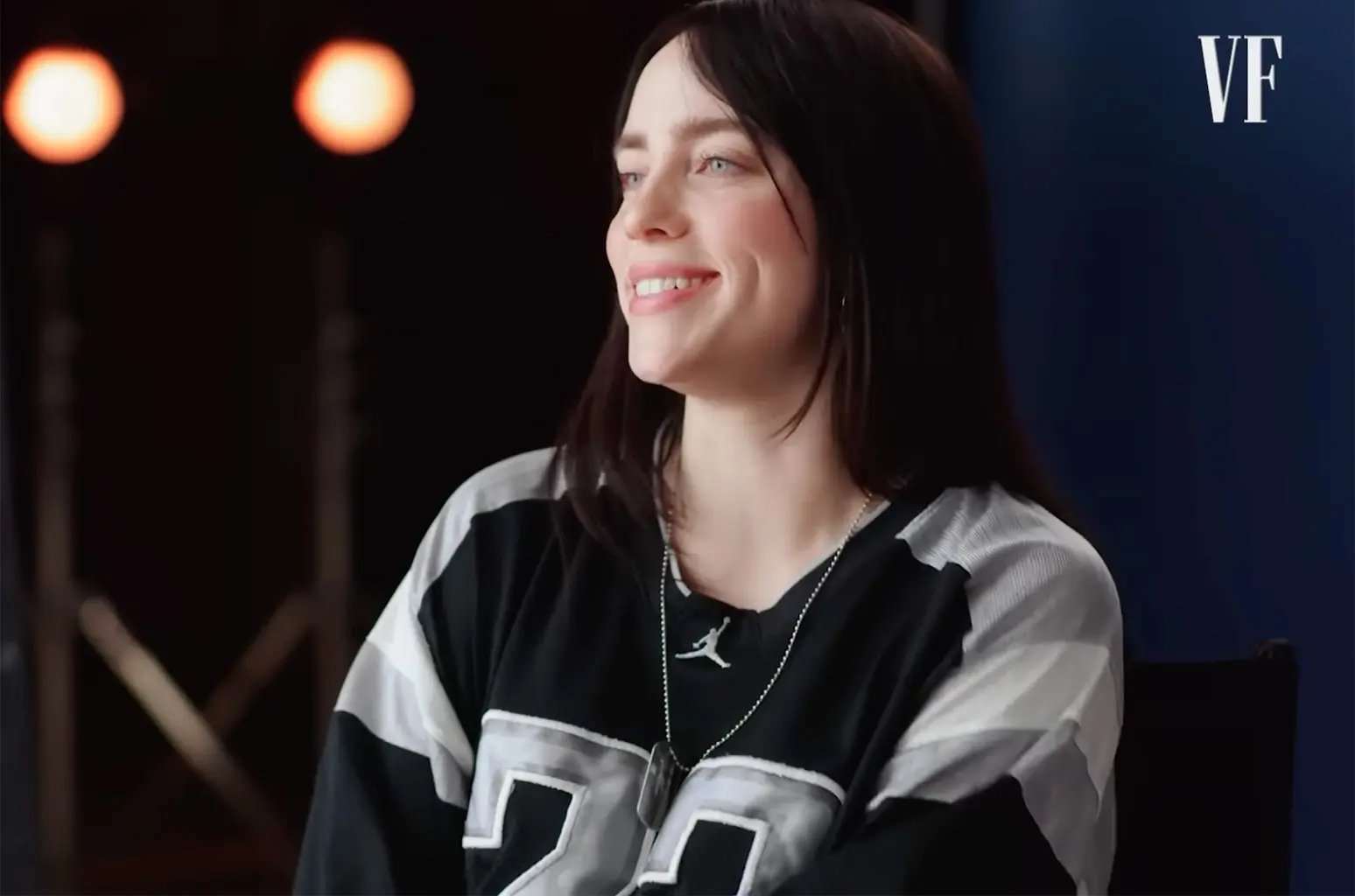
They don’t give a fuck because we see people for who they are!” At first glance, the statement feels like a lighthearted jab, a testament to female empathy in a world quick to judge.
But it ignited a firestorm, with critics accusing her of oversimplifying male experiences and ignoring the subtle (and not-so-subtle) ways men face their own body-related barbs.
The backlash was swift and multifaceted. On platforms like X (formerly Twitter), users dissected her words, pointing to a 2019 Pitchfork interview where a teenage Eilish vented about “horrible-looking” men dating “pretty girls,” questioning why such pairings persisted.
“Why is every pretty girl with a horrible-looking man? I don’t understand,” she said then, adding fuel to accusations of hypocrisy. Community notes on viral posts amplified these clips, garnering millions of views and thousands of replies.
One user quipped, “Love u Billie but this just isn’t true—I’ve seen girls mock guys’ bodies and obese people all the time.” Others highlighted male celebrities like Zac Efron, who spoke in 2022 about his “Baywatch” transformation leading to severe anxiety and body dysmorphia, or Liam Payne, whose post-mortem ridicule in 2024 underscored the lethal edge of online shaming.

Yet, Eilish’s core point endures: the intensity and frequency of scrutiny differ profoundly by gender. Women, she argues, navigate a minefield where every curve, crease, or outfit becomes fodder for debate. This isn’t hyperbole; it’s her lived reality.
From baggy clothes designed as armor against paparazzi lenses to songs like “NDE” from her 2024 album Hit Me Hard and Soft, where she croons about feeling “skinny and sick” under fluorescent lights, Eilish has chronicled her battles with body image since adolescence.
In the Variety piece, she admitted, “I’ve never felt desirable. I’ve never felt feminine. I have to convince myself that I’m, like, a pretty girl.” Growing up, she “disliked her body,” a sentiment shared by countless young women bombarded by filtered ideals on Instagram and TikTok.
This personal turmoil mirrors a broader crisis. According to a 2025 Dove Self-Esteem Project report, 80% of girls aged 10-17 experience body dissatisfaction, with social media exacerbating the issue—girls see 10,000 negative appearance comments daily online.
Eilish, thrust into stardom at 15 with “Ocean Eyes,” became a reluctant poster child for this epidemic. Her evolution—from the oversized hoodies of her debut era to the more revealing looks on her 2025 world tour—has been met with polarized reactions.
Fans praise her for reclaiming agency, while trolls dissect her “weight gain” or “aging” with vicious precision. One X post from August 2025 captured the exhaustion: “The older I get, the more devastating songs like [Eilish’s body-image tracks] become…
You just have to watch [young girls] hate themselves over beauty standards.”
Eilish’s advocacy extends beyond confession; it’s a call to dismantle the machinery of shame. In a 2025 panel at the Women in Music Awards, she urged creators to “stop the scroll” on toxic content, emphasizing therapy and community as lifelines.
“I identify as ‘she/her’ and things like that, but I’ve never really felt like a girl,” she shared in Variety, highlighting the fluidity and fragility of identity under pressure.
Her words echo Lizzo’s 2024 exit from social media amid fat-shaming, or Taylor Swift’s subtle nods to eating disorder recovery in The Tortured Poets Department. These artists, like Eilish, weaponize their platforms to normalize imperfection, reminding us that “being a bad bitch is not about your look…
it’s about how you feel about yourself,” as one supportive X user paraphrased in December 2025.
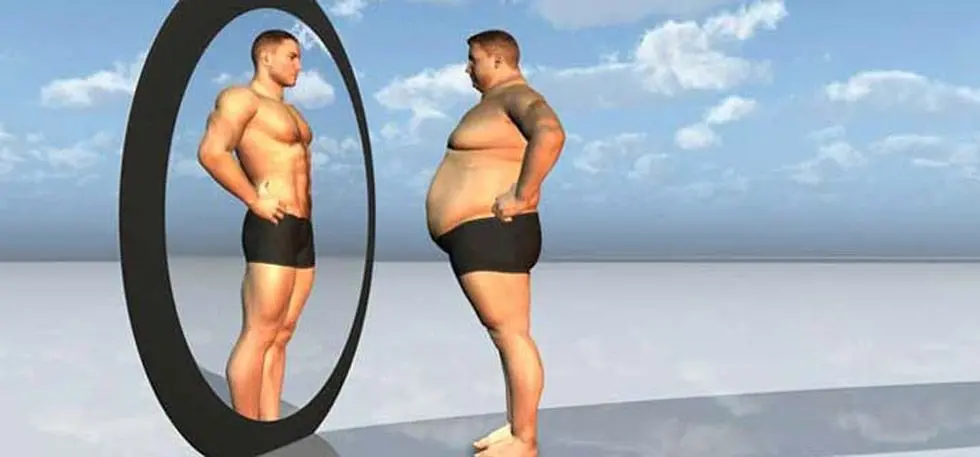
But what of the men? Eilish’s “girls are nice” quip, while reductive, spotlights a truth: patriarchal structures often shield male bodies from the same vitriol. Men face pressure—think Chris Hemsworth’s 2025 admission of steroid-induced depression or Harry Styles’ fan-fueled “dad bod” memes—but it’s rarely existential.
A 2025 study from the American Psychological Association found women are three times more likely to internalize body criticism, leading to higher rates of depression and disordered eating. Eilish’s rant, then, isn’t dismissal; it’s exhaustion from fighting alone.
As she told Variety, “You wear something that’s at all revealing, and everyone’s like, ‘Oh, but you didn’t want people to sexualize you?’ You can suck my ass! I’m literally a being that is sexual sometimes. Fuck you!”
In 2025, as Eilish wraps her Hit Me Hard and Soft tour—selling out arenas with anthems of defiance—the conversation she ignited feels more urgent than ever. Body-shaming isn’t just personal; it’s cultural violence, amplified by algorithms that profit from insecurity.
Eilish, once a teen hiding in hoodies, now stands tall (literally, at 5’3″ in heels), modeling radical self-acceptance. Her message to young women: You’re not the problem; the gaze is. To men: Listen, learn, and lift the load.
In a world still waging war on women’s bodies, Eilish’s voice—flawed, fierce, and unfiltered—remains a rallying cry. It’s unfair, yes. But in naming it, she carves space for healing, one honest lyric at a time.
News
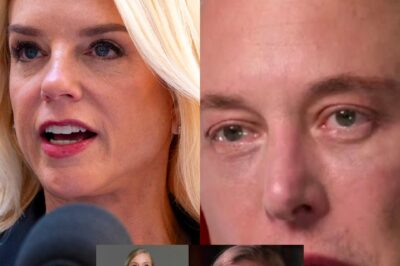
BONDI WARNS: EVERY PAGE IS WORTH A MILLION DOLLARS
BONDI WARNS: EVERY PAGE IS WORTH A MILLION DOLLARS!”Pam Bondi just held a fiery press conference, warning that Elon Musk’s…
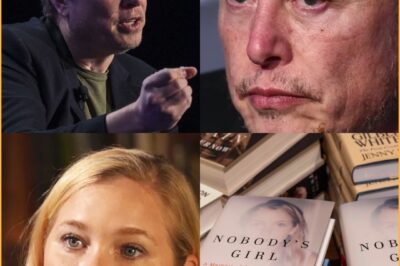
EVERY PAGE IS WORTH A MILLION DOLLARS” — ELON MUSK THUNDERS INTO ACTION WITH A $200 MILLION TRUTH CRUSADE!
“EVERY PAGE IS WORTH A MILLION DOLLARS” — ELON MUSK JUST SHOOK THE WORLD!Only hours after closing Virginia Giuffre’s chilling…
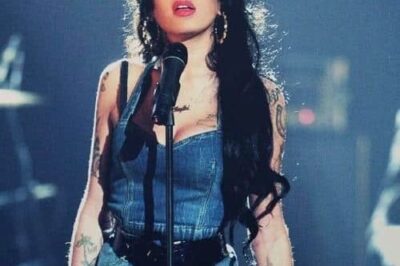
Amy Winehouse: In Her Words review poignant vignettes of a fledgling superstar.
Amy Winehouse, 12 years gone, was a perfectionist who hated revisiting the past. She was also a fiercely private artist…
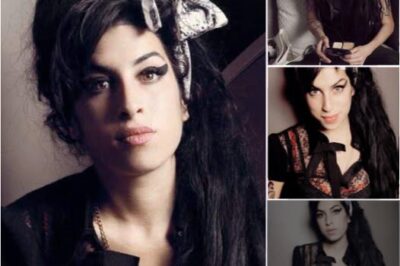
Amy Winehouse told The Big Reunion star Kavana to sort out his drug problem.
The Big Reunion’s Kavana has dropped the bombshell that his good friend Amy Winehouse was shocked by his drug and…
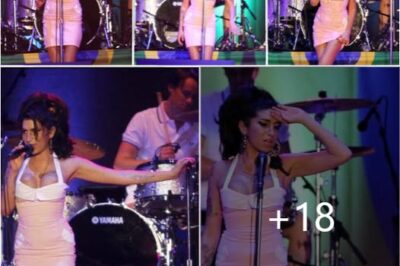
No money for Blake, as Amy Winehouse 3million fortune all goes to her mum and dad.
Amy Winehouse left behind a £3million fortune following her death last year, it has been revealed. The singer, who was…
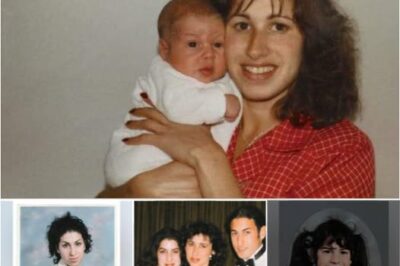
Amy Winehouse was not suicidal but hopeful about her future before death: dad.
Late British soul singer known for hits like ‘Back to Black,’ ‘You Know I’m No Good’ and ‘Rehab’ Fox News…
End of content
No more pages to load