
After over a decade together, melodic death metal masters Arch Enemy have parted ways with vocalist Alissa White-Gluz. Both parties have issued statements about the separation, which you can read below.
What Arch Enemy + Alissa White-Gluz Said
Earlier today (Nov. 23), both Arch Enemy and White-Gluz made the announcement on social media.
The band posted first, sharing an image of their logo with the following text: “Arch Enemy have parted ways with singer Alissa White-Gluz. We’re thankful for the time and music we’ve shared and wish her all the best. Wherever there is an ending, there is also a beginning. See you in 2026.”
Shortly thereafter, White-Gluz wrote a similar message:
After 12 years in Arch Enemy, we have parted ways. I am forever thankful to the thousands of amazing fans I have met along the way. Thank you, Beastligns! I can’t wait to share what I have been working on with you all (some big surprises in store). Stay tuned for big news in 2026 and see you very soon.
After 12 years in Arch Enemy, we have parted ways. I am forever thankful to the thousands of amazing fans I have met along the way. I can’t wait to share what I have been working on with you all. Stay tuned for big news in 2026 and see you very soon. pic.twitter.com/XvadeVLJ2o
How Have Fans Reacted to the News?
The news is certainly surprising given that Arch Enemy just completed their tour in support of 2025’s Blood Dynasty about a week ago (per setlist.fm). While no further details have been given about why they’ve parted ways or who’ll take White-Gluz’s place, fans have shared speculation and earnest reactions.
For instance, one user on X replied to White-Gluz’s post by saying, “While I am sad about you leaving Arch Enemy, I am happy because hopefully this means that your long awaited solo album is on the horizon. Best wishes Alissa.”
Similarly, someone else commented:
This certainly wasn’t on my 2025 bingo card. Worst news of 2025. Thank you for everything you’ve done for the band and good luck in your future endeavours. Looking forward to see what you’re gonna do next. I’m glad that at least I got to see you with Arch Enemy last year live.
Over on Instagram, one fan responded to White-Gluz’s upload by simply stating: “That’s the end of Arch Enemy.”
Elsewhere, another person confessed:
It’s so sad to read this unexpected news, but thank you so much for everything you contributed to Arch Enemy, for every album you created with them. Each one is my favorite and always will be. Sending lots of hugs and best wishes for your new projects, dear Blue Queen.
As for White-Gluz’s Facebook post, someone wondered:
If I remember correctly, Alissa was hand-picked by Angela to replace her ( which, in my opinion, was an excellent choice ). I wonder if Angela has anyone in mind to replace Alissa…or the band will go about choosing a different way. Either way, I’m looking forward to whatever Alissa is working on, and also looking forward to whoever Arch Enemy names as their new lead singer.
You can see those replies – and others – below:
While I am sad about you leaving Arch Enemy, I am happy because hopefully this means that your long awaited solo album is on the horizon. Best wishes Alissa.
— Jay Udell (@atrocity213) November 23, 2025
This certainly wasn’t on my 2025 bingo card. Worst news of 2025. Thank you for everything you’ve done for the band and good luck in your future endeavours. Looking forward to see what you’re gonna do next. I’m glad that at least I got to see you with Arch Enemy last year live.
— DxTrixterz (@DxTrixterz) November 23, 2025
every time I have seen you on tour you’ve always gotten more and more incredible, but I know you would come back even more incredible in 26
— 🇨🇦 James Barnes 🇨🇦 (@gopherboy316) November 23, 2025
I’m not crying you are! Love Arch Enemy and love @AWhiteGluz cannot wait to see what the next steps are for her!! and where Arch Enemy go from here! pic.twitter.com/XLblPgSC1o
— David Reay (@BloodVengance) November 23, 2025
Seriously?! I really wanted Arch Enemy to come back to Japan with Alissa on vocals again, but I wish all the best in your future endeavors!🤘🏻🫶🎤
— よっしーです⭐︎ (@aventador1969) November 23, 2025
Kadının sesi gayet iyiydi de Arch Enemy için fazla tizdi. Agonistteyken baya beğenirdim Agonist’ten çıkınca onlar da Alissa’nın yerini dolduramadılar.
— Batu They (@batu_they) November 23, 2025
guys please say it was just a silly prank 🥲 https://t.co/qZfLY7cydd pic.twitter.com/Qq7SXlHvVQ
— Minikeys 💙💙 (@JungleShirai) November 23, 2025
As much as I am sad that Alissa and Arch Enemy parted ways, I think it’s really good for her. You could tell by her ig stories lately that they weren’t getting along as well and that she was really tired. I wish both sides well, and will continue to follow Alissa’s new path ♡
— 𝕶𝖎𝖙𝖐𝖆𝖙 ☆ | SAW LACUNA COIL (@4rsm0riendi) November 23, 2025
Arch Enemy bugün itibarıyla Alissa’yı kadrodan çıkardığını açıkladı. Kendisi grupla dört albüm kaydetti. War Eternal ve Deceivers, Arch Enemy diskografisinin güçlü işlerinden olurken; Will to Power grubun kariyerindeki en zayıf işlerden biri olarak kalmaya mahkum oldu. Blood…
— Cihan Yeşil (@chnysl) November 23, 2025
Interestingly, Arch Enemy have limited or prevented replies to their posts on Facebook, Instagram, and X.
More About Alissa White-Gluz’s History With Arch Enemy
White-Gluz officially joined Arch Enemy in early 2014 and took over for Angela Gossow (who left the vocalist position to focus on being the band’s business manager in addition to other things). At the time, Gossow explained [via Metal Hammer]:
Dear Arch Enemy fans. This is not easy to tell you. I have decided to step down from being Arch Enemy’s voice of anger. After 13 years of pure fucking metal, six studio albums and countless tours through five continents, I feel the need to enter a different phase in my life, be with my family and pursue other interests. I will however remain business manager for Arch Enemy, and I will continue to develop my artist management roster. I am staying true to my heavy metal roots, just leaving the spotlight so to speak. I am passing the torch to the super talented Alissa White-Gluz, whom I’ve known as a dear friend and a superb vocalist for many years. I always thought she deserved a chance to shine – and now she’s getting it. Just like I got that chance back in 2001.
Previously, White-Gluz formed and sang for The Agonist, and she made her studio debut with Arch Enemy on their ninth LP, 2014’s War Eternal. She went on to create three more studio records with the group – 2017’s Will to Power, 2022’s Deceivers and 2025’s Blood Dynasty – in addition to multiple live albums. Of course, the White-Gluz era of Arch Enemy also toured the world alongside notable acts such as Trivium, Fit for an Autopsy, Amorphis, Eluveitie and Kreator.
ADVERTISEMENT
Other Arch Enemy + Alissa White-Gluz News
The deluxe edition of Blood Dynasty – which includes several bonus tracks – came out last month (about seven months after the original release). As of now, and as alluded to in their statement above, Arch Enemy are still gearing up to hit the road during the summer of 2026 by stopping by Austria, Romania, Belgium and Germany. You can see all of their upcoming dates – and grab tickets – here.
As this story was being written, White-Gluz shared a snippet of (and lyrics for) a song called “The Room Where She Died” from her upcoming solo album. Whether the album (and her solo career in general) is related to her departure from Arch Enemy remains to be seen.
ADVERTISEMENT
White-Gluz explains:
I hope you love this first offering from my upcoming solo album. You can watch the whole video on my YouTube Channel. “The Room Where She Died” is a song that feels truly satisfying to me; like I get to express myself in so many ways that have been dormant for years. This upcoming album is diverse; and I love the idea of opening up this new chapter with this song and video, which I wrote the script for. Can’t wait to share more with you!
You can see that post below:

Vinyl Records
Arch Enemy – Blood Dynasty
Regular price $74.98
The Best Metal Song of Each Year Since 1970
See Loudwire’s picks for the Best Metal Songs of Each Year Since 1970.
Gallery Credit: Loudwire Staff
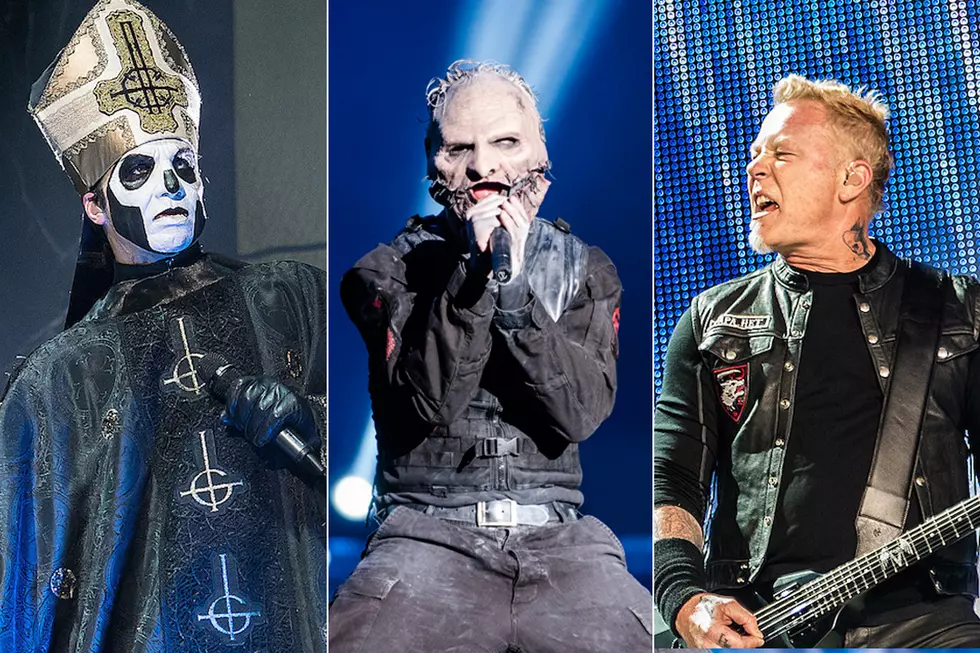
Best Metal Song of Each Year Since 1970
Evil Robb Photography / Raphael Dias, Getty Images / Kevin RC Wilson, Loudwire
Best Metal Song of Each Year Since 1970
Scroll through the gallery to see the Best Metal Song of Each Year Since 1970.
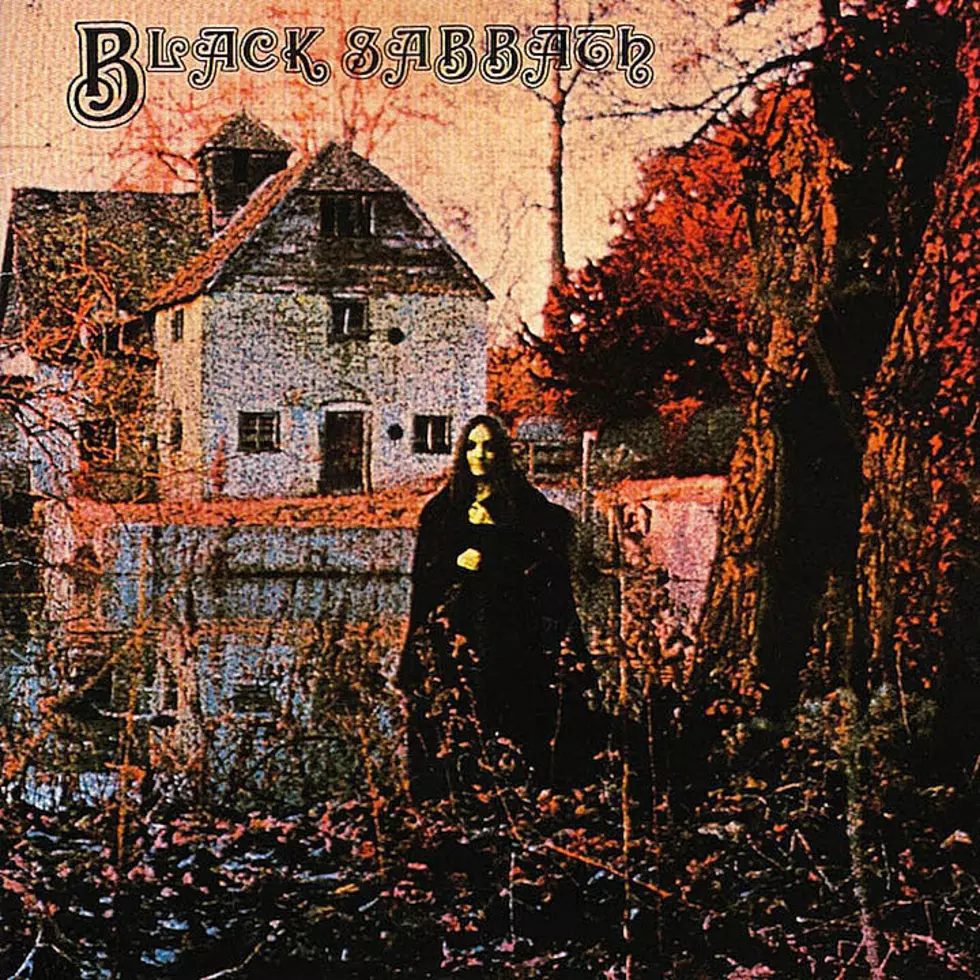
1970: Black Sabbath, Black Sabbath (Black Sabbath)
Vertigo / Warner Bros.
1970: Black Sabbath, “Black Sabbath” (‘Black Sabbath’)
Runner-up: Black Sabbath, “Paranoid”
It all starts here. Tony Iommi’s three-note guitar riff (known as “Diabolus in musica,” or “the devil’s interval”) starts the song, and the album, off with a feeling of dread, and “Black Sabbath” only gets even creepier from there, with Ozzy Osbourne’s haunted vocals and Bill Ward’s wild, free-jazz inspired drumming. Geezer Butler’s doomy bass plunking added to the vibe, but it was his lyrics that set the tone for the album, the band, and heavy metal in general: “Is it the end, my friend/Satan’s coming ’round the bend/People running ’cause they’re scared/The people better go and beware!” In the decades since, metal has gotten louder, faster and gorier. But it’s never gotten heavier — or better — than this. (BI)
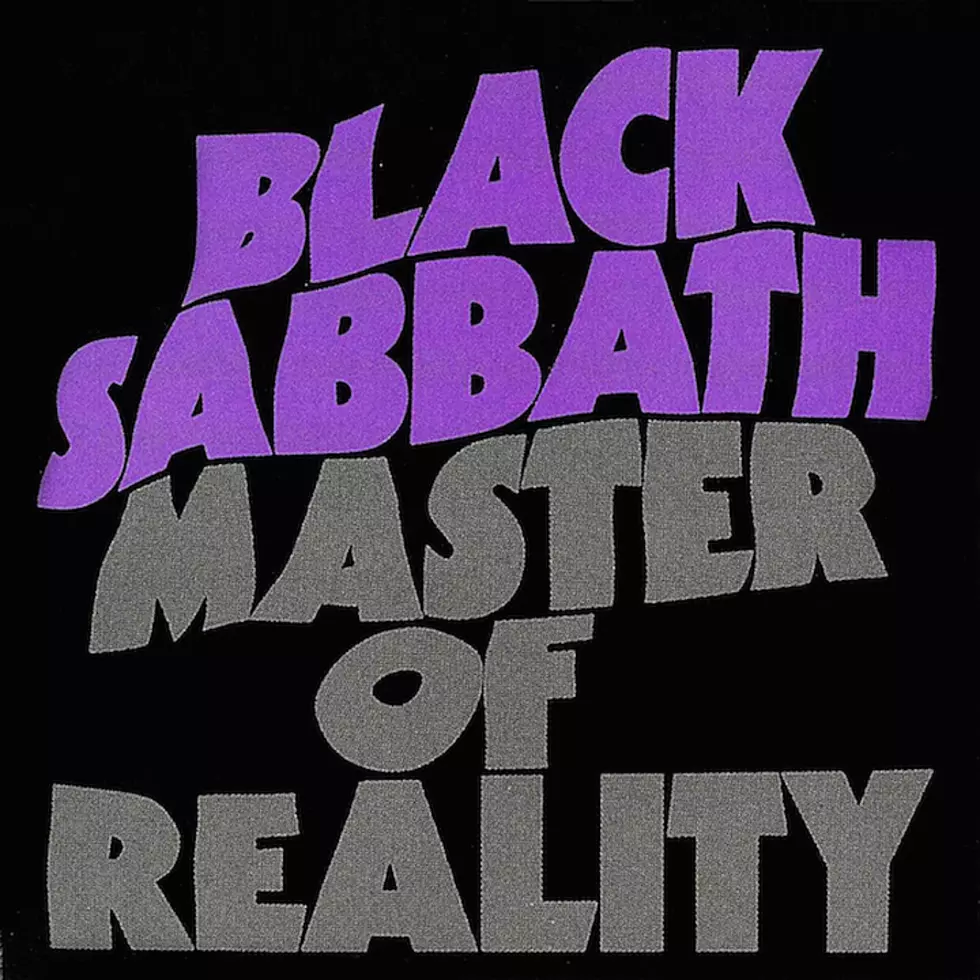
1971: Black Sabbath, Sweet Leaf (Master of Reality)
Vertigo / Warner Bros.
1971: Black Sabbath, “Sweet Leaf” (‘Master of Reality’)
Runner-up: Black Sabbath, “Children of the Grave”
There’s a lot to love with “Sweet Leaf”: it’s an ode to marijuana that features heavy, sludgy riffs, shredding lead breaks and wild drum fills. So, yeah, “Sweet Leaf” is the blueprint for what we now refer to as stoner rock. And as the good fight for national legalization here in America rages on, the lyrics are still as relevant as ever. “Straight people don’t know what you’re about / They put you down and shut you out / You gave to me a new belief / And soon the world will love you, sweet leaf.” (KI)
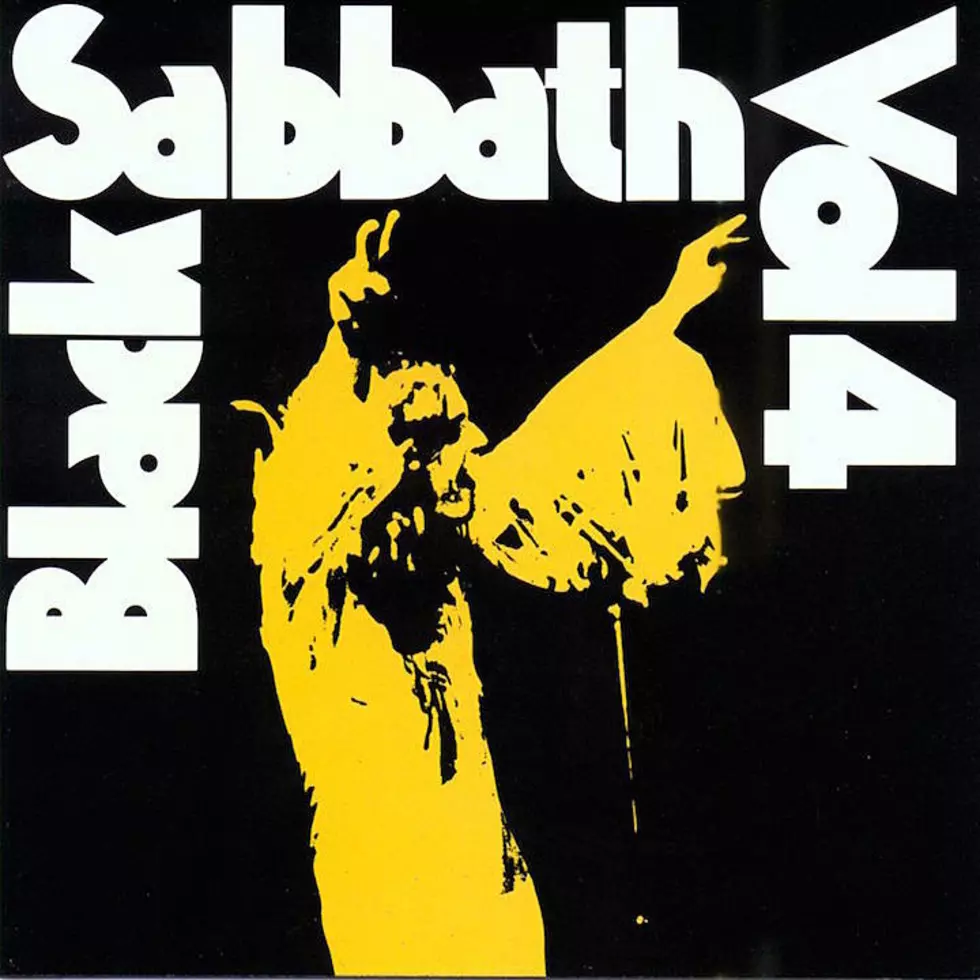
1972: Black Sabbath, Supernaut (Vol. 4)
Vertigo / Warner Bros.
1972: Black Sabbath, “Supernaut” (‘Vol. 4’)
Runner-up: Deep Purple, “Smoke on the Water”
Erudite critics may point to Blue Cheer, MC5, and The Stooges as pioneers of proto-metal, and they may be right, but “metal” didn’t earn its blackened stripes until Black Sabbath erupted on the scene and forged the path for the yet-to-be-named genre. “Supernaut,” From Sabbath’s fourth straight classic, ‘Vol. 4,’ is a monolith of euphoria and drug-dazed abandon. Guitarist Tony Iommi leads the barrage with a psychedelic, bluesy lick that becomes the main jam-out motif of the song. Equally powerful is the granite-solid riff that drives the verses, which are rife with trippy imagery: “I want to reach out and touch the sky/ I want to touch the sun but I don’t need to fly.” And bassist Geezer Butler’s loose, mid-song fills coupled with Bill Ward’s wild tribal percussion takes the number further into the stratosphere. (JW)

1973: Black Sabbath, Sabbath Bloody Sabbath (Sabbath Bloody Sabbath)
Vertigo
1973: Black Sabbath, “Sabbath Bloody Sabbath” (‘Sabbath Bloody Sabbath’)
Runner-up: Black Sabbath, “Killing Yourself to Live”
Maybe the ultimate proof that great art requires as much perspiration as inspiration, the best metal song of 1973 emerged from a crippling case of writer’s block on the part of Black Sabbath guitarist and chief songwriter, Tony Iommi. By all four band members’ own admission, Black Sabbath had succumbed to a lot of bad habits of the chemical persuasion after four grueling tours in support of four classic albums, so when they set to work on their fifth, their creative well was pretty much dry. But a change of scenery — from the Hollywood hills to a haunted English castle — eventually (and not surprisingly) stoked the fires of Iommi’s riff factory, producing one of their most iconic songs in “Sabbath Bloody Sabbath,” the highlight of arguably the final classic LP of the Ozzy era. (ER)
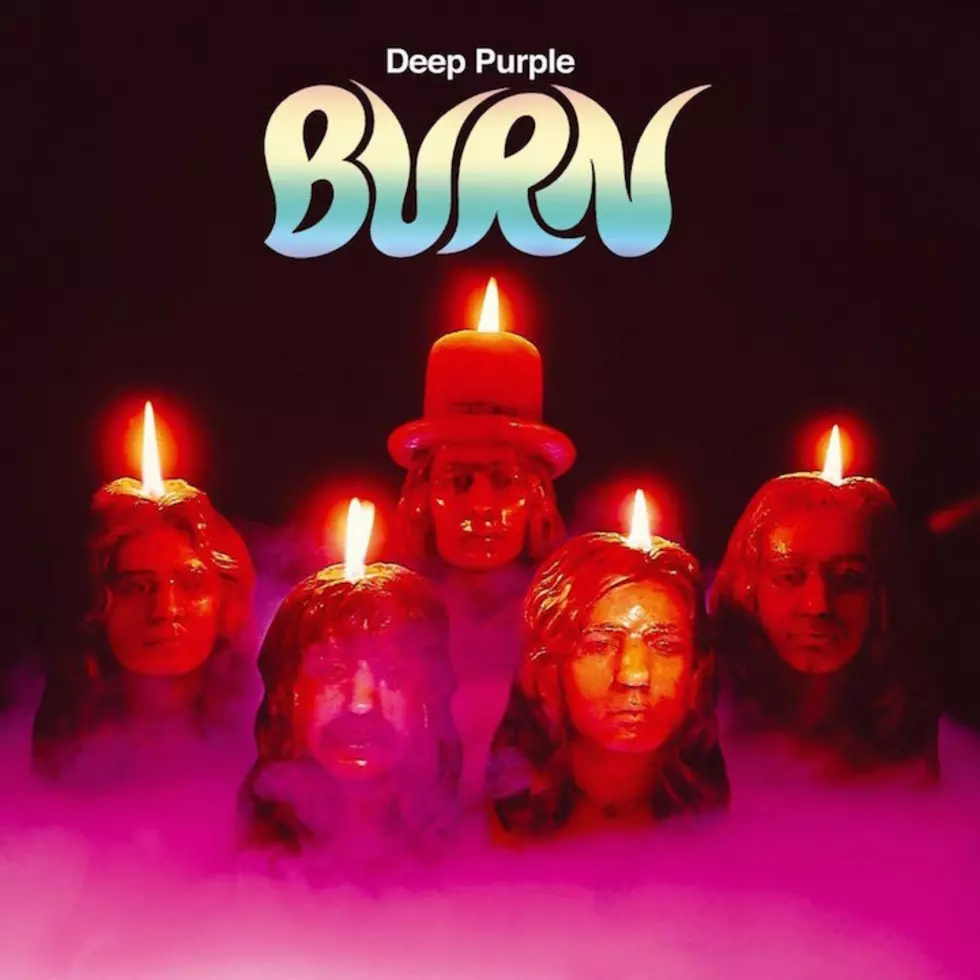
1974: Deep Purple, Burn (Burn)
Warner Bros.
1974: Deep Purple, “Burn” (‘Burn’)
Runner-up: Queen, “Stone Cold Crazy”
Sorry, Glenn Hughes — you wrote a metal song! While the high-singing, hard-plucking Deep Purple newbie preferred R&B, funk and soul (as did Purple’s singer, the equally fresh-faced David Coverdale), the title track to Purple MK III’s first effort is, well, a burner. Ritchie Blackmore’s roaring guitar intro to “Burn” is reintroduced again and again, and each time, the band charges harder and with more vigor, making it the most unrelenting song in the Purple catalog and a billowing signal that even in their third incarnation, Purple still had something to say. (JD)
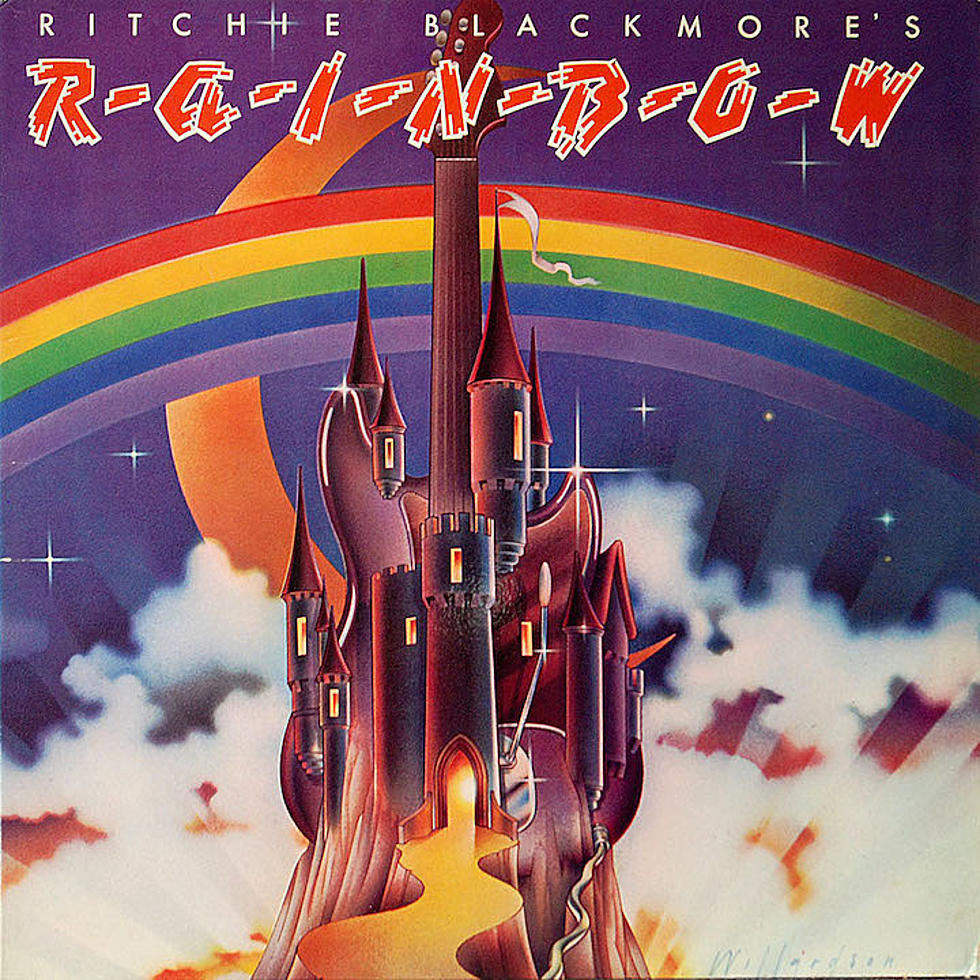
1975: Rainbow, Man on the Silver Mountain (Ritchie Blackmores Rainbow)
Polydor
1975: Rainbow, “Man on the Silver Mountain” (‘Ritchie Blackmore’s Rainbow’)
Runner-up: Black Sabbath, “Symptom of the Universe”
By 1975, heavy metal had been around for half a decade, and many of its original instigators were faltering — even the holy trinity of Black Sabbath, Led Zeppelin and Deep Purple were starting to show cracks in their armor. An injection of fresh blood was sorely needed, and Purple founder and guitar god Ritchie Blackmore knew it, so he cut loose from his old group to make a new start with Rainbow, which was initially comprised of four fifths of American boogie rockers Elf. Ah, but one of those members was a singer named Ronnie James Dio, and, together with Blackmore, he would orchestrate a brand new strain of metal, characterized by epic compositions and fantasy-based lyrics. “Man On the Silver Mountain,” the lead track from the band’s debut album, not only signaled a new start for Blackmore, but it also introduced one of metal’s most iconic vocalists. (ER)

1976: Judas Priest, Victim of Changes (Sad Wings of Destiny)
Gull
1976: Judas Priest, “Victim of Changes” (‘Sad Wings of Destiny’)
Runner-up: Rainbow, “Stargazer”
After releasing their poorly-mixed and largely uninspiring debut ‘Rocka Rolla’ in 1974, Judas Priest more than made up for any lost ground with their sophomore album ‘Sad Wings of Destiny.’ In addition to featuring the classics “The Ripper,” “Genocide” and “Tyrant,” the record sported one of the first and best prog metal epics, “Victim of Changes.” Opening the album and clocking in at a then-lengthy 7:54, the track exhibited Priest’s new, heavier direction — a combination of propulsive classic rock rhythms and Sabbathy riffs. The song is composed of about seven distinct parts, yet it never seems overblown. It might be Priest’s finest moment. All the elements are there: the opening twin guitar attack, the infectious riff and Halford’s wailing vocals. There’s also some blues jamming, and also Halford’s underrated lower register. Timeless. (JW)

1977: Scorpions, Sails of Charon (Taken by Force)
RCA
1977: Scorpions, “Sails of Charon” (‘Taken by Force’)
Runner-up: Judas Priest, “Sinner”
For the most part, The Scorpions’ 1977 album ‘Taken By Force’ leans more towards the poppier side of metal. Sails of Charon” is an exception: it is easily the heaviest cut from that album. Uli Jon Roth’s solo from this song is credited as one of Kirk Hammett’s biggest influences; Metallica’s lead guitarist has cited his obsession with learning the solo as a formative moment in his life. Testament and Yngwie Malmsteen have covered the song; it’s an underrated moment in the Scorpions’ career, but one of their most important. (KI)
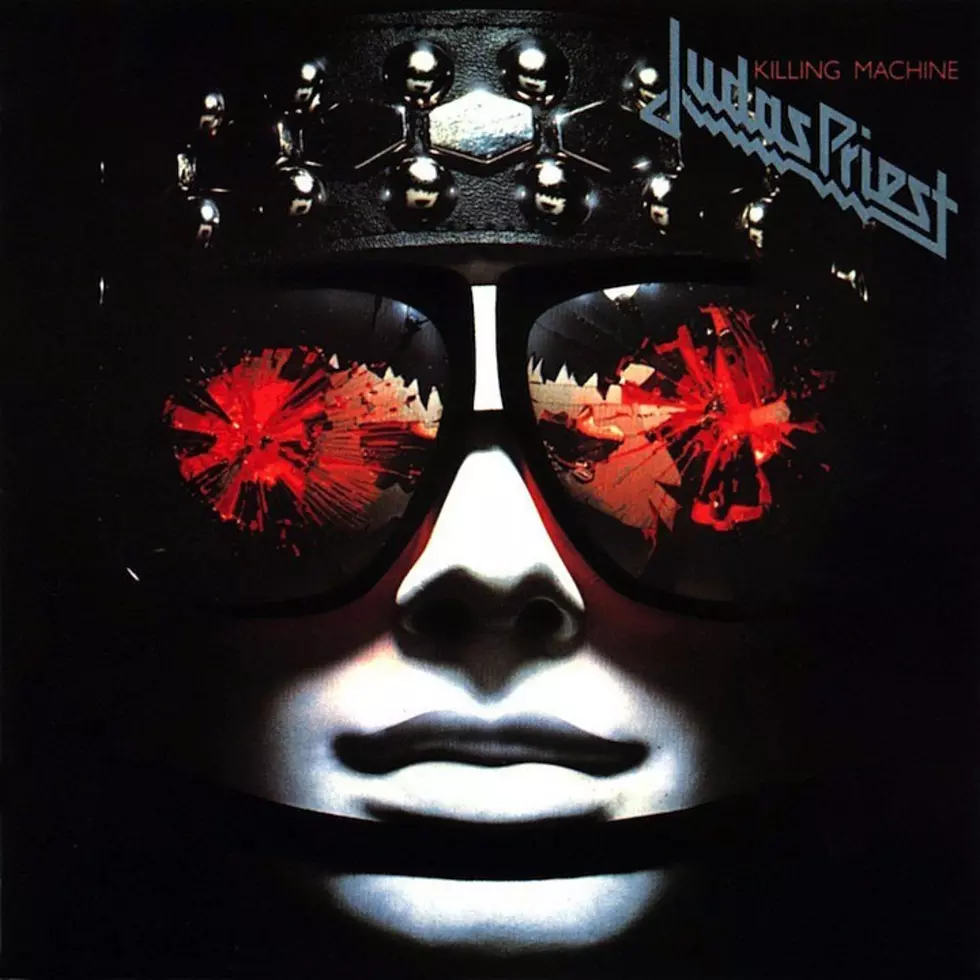
1978: Judas Priest, Hell Bent for Leather (Killing Machine)
Columbia
1978: Judas Priest, “Hell Bent for Leather” (‘Killing Machine’)
Runner-up: Judas Priest, “Beyond the Realms of Death”
By 1978, hard rock and heavy metal had been around for nearly a decade, but with the release of ‘Stained Class,’ Judas Priest defined metal’s look and sound. “Hell Bent for Leather” was more than a song — it was a mission statement. Studded leather gear and leather accessories from S&M shops became the image to unify the budding new genre and its headbanging followers, while Rob Halford’s operatic vocals and the K.K. Downing/Glenn Tipton guitar attack created the template that many metal bands still follow today. (JD)
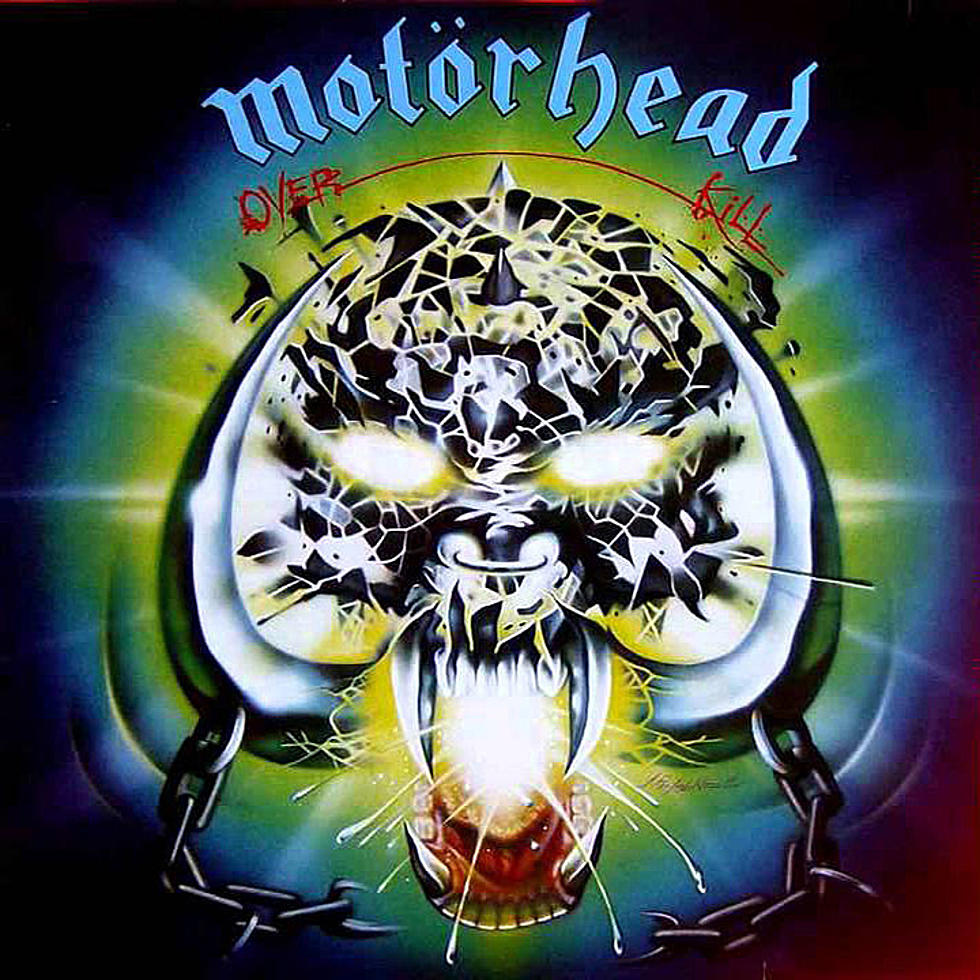
1979: Motorhead, Overkill (Overkill)
Bronze
1979: Motorhead, “Overkill” (‘Overkill’)
Runner-up: Scorpions, “Lovedrive”
“Overkill” is one of those songs that can be identified within a mere second; Phil Taylor’s insanely fast opening drum fill is iconic. Motorhead have always created a strange brew of early rock and roll, punk and garage rock. However, “Overkill” is pure, undiluted speed metal. The three fake-out endings are also a brilliant touch; it’s the band’s way of teasing the listener and saying “You thought we were done? Nah. We’ve still got more and we’re never tiring out!” The song’s legacy doesn’t end with Motorhead. In the ‘80s, it was what inspired a couple of now-legendary thrashers from New Jersey to call themselves Overkill. (KI)
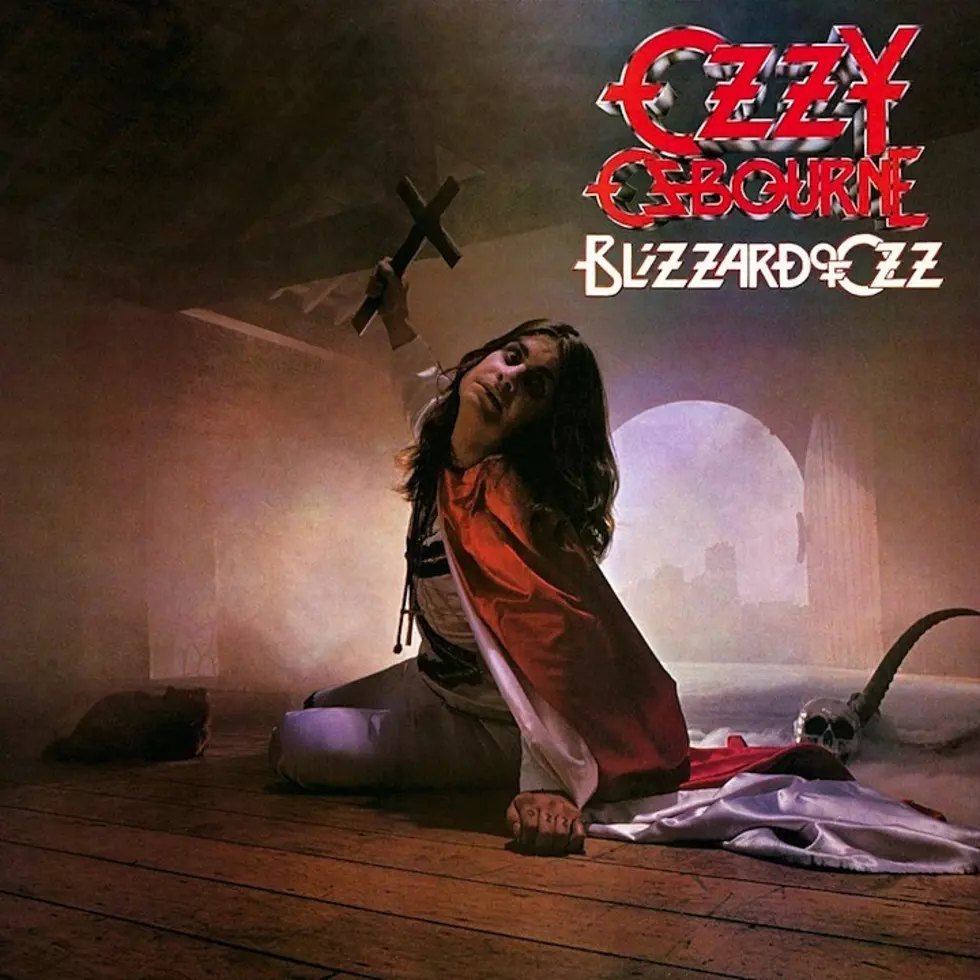
1980: Ozzy Osbourne, Crazy Train (Blizzard of Ozz)
Jet
1980: Ozzy Osbourne, “Crazy Train” (‘Blizzard of Ozz’)
Runner-up: Black Sabbath, “Heaven and Hell”
Sacked by Black Sabbath, Ozzy Osbourne’s future was in doubt, but with some encouraging from Sharon Arden (later Mrs. Osbourne) he cut a solo record, landing the wunderkind guitarist Randy Rhoads. “Crazy Train,” the second track on Ozzy’s solo debut, ‘Blizzard of Ozz,’ is a revolutionary exercise in speed metal guitar filled with neoclassical lead work that inspired a generation to take a more technical approach to guitar. Six-string heroics aside, this is one of the best and most popular songs in the Osbourne cannon. Though Randy Rhoads’ career was tragically cut short after just 25 years on the planet, and after recording only four albums (two with Quiet Riot, two with Ozzy), his legacy is set in stone, and this song is a big reason why. (JD)

1981: Iron Maiden, Wrathchild (Killers)
EMI
1981: Iron Maiden, “Wrathchild” (‘Killers’)
Runner-up: Ozzy Osbourne, “Over the Mountain”
The only track from their second record ‘Killers’ that Iron Maiden still regularly include in their set, “Wrathchild” is an effective bridge between the punchy, punk-influenced songs the band performed with original vocalist Paul Di’Anno and the more dramatic and anthemic material they’ve played with Bruce Dickinson. “Wrathchild” features trademark galloping Steve Harris bass lines, some pyrotechnic lead and rhythm guitars and a simple shout-along chorus. At 2:55, “Wrathchild” swoops down, wreaks havoc and departs like the wrathful rogue in the song. (JW)
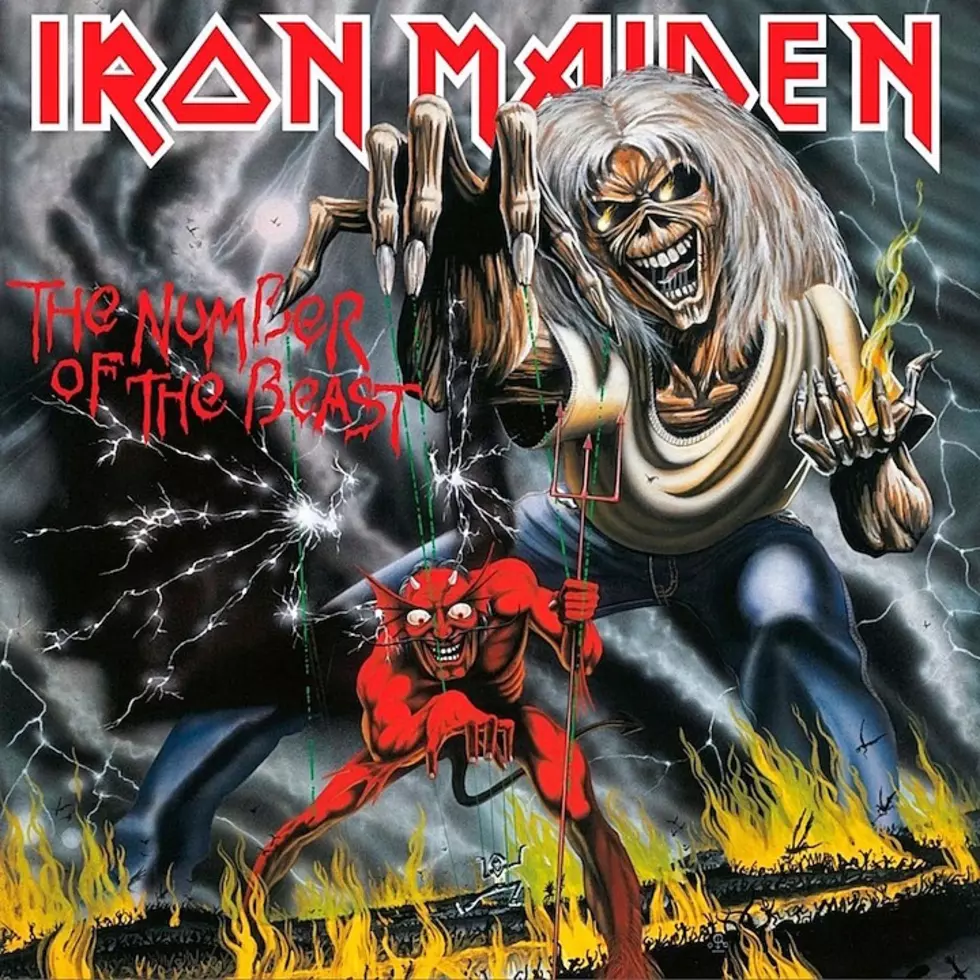
1982: Iron Maiden, Hallowed Be Thy Name (The Number of the Beast)
EMI
1982: Iron Maiden, “Hallowed Be Thy Name” (‘The Number of the Beast’)
Runner-up: Iron Maiden, “The Number of the Beast”
The very definition of a heavy metal epic, “Hallowed Be Thy Name” encapsulates every key ingredient that constitutes Iron Maiden’s signature sound: the melody, the power, the prog-like precision, the cathartic speed metal gallop, plus the evocative lyrics blending history, fantasy and adventure. In a career defined by lengthy, ambitious compositions, arguably no other Maiden masterpiece achieves such a perfect balance. “Hallowed By Thy Name” does it without overstaying its welcome. (ER)
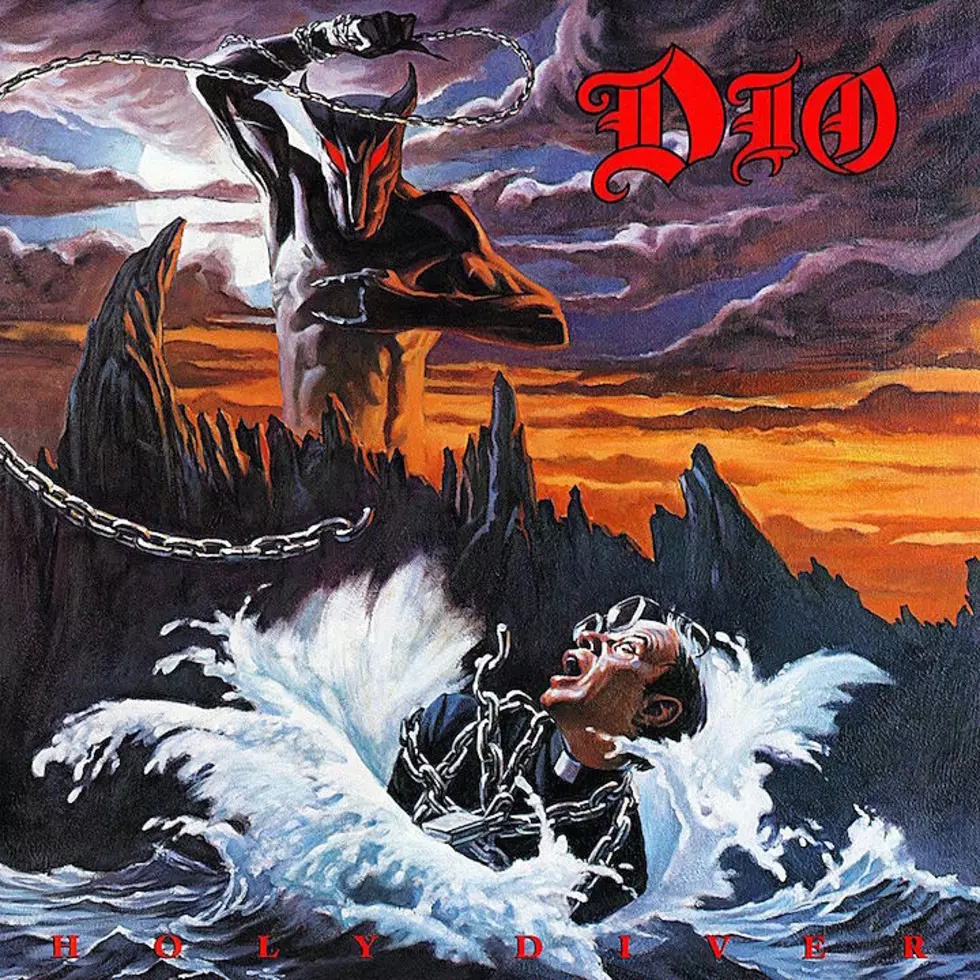
1983: Dio, Holy Diver (Holy Diver)
Warner Bros.
1983: Dio, “Holy Diver” (‘Holy Diver’)
Runner-up: Iron Maiden, “The Trooper”
From forming Rainbow with ex-Deep Purple guitar god Ritchie Blackmore, to helping Black Sabbath’s phoenix-like post-Ozzy rebirth, to forming his own band, Ronnie James Dio appeared to have metal’s Midas touch, spinning gold from whatever lineup he was a part of. Taking drummer Vinny Appice with him after leaving Sabbath, he re-enlisted his former Rainbow bandmate, bassist Jimmy Bain and sought out hotshot axeman Vivian Campbell for the ‘Holy Diver’ album. Its thumping title track boasts an immortal riff and such mystic, cryptic lyrics that fascinate metal fans, even if they don’t know what the they mean. And from here, it was clear that Ronnie’s third act would be equally as impactful as his first two. (JD)

1984: Metallica, Creeping Death (Ride the Lightning)
Megaforce
1984: Metallica, “Creeping Death” (‘Ride the Lightning’)
Runner-up: Judas Priest, “The Sentinel”
Inspired by the story of the Jewish high holiday, Passover, and the Angel of Death that killed the firstborn son of every Egyptian (as punishment for the Pharaoh’s enslaving of the Israelites), “Creeping Death” is a crunchy, catchy and multi-faceted piece of storytelling that rivals Iron Maidens’ “Rime of the Ancient Mariner,” released the same year. While guitarist Kirk Hammett wrote the middle section of “Creeping Death” as “ Die By His Hand” when he was in Exodus (their version of the track remains unreleased), the song is cohesive from start to finish, starting with a dramatic start-stop intro and morphing into one of Metallica’s most recognized riffs. The chorus — one of the band’s most popular live sing-alongs — is less chuggy, relying on sustained chords and melodic vocals. But melody never mars the heaviness of “Creeping Death,” which featured some excellent lead guitar from Hammett and the timeless metal chant, “Die, Die, Die, Die.” So let it be written, so let it be done. (JW)

1985: Exodus, Strike of the Beast (Bonded by Blood)
Combat
1985: Exodus, “Strike of the Beast” (‘Bonded by Blood’)
Runner-up: Anthrax, “Madhouse”
When thrash started to come into its own in the 1980’s, Exodus were perhaps the only American band at the time to really rival Slayer in brutality and ferociousness. It wasn’t just their violent, energetic performances that helped shape their legacy, it was also the straight up, no-frills, heaviness they brought to the table. While every song from ‘Bonded by Blood’ was a gem, “Strike of the Beast” was the most vicious, both lyrically and musically. When Exodus guitarist/songwriter Gary Holt first joined Slayer, in fact, they started including this song in their sets. It’s the most “Slayer-esque” moment in Exodus’ discography. It’s fast, it squeals, and the lyrics are fucking terrifying. (KI)
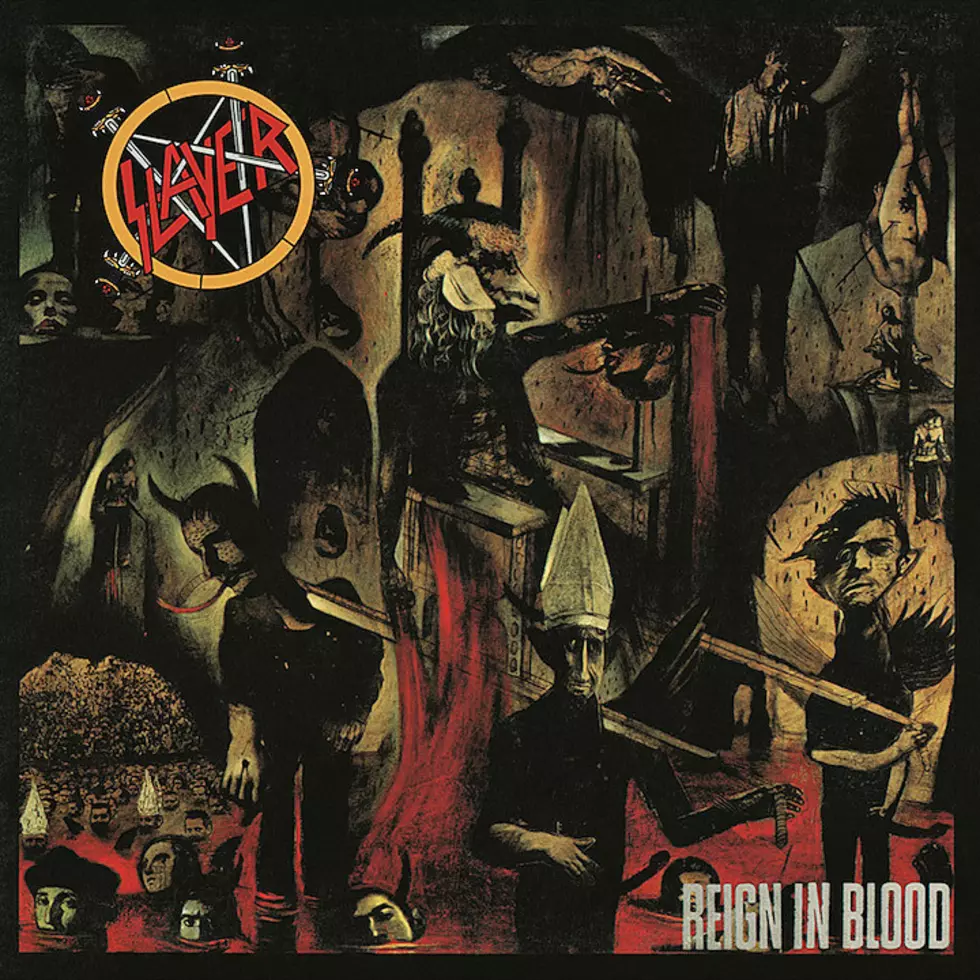
1986: Slayer, Angel of Death (Reign in Blood)
Def Jam
1986: Slayer, “Angel of Death” (‘Reign in Blood’)
Runner-up: Metallica, “Master of Puppets”
The “Angel of Death” Slayer refers to in its most famous and controversial song is not the same entity Metallica references in “Creeping Death.” As usual, Slayer’s motivation is far more vicious; in this case, the song chronicles the horrors of the Holocaust and the abhorrent exploits of Nazi “butcher” Josef Mengele. The song is thrash metal perfection. The intro roars in and turns the listener’s bowels to ice. The main riff is one of the best in thrash (and maybe all metal). The rhythmic shifts are fierce (especially the guitar-harmonies in the mid-paced mosh section). To add more fuel to the pyre, the scream-along chorus is as infectious as Ebola, the final leads are blood-chilling and the abrupt conclusion is as effective as the drop of a guillotine blade. (JW)

1987: Death, Zombie Ritual (Scream Bloody Gore)
Combat
1987: Death, “Zombie Ritual” (‘Scream Bloody Gore’)
Runner-up: King Diamond, “Abigail”
The ultimate achievement of Death’s career was that they continually drove, as well as defined, the cutting edge of death metal’s progression, until their dissolution in the late 1990s. However, back in 1987, Chuck Schuldiner’s peerless musical journey was only just beginning: he built his following on a series of influential demos (shared by fans via the global tape-trading network) with the first of many landmark albums, ‘Scream Bloody Gore.’ Here, Death led thrash’s transition into death metal, by beefing up the older style’s raw speed with thicker, chunkier guitars, more technique and tempo changes, and the new genre’s signature growl. No song illustrates this tipping point better than “Zombie Ritual,” which brings the best of all worlds together. (ER)

1988: Metallica, One (…And Justice for All)
Elektra
1988: Metallica, “One” (‘…And Justice for All’)
Runner-up: Slayer, “South of Heaven”
“The Black Album” may have turned Metallica into superstars, but it was “One,” from the rhythmically challenging ‘…And Justice For All,’ that marked Metallica’s acceptance in the mainstream. Outstanding in both content and execution, “One” tells the story of Dalton Trumbo’s book and film ‘Johnny Got His Gun,’ a tale of a World War I soldier whose arms, legs and face are blown off in battle, but whose cognitive abilities are unimpaired, rendering him a prisoner in his own head — until he learns to communicate through morse code. The song, which features the sounds of exploding shells and machine gun volleys, starts with mournful acoustic passages reminiscent of “Fade to Black” and builds with a melodic chorus. After a tuneful lead break the song bursts into a tension-filled staccato midsection, ending with a full-on thrash riff and one of Hammett’s best series of tuneful and rapid-fire solos. The breakthrough video — Metallica’s first — featured dialogue and footage from Trumbo’s film, turning the track into a trenchant multimedia experience. The song remains a pyro-filled staple of the band’s live show. (JW)
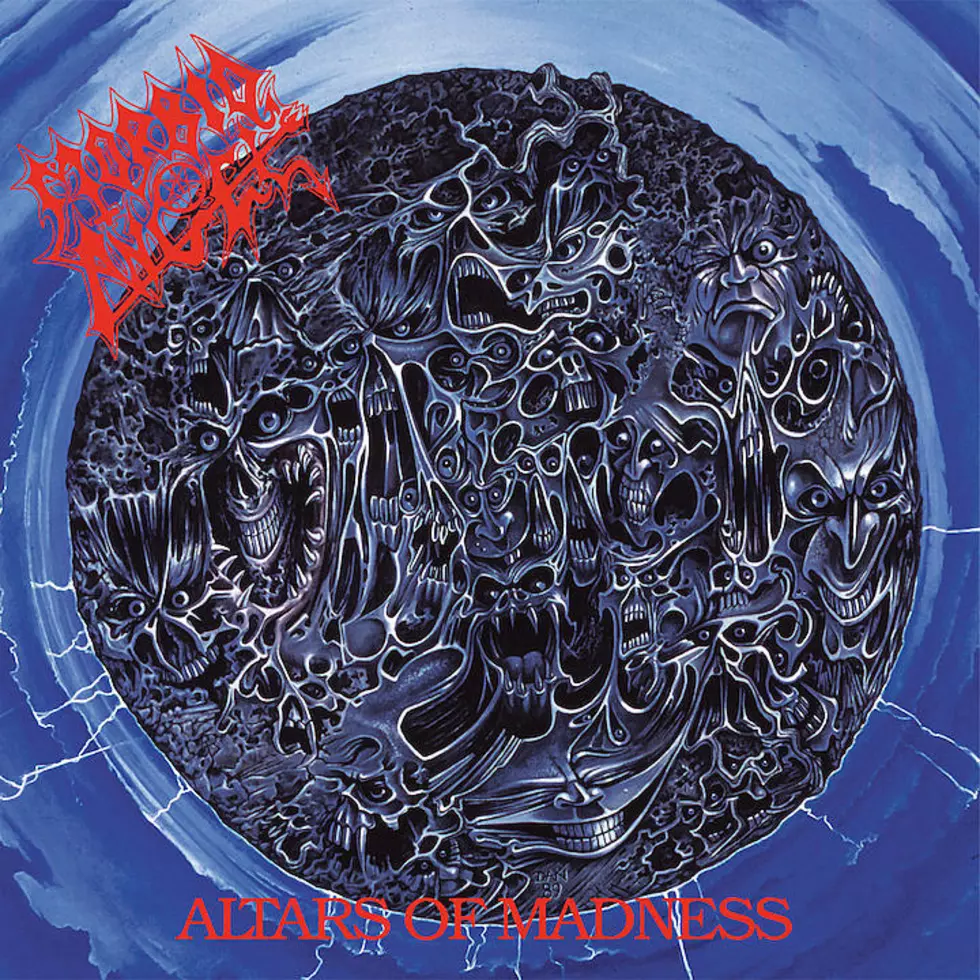
1989: Morbid Angel, Chapel of Ghouls (Altars of Madness)
Earache
1989: Morbid Angel, “Chapel of Ghouls” (‘Altars of Madness’)
Runner-up: Exodus, “The Toxic Waltz”
First appearing as the lead track on Morbid Angel’s 1986 demo, ‘Scream Forth Blasphemies,’ “Chapel of Ghouls” is, as its name suggests, a chilling death metal track. Properly released on the ‘Altars of Madness’ debut, this song demonstrated a razor-edged sense of death metal finesse. Trey Azagthoth’s heaving, eruptive guitar playing cemented him as a pillar of the U.S. scene that would soon break worldwide. Blasphemous and priest-crushing, “Chapel of Ghouls” opened up new possibilities as the extreme genre gradually found its foothold. (JD)

1990: Megadeth, Holy Wars… The Punishment Due (Rust in Peace)
Capitol
1990: Megadeth, “Holy Wars… The Punishment Due” (‘Rust in Peace’)
Runner-up: Pantera, “Cowboys From Hell”
With new guitar ace Marty Friedman in the band, Megadeth leader Dave Mustaine had found the perfect foil to raise his own six-string game, and thus, “Holy Wars…The Punishment Due” is not just a fantastic piece of songwriting, but also an absolute master class in dual guitar heroics. (ER)

1991: Metallica, Enter Sandman (Metallica)
Elektra
1991: Metallica, “Enter Sandman” (‘Metallica’)
Runner-up: Ozzy Osbourne, “No More Tears”
Having spent months on the road for the technically challenging ‘…And Justice For All,’ Metallica decided they were tired of writing and performing innovative thrash songs with endless rhythm and tempo shifts. So, with the help of mainstream producer Bob Rock, Metallica streamlined their sound, eschewing thrash for driving metal anthems and stadium-ready ballads. The commercial standout from the sessions for “The Black Album” was “Enter Sandman,” a tunefully nightmarish, mid-paced track that relied on simple, conventional rock structures to craft an extraordinary song with the unforgettable refrain that referenced childhood fears: “Exit light, enter night/ Take my hand/ We’re off to Never Neverland.” The longevity of “Enter Sandman” contributed to the tremendous success off the album, which was RIAA Certified at 16X platinum, and which is one of four albums to remain on the Billboard Hot 200 chart for 500 (non-consecutive) weeks. (JW)

1992: Pantera, Mouth for War (Vulgar Display of Power)
Atco
1992: Pantera, “Mouth for War” (‘Vulgar Display of Power’)
Runner-up: Dream Theater, “Pull Me Under”
At a time when heavy metal had its back against the wall, fighting a seemingly hopeless battle against grunge and alternative rock, Pantera proudly waved the metal flag! Yes, the Texan group had wasted years peddling second-rate hair metal nobody really cared for, but with 1990s ‘Cowboys from Hell,’ Phil Anselmo, Diamond Darrell, Rex Rocker and Vinnie Paul reinvented both themselves and metal. Then, two years later, came their coup de grace, via the aptly named ‘Vulgar Display of Power,’ slaying listeners without mercy via iconic tracks like “Walk,” “Fuckng Hostile,” and the fierce, brutal and (all together now) “DETERMINED!” “Mouth for War.” (ER)
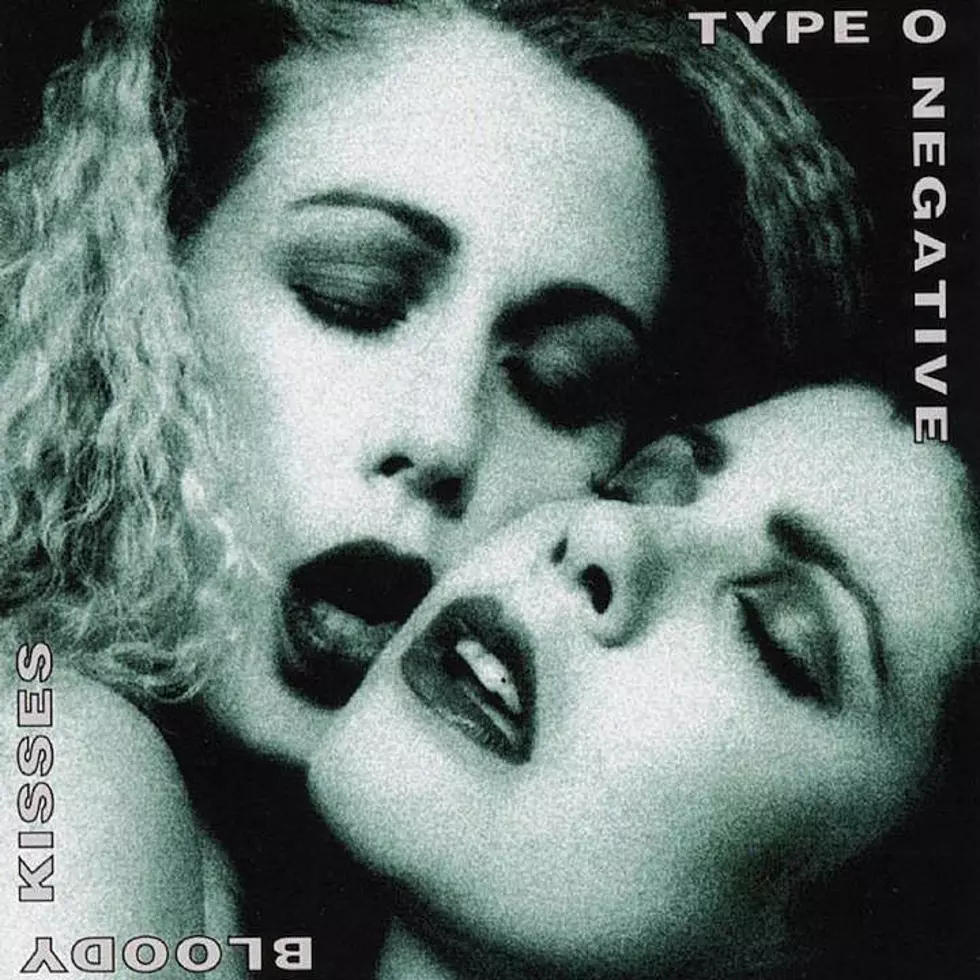
1993: Type O Negative, Black No. 1 (Bloody Kisses)
Roadrunner
1993: Type O Negative, “Black No. 1” (‘Bloody Kisses’)
Runner-up: Sepultura, “Refuse / Resist”
From the ashes of Carnivore rose Type O Negative, a gothic metal outfit that is one of the few “spin-off” bands to become more successful than the group it spun off from. What makes them so special is that they transcend genres, appealing to the punks, metalheads, and hardcore crowd despite their melodic sound. “Black No. 1” is a goth party classic that will always have everyone in the room singing, with the late Peter Steele: “Loving you is like loving the dead.” (KI)

1994: Pantera, Im Broken (Far Beyond Driven)
EastWest
1994: Pantera, “I’m Broken” (‘Far Beyond Driven’)
Runner-up: Megadeth “A Tout le Monde”
The first single from Pantera’s ‘Far Beyond Driven,’ “I’m Broken” was a galvanic, groovin’ and undeniable song that kicked off the album’s unrepentant assault. The album surprised the entire music industry by topping the Billboard album charts. “I’m Broken” is a clear illustration of why they had such strong fan support. The song starts with a bluesy, doomy riff, then blasts into a choppy fragmented passage while vocalist Phil Anselmo addresses mortality: “I wonder if we’ll smile in our coffins while loved ones mourn the day/ The absence of our faces, living, laughing, eyes awake.” Plagued by pain from years of physical abuse onstage, “I’m Broken” features just some of Anselmo’s lyrics that confront chronic pain and self-medicating. The mid-song breakdown is the perfect blend of crunch and swing and Dimebag’s solo starts out eight miles high and rockets into the outer limits of time and space. (JW)
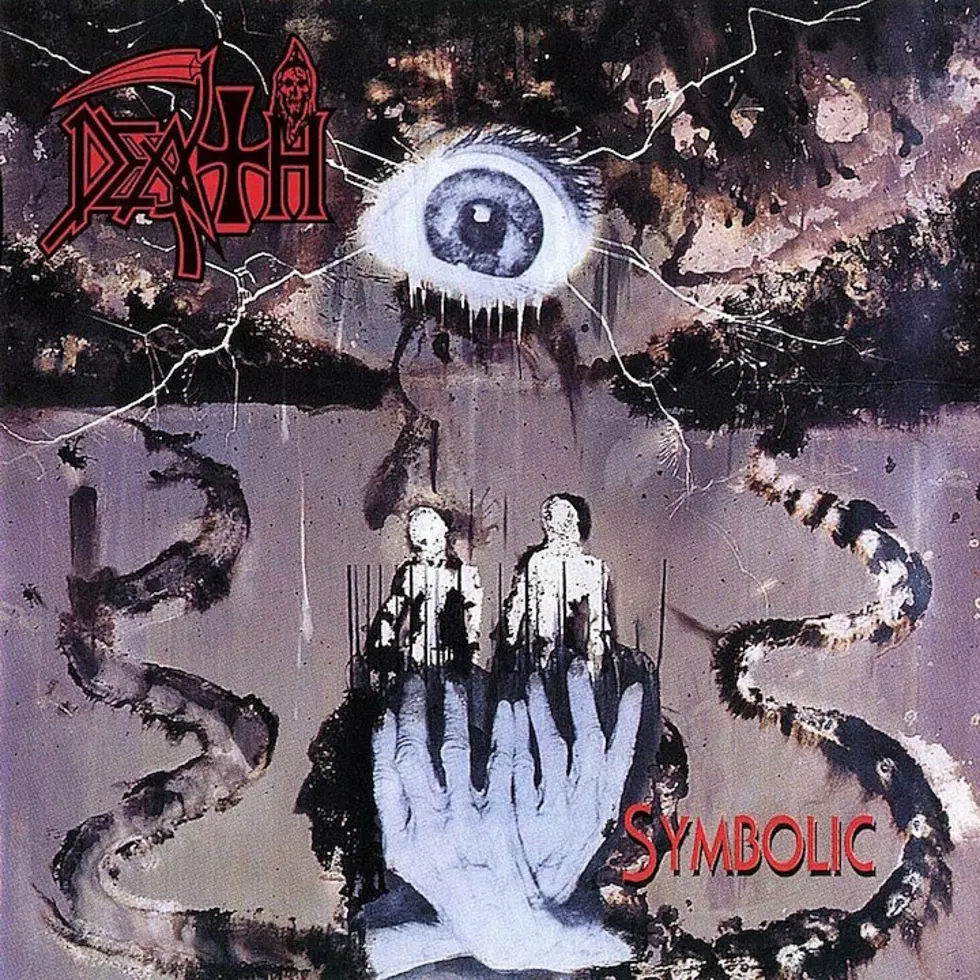
1995: Death, Crystal Mountain (Symbolic)
Roadrunner
1995: Death, “Crystal Mountain” (‘Symbolic’)
Runner-up: At the Gates, “Slaughter of the Soul”
Death are one of the rare bands whose got better with each album. By the time they dropped ‘Symbolic,’ they were one of the groups who defined the technical death metal genre. ‘Symbolic’ is near flawless, but “Crystal Mountain” is the album’s highlight. It’s got galloping riffs, smooth sweeps, and the “atomic clockwork” of one of the greatest tech metal drummers of all time, Gene Hoglan. (KI)
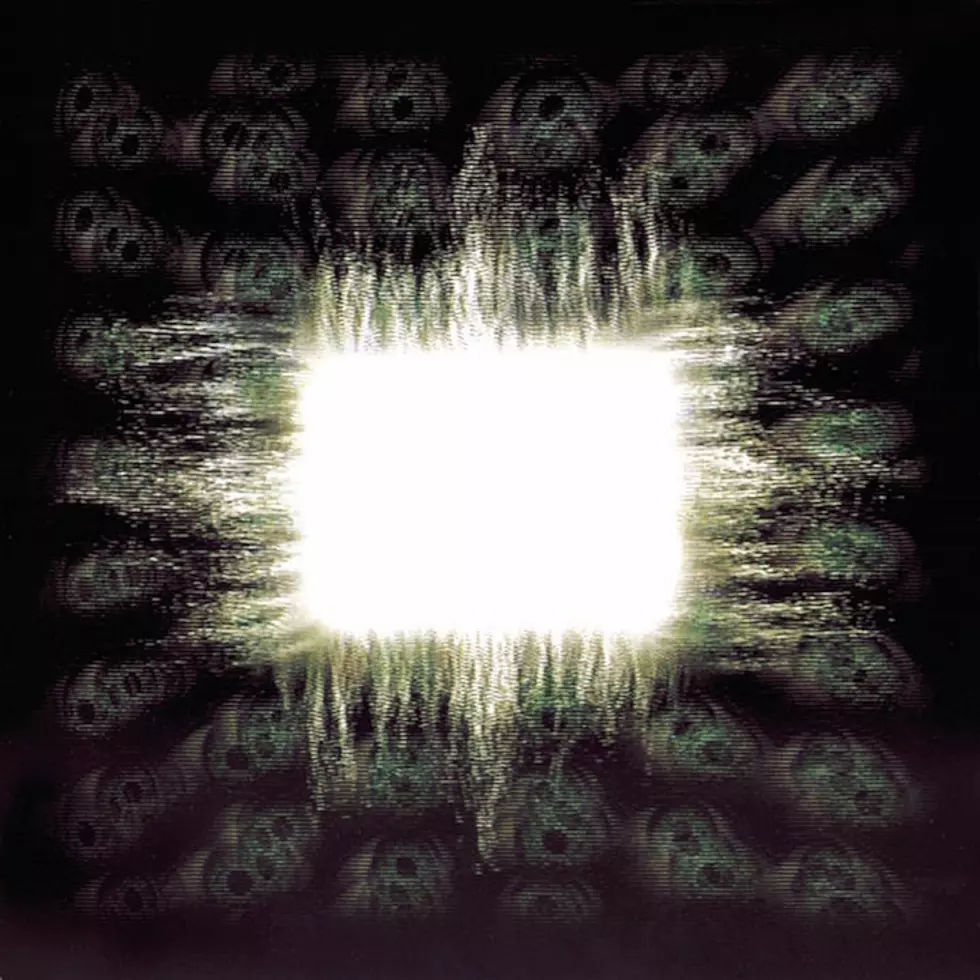
1996: Tool, Ænima (Ænima)
Zoo Entertainment
1996: Tool, “Ænima” (‘Ænima’)
Runner-up: Sepultura, “Roots Bloody Roots”
Who would have thought that a comedy routine from Bill Hicks would lead to an iconic metal song? In an instance of one genius fueling another, Hicks’ bit about Los Angeles breaking off from the U.S. and sinking into the Pacific Ocean resonated with Maynard James Keenan, who would himself abandon Tool’s home city for rural Arizona. Keenan takes aim at Scientologists, junkies, gangster wannabes, insecure actresses and more in “Ænema,” wishing for their deaths once the disaster hits. Though Tool’s lyrics to “Ænema” remain its central focus, Adam Jones brings one of his best riffs on the track, while Danny Carey’s ridiculous drum work devastates his rack and floor toms for six beautiful minutes. (GH)

1997: Rammstein, Du Hast (Sehnsucht)
Motor Music / Slash
1997: Rammstein, “Du Hast” (‘Sehnsucht’)
Runner-up: In Flames, “Jotun”
The first half of the 1990s was a particularly exciting time for industrial music, which bulldozed out of the underground and into the mainstream thanks to key acts like KMFDM, Nine Inch Nails, Ministry and Fear Factory; even White Zombie switched musical gears and joined in the fun. But just when industrial sounds were beginning to feel a little safe and stale, Germany’s Rammstein flew out of the deck like the ultimate wild card, and they didn’t even have to translate their songs into English to win over America. Instead, sinister singles like “Engel” and the irresistible “Du Hast,” from 1997’s ‘Sehnsucht’ album, paved the way for Rammstein to invade U.S. shores with their sonically devastating, visually provocative, and sexually incendiary shows, leaving jaws gaping from coast to coast. (ER)
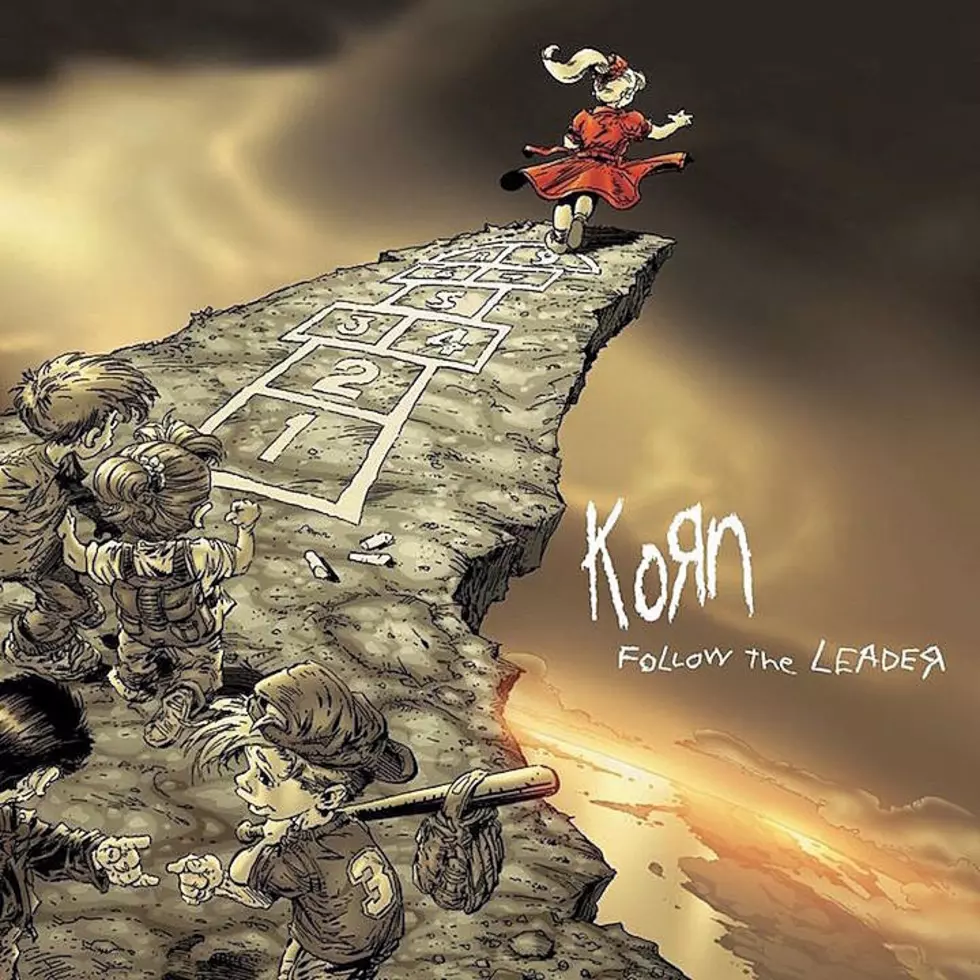
1998: Korn, Freak on a Leash (Follow the Leader)
Immortal / Epic
1998: Korn, “Freak on a Leash” (‘Follow the Leader’)
Runner-up: Opeth, “Demon of the Fall”
Perhaps Korn’s greatest single accomplishment, “Freak on a Leash” combines every element that makes the nu-metal pioneers unique, and condenses them into four perfect minutes. “Freak on a Leash” boasts groove, uncomfortable soundscapes, haunting lyrics, Jonathan Davis’ demented scatting and a brutally heavy instrumental bridge. The song was Korn’s highest point in their mainstream dominance, even taking ‘Total Request Live’s’ No. 1 spot away from the dastardly Backstreet Boys and ‘NSYNC. “Freak on a Leash” has withstood the test of time better than just about everything from the late ‘90s, with Bakersfield’s favorite dreadlocked groove merchants still crushing arenas and amphitheaters to this day. (GH)

1999: Slipknot, Wait and Bleed (Slipknot)
Roadrunner
1999: Slipknot, “Wait and Bleed” (‘Slipknot’)
Runner-up: The Dillinger Escape Plan, “43% Burnt”
In the summer of 1999, nine masked maniacs from Iowa dominated the second stage at the annual Ozzfest tour. It wasn’t just their high-energy performances and flare for theatrics that made them the “must-see” event of that summer, it was also their pure, unrelenting and sonically radical metal sound. Their self-titled album reanimated the genre, giving it a violent, yet refreshing, makeover. “Wait and Bleed” quickly became the hottest single from the album, likely because it showed the band’s versatility; they were able to throw down extreme metal, but could still maintain a melodic balance. It’s no wonder the album went platinum less than a year later. (KI)
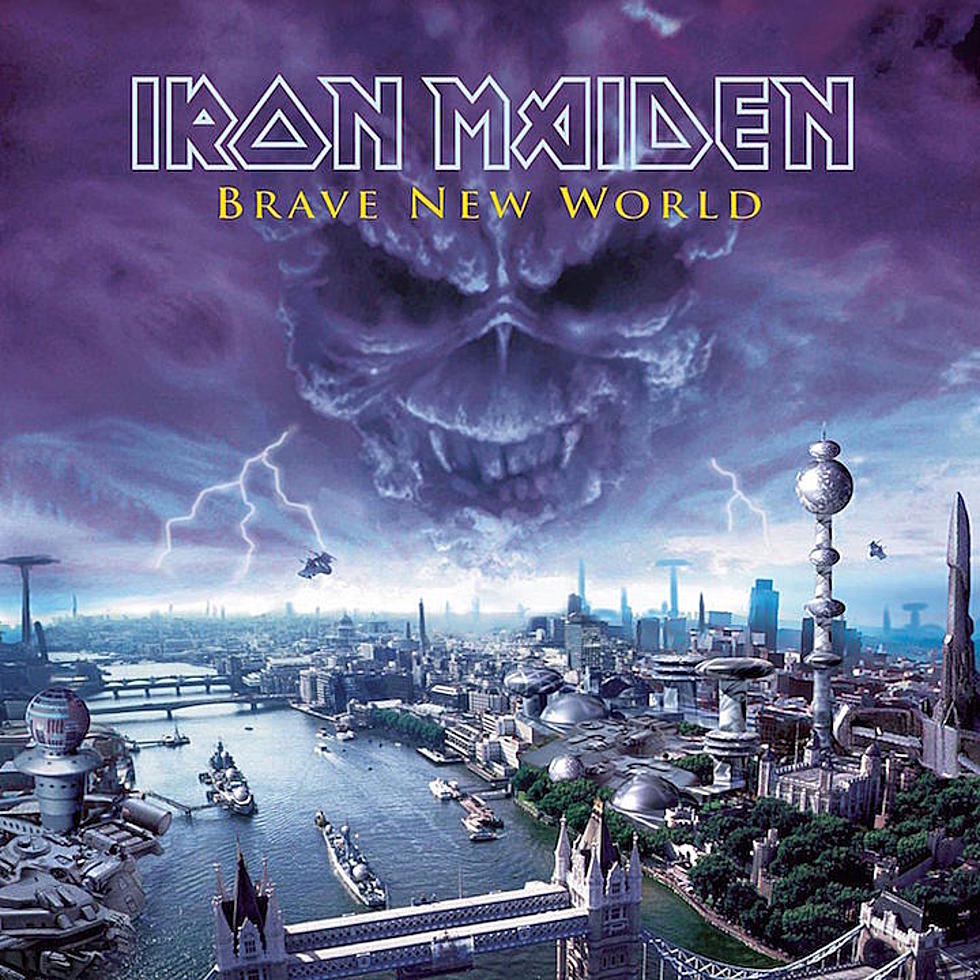
2000: Iron Maiden, The Wicker Man (Brave New World)
EMI
2000: Iron Maiden, “The Wicker Man” (‘Brave New World’)
Runner-up: Vader, “Wings”
After a tumultuous ‘90s stretch, Iron Maiden’s stock quickly rose once they reunited with Bruce Dickinson and Adrian Smith (they kept Smith’s replacement, Janick Gers, giving them a three-guitar attack). With the classic lineup restored, fans wondered how their new material would hold up to their classics. “Very well” was the answer, as evidenced by the ‘Brave New World’ lead single “The Wicker Man.” Punchy and bursting with melody, this track was the spark to the powder keg that has been Iron Maiden’s staggering 21st century run. (JD)
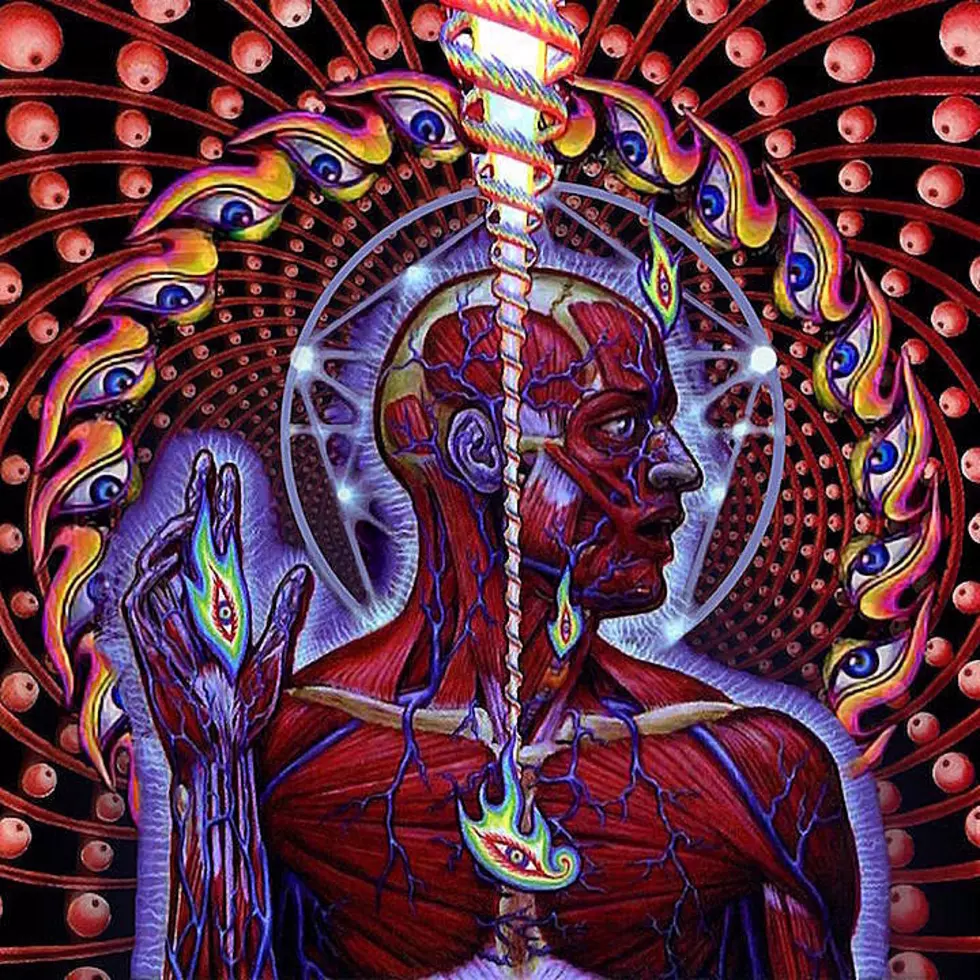
2001: Tool, Lateralus (Lateralus)
Volcano Entertainment
2001: Tool, “Lateralus” (‘Lateralus’)
Runner-up: System of a Down, “Aerials”
The cult of Tool would not exist without “Lateralus.” Beyond the song’s incredible main riff, pacing and composition, “Lateralus” has been embraced by fans as a legitimate self-help guide to navigating the twists and turns of life. Thanks to the song’s incredible impact, the line “Spiral out” is now a universal term amongst fans to motivate each other to continue through adversity. To affect fans so deeply with a song is the highest achievement a band can aim for, which is why we named “Lateralus” not just the best metal song of 2001, but it also topped our list of the best metal songs of the 21st century so far. (GH)

2002: Meshuggah, Rational Gaze (Nothing)
Nuclear Blast
2002: Meshuggah, “Rational Gaze” (‘Nothing’)
Runner-up: Mastodon, “March of the Fire Ants”
Like a beetle that, based on the traditional laws of physics, shouldn’t be able to take flight, Sweden’s Meshuggah saw their lopsided tempos and atonal, detuned guitars embraced by an unlikely number of metal fans and critics. But this success didn’t come overnight, and the group actually toiled at their unconventional craft for more than a decade, between their 1991 debut, ‘Contradictions Collapse,’ and their commercial peak with 2002’s ‘Nothing.’ “Rational Gaze” is one of their finest moments, and the highlight of ‘Nothing.’ (ER)
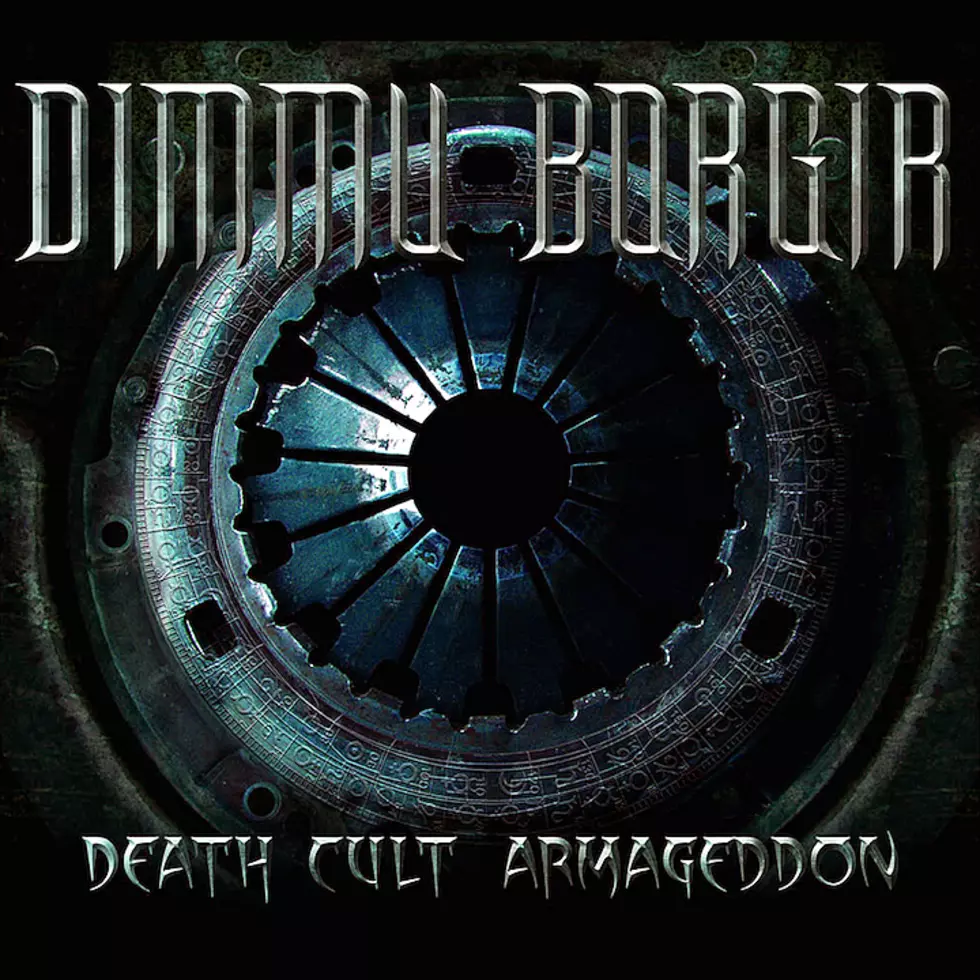
2003: Dimmu Borgir, Progenies of the Great Apocalypse (Death Cult Armageddon)
Nuclear Blast
2003: Dimmu Borgir, “Progenies of the Great Apocalypse” (‘Death Cult Armageddon’)
Runner-up: Iron Maiden, “Paschendale”
Seriously… how many movies and TV shows used “Progenies of the Great Apocalypse” for their soundtracks? The Dimmu Borgir masterwork features the greatest orchestral piece ever composed for a metal song, performed by the Prague Philharmonic. The experimental black metal piece goes far beyond the simple frostbitten style of Dimmu’s predecessors, favoring grand production and boundless instrumental layering. The mix of vocal styles between Shagrath and ICS Vortex are unforgettable as well, marking yet another leap in the progression of 21st century black metal. (GH)
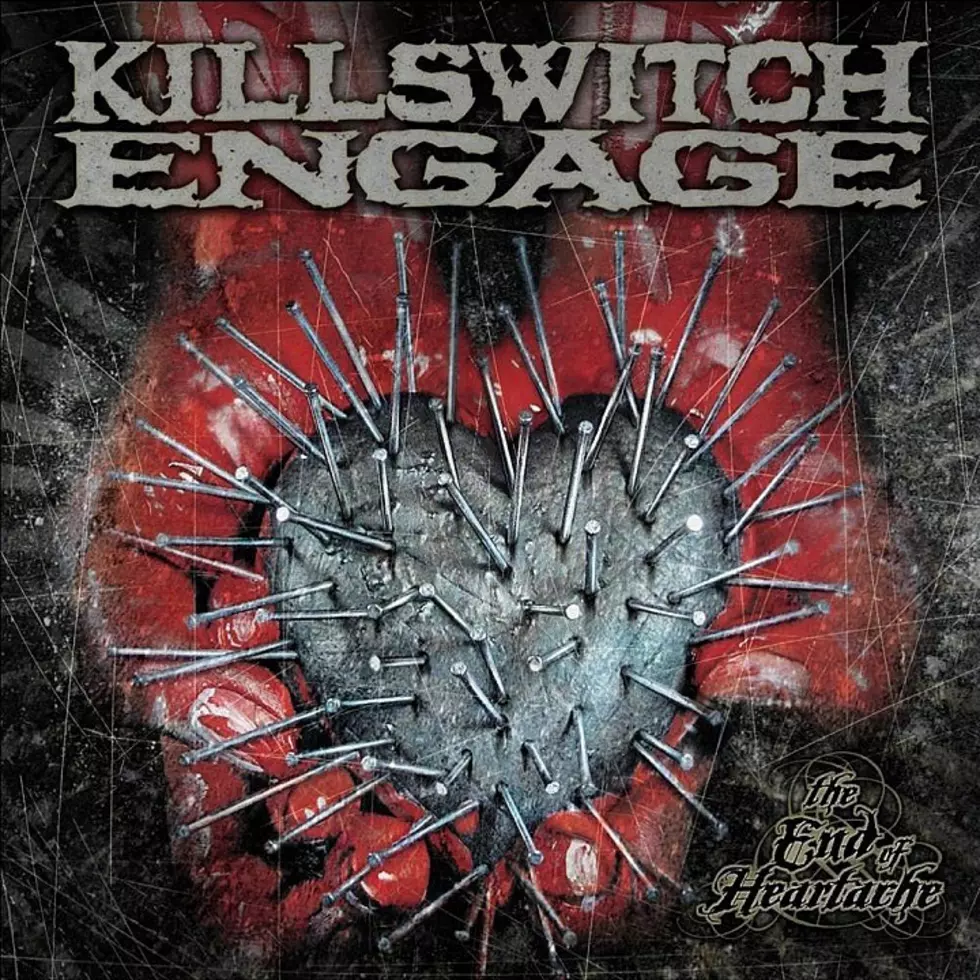
2004: Killswitch Engage, The End of Heartache (The End of Heartache)
Roadrunner
2004: Killswitch Engage, “The End of Heartache” (‘The End of Heartache’)
Runner-up: Mastodon, “Blood and Thunder”
Massachusetts’ Killswitch Engage defined the melodic metalcore subgenre with a bona fide classic in 2002’s ‘Alive or Just Breathing.’ And then their singer, Jesse Leach, bailed out with little warning, putting their future in doubt. Luckily, Killswitch quickly rebounded as a touring entity with new frontman Howard Jones. They proved that they were no fluke, and in fact that they were true leaders of the next generation of American metal bands on their next album, ‘The End of Heartache,’ whose title track was the LP’s highlight. (ER)
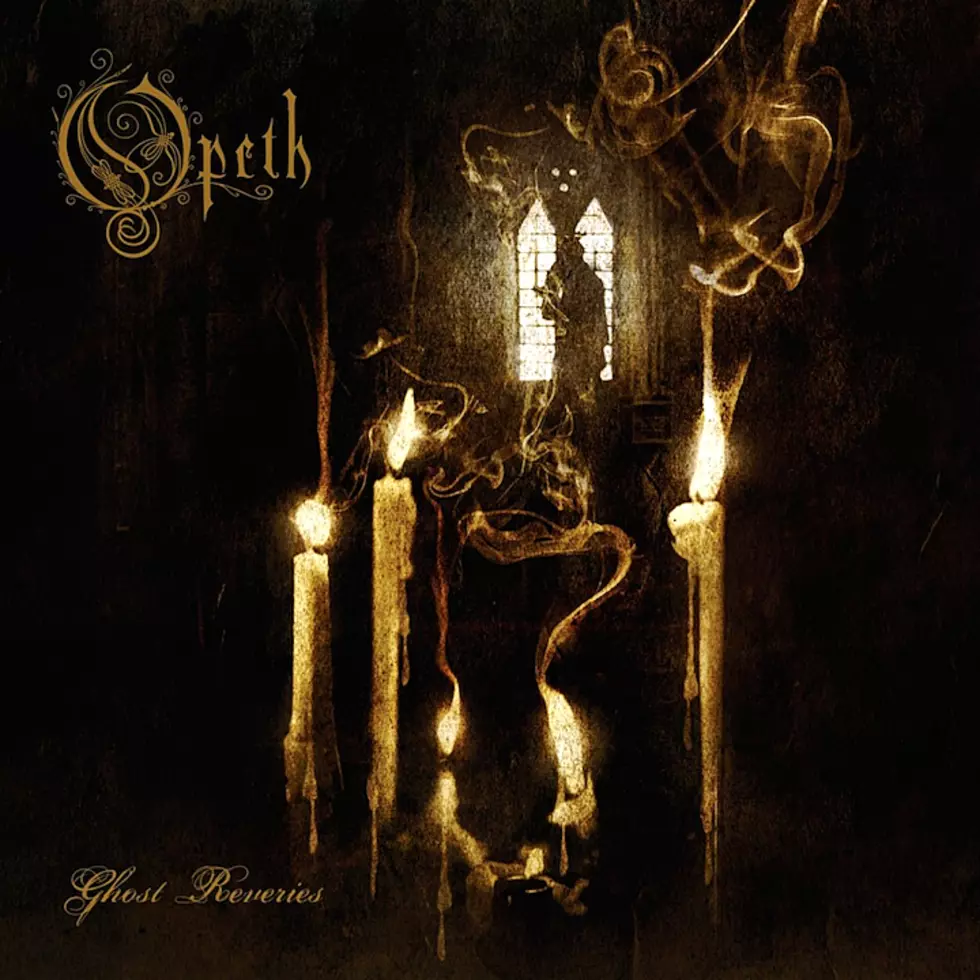
2005: Opeth, Ghost of Perdition (Ghost Reveries)
Roadrunner
2005: Opeth, “Ghost of Perdition” (‘Ghost Reveries’)
Runner-up: System of a Down, “BYOB”
Absolutely unstoppable in the late ‘90s and 2000s, Opeth boggled minds with “Ghost of Perdition,” the opening track to the masterful ‘Ghost Reveries.’ Clocking in at over 10 minutes, “Ghost of Perdition” boasts some of Mikael Akerfeldt’s best clean and guttural vocal parts as the entire instrumental section flexes its sophisticated prog muscles. No death metal band can compose quite like Opeth, and “Ghost of Perdition” is a smack in the face to anyone who dare attempt to outdo Akerfeldt and co. (GH)
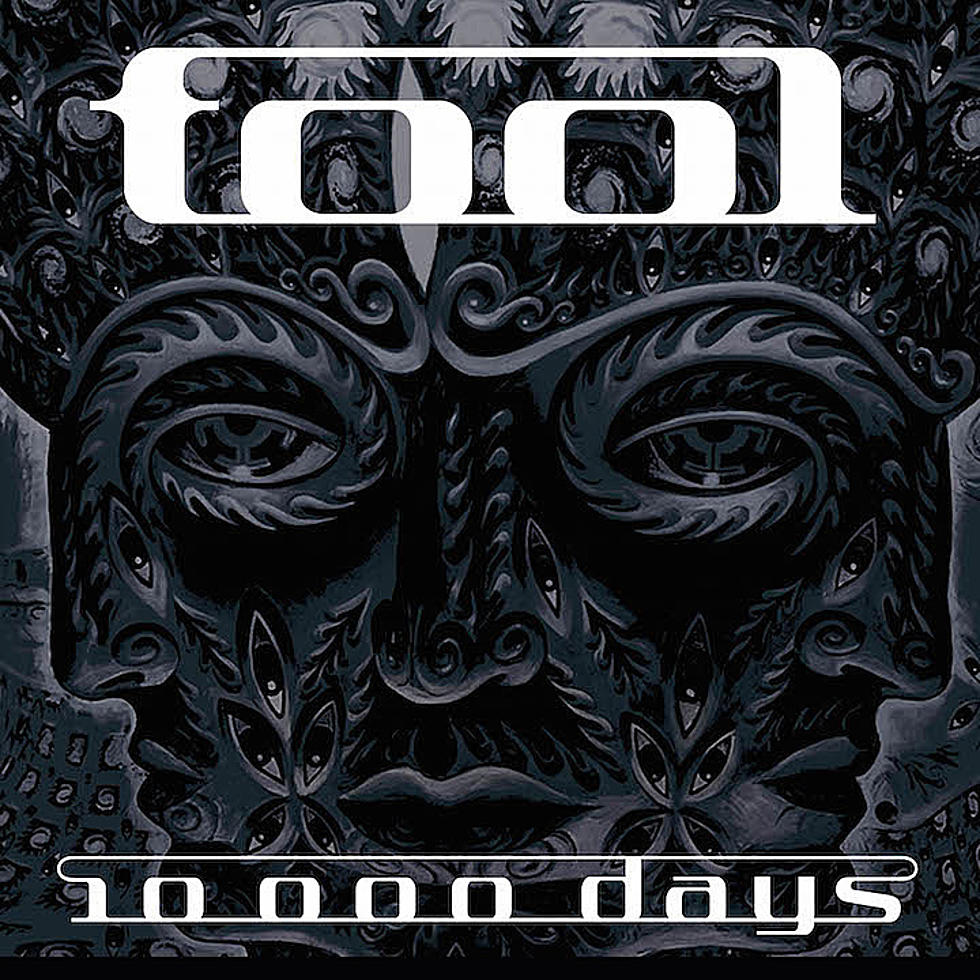
2006: Tool, Vicarious (10,000 Days)
Volcano Entertainment
2006: Tool, “Vicarious” (‘10,000 Days’)
Runner-up: Cannibal Corpse, “Make Them Suffer”
Following a five-year absence since the release of their prog-metal opus Lateralus (a considerable span of time that now seems minute compared to how long Tool have been working on their upcoming album), “Vicarious” was definitive proof that the band wasn’t close to running out of ideas. Released on April 17, frontman Maynard James Keenan’s birthday, the song was a gift to the band’s patient fans. The elliptical seven-minute number begins with a mathematically challenging intro, then tumbles into a gravity-defying rhythm anchored by Maynard’s melodic, but confrontational vocals: “I need to watch things die/From a distance.” The push-pull tension reaches a peak at about the 3:30 mark when the tempo changes again, accompanied by a choppy, skewed riff, which Maynard compliments with short, sharp vocal bursts morphed by production effects. To accentuate the drama, he juxtaposes the jarring passage with sunny “la-la-la-la-la-li” singing before the track returns to a blend of melody and menace. The message of the song? “We all feed on tragedy/ It’s like blood to a vampire.” (JW)

2007: The Dillinger Escape Plan, Milk Lizard (Ire Works)
Relapse
2007: The Dillinger Escape Plan, “Milk Lizard” (‘Ire Works’)
Runner-up: Machine Head, “Aesthetics of Hate”
By the time the Dillinger Escape Plan recorded their third studio album, Ire Works, guitarist Brian Benoit had sustained nerve damage in his left hand, rendering him unable to play. Instead of hiring a replacement, the band’s other guitarist Ben Weinman stepped up and did double duty. This led the band to experiment a bit more, incorporating non-traditional metal instruments like cellos, violins, and trumpets, the latter of which appear on “Milk Lizard.” Even with the inclusion of horns and a piano, “Milk Lizard” is still unrelenting and violent. (KI)

2008: Meshuggah, Bleed (obZen)
Nuclear Blast
2008: Meshuggah, “Bleed” (‘obZen’)
Runner-up: Slipknot, “Psychosocial”
With arguably metal’s greatest polyrhythm as its backbone, “Bleed” crushes like no other track in history. A simple bending groove with awesomely disgusting digital production hits with surgical precision behind Tomas Haake’s ridiculous drum work as Jens Kidman’s cold guttural vocals lurch “Bleed” forward for a devastating seven minutes. Meshuggah have inspired plenty of copycats, but no band can touch the apocalyptic and philosophical breadth of “Bleed,” which will forever remain one of the heaviest songs ever conceived. If you can even cover this song on drums, you’ve attained a serious level of skill. After all, it took Haake as long to master “Bleed” as it did to learn the rest of the ‘ObZen’ tracks combined. (GH)

2009: Mastodon, Oblivion (Crack the Skye)
Reprise
2009: Mastodon, “Oblivion” (‘Crack the Skye’)
Runner-up: Obscura, “The Anticosmic Overload”
Mastodon had already released two aggressive concept albums by the time they got to their fourth full-length album. Yet while the other records were strong they weren’t nearly as cohesive and cinematic as Crack The Skye. “Oblivion,” the album opener, set the stage with an atmospheric intro that gradually evolved into a series of offbeat riffs tied together by Brann Dailor’s precise drumming and tuneful, but desperate, vocals. Like a combination of early Rush and Pink Floyd, the song evolves through a series of strange, but hooky passages, revealing the story of a reckless mind explorer who travels too far during an astral projection and has his tether severed, rocketing him beyond the realm of sanity and into a domain in which only spirit guardians can guide him back home. Even without the imaginative concept, “Oblivion” is a striking blend of melody, psychedelia and chuggy riffage that brought Mastodon out of the screamy New Wave Of American Heavy Metal zone and into their own surreal reality. (JW)

2010: Ghost, Ritual (Opus Eponymous)
Rise Above
2010: Ghost, “Ritual” (‘Opus Eponymous’)
Runner-up: Iron Maiden, “The Talisman”
When Ghost released Opus Eponymous, it was more than just a fresh take on occultism and Satanic imagery; it was the birth of a legacy. “Ritual” takes cues from ‘70s prog rock and ‘80s metal, creating an anthemic and catchy ode to Satan. On the surface, the song is bright and poppy, but the dark lyrics, underlying organs, and heavy bridge lend ominous undertones to the song. The lyrics also include a rewrite of the Catholic prayer, “Our Father,” for good measure: “Our father / Who art in hell unhallowed be thy name / Cursed be the sons and daughters / Of thine nemesis whom are to blame / Thy kingdom come, Nema.” (KI)

2011: Septicflesh, The Vampire From Nazareth (The Great Mass)
Season of Mist
2011: Septicflesh, “The Vampire From Nazareth” (‘The Great Mass’)
Runner-up: Anthrax, “The Devil You Know”
Septicflesh’s “The Vampire From Nazareth” stood out in a year dominated by bands like Mastodon, Machine Head and Anthrax. It’s a flawless mix of death metal and symphonic music, courtesy of the Prague Philharmonic, making their second appearance on this list – their first was on Dimmu Borgir’s “Progenies of the Great Apocalypse.” “The Vampire From Nazareth” is a haunting piece of ‘The Great Mass’ driven by a female soprano, grotesque guttural vocals and constant compositional surprises. If Wagner, Shostakovich or Lizst were still alive, they’d no doubt be jamming with Septicflesh to create more grand works like “Vampire.” (GH)

2012: Gojira, LEnfant Sauvage (LEnfant Sauvage)
Roadrunner
2012: Gojira, “L’Enfant Sauvage” (‘L’Enfant Sauvage’)
Runner-up: High on Fire, “Fertile Green”
Gojira had made enough noise in the metal scene with their fourth studio album that it landed them a coveted contract with Roadrunner Records. They made their label debut with L’Enfant Sauvage, in which their already buzzworthy sound had matured to even greater heights. The title track is a great juxtaposition of melodic, progressive, and technical metal, with plenty of groove. The band has only continued to evolve since then, adding to their already impressive legacy. (KI)
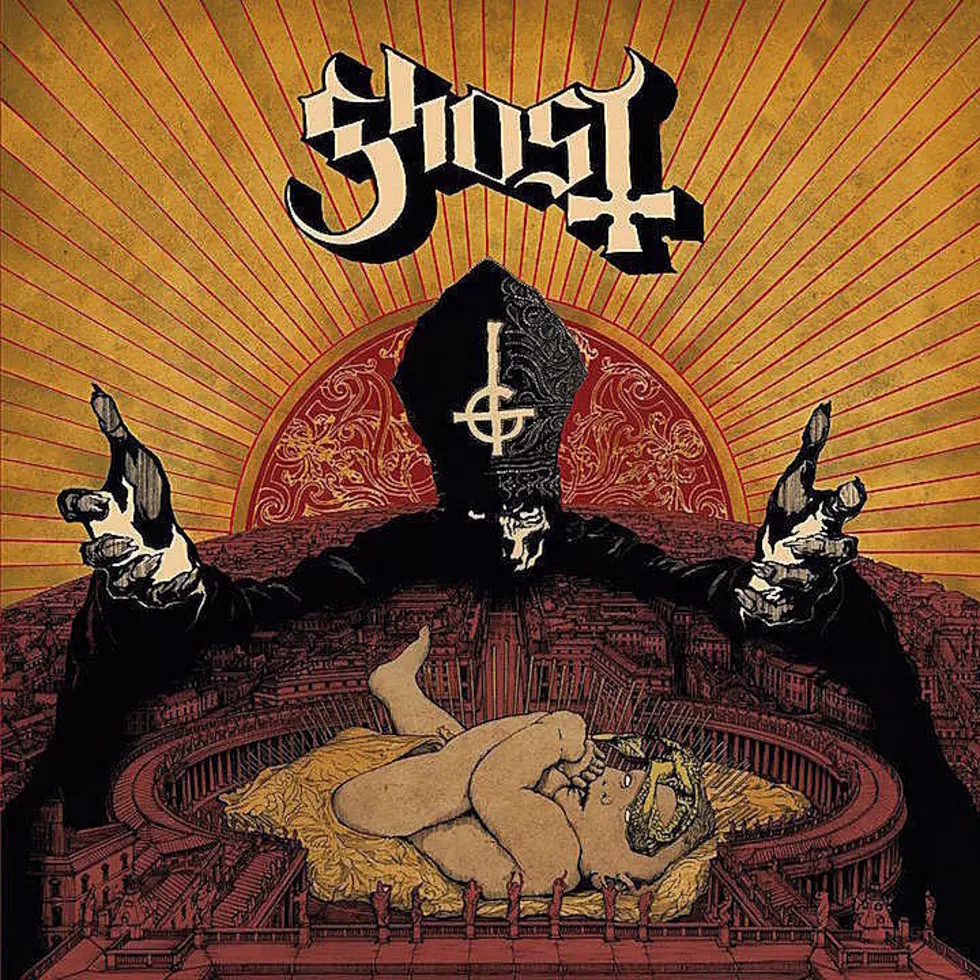
2013: Ghost, Year Zero (Infestissumam)
Loma Vista
2013: Ghost, “Year Zero” (‘Infestissumam’)
Runner-up: Gorguts, “An Ocean of Wisdom”
Beginning with 2010’s ‘Opus Eponymous,’ the mysterious musical entity known simply as Ghost were an exciting and intriguing new force in metal. Their sound was unique: they backed their provocatively satanic lyrics with a surprisingly soft, pop-metal sound; is was as if ABBA and King Diamond had an unholy love child. By the time Ghost returned with 2013’s sophomore release, ‘Infestissumam,’ what had started as an underground cult band were reaching scores of mainstream metal fans, in great part because of “Year Zero.” (ER)
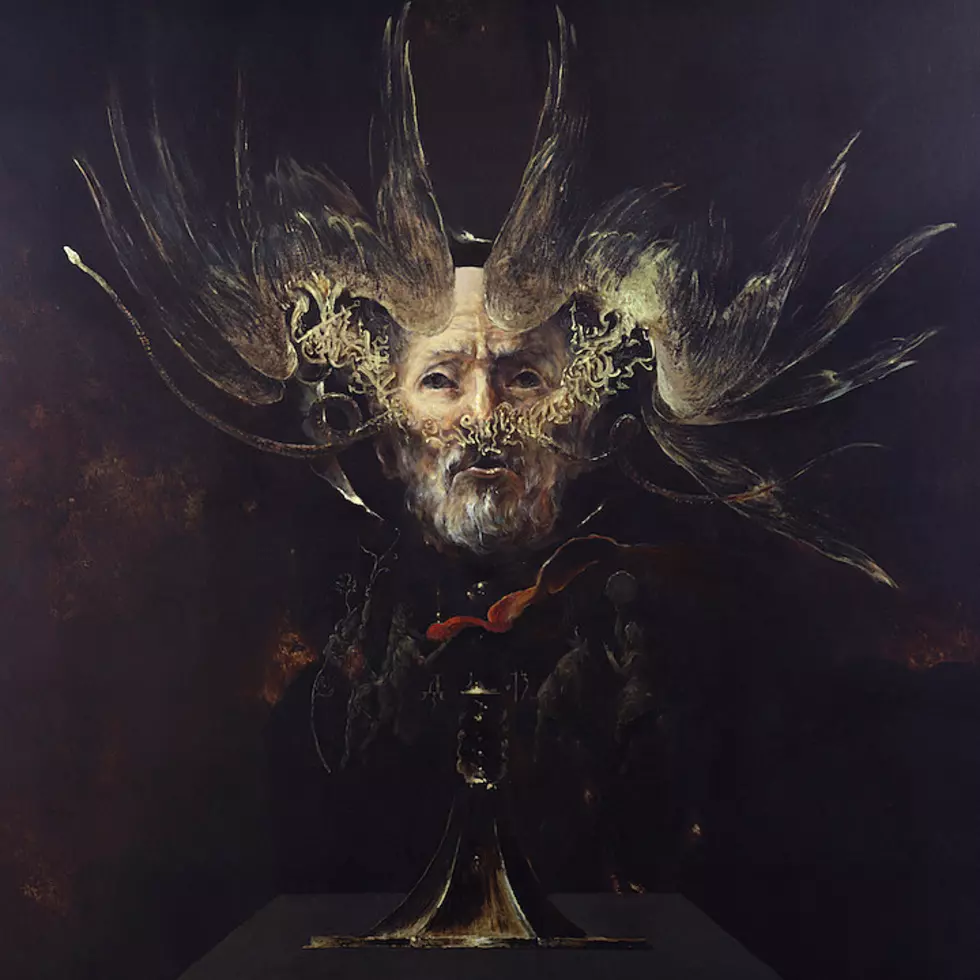
2014: Behemoth, O Father O Satan O Sun! (The Satanist)
Nuclear Blast / Metal Blade
2014: Behemoth, “O Father O Satan O Sun!” (‘The Satanist’)
Runner-up: Slipknot, “The Negative One”
“O Father O Satan O Sun!” may be one of the greatest album closers in metal history, providing the final notes for the best album of 2014, ‘The Satanist.’ The song is a triumphant work of impenetrable darkness. It’s rare for a blackened track to hone such unique character, but Behemoth etched themselves into the annals of extreme metal history with this apocalyptic cut. The song’s hellish intro chorus, stylish guitar solo and 90-second spoken-word outro are all unlike anything in modern metal. (GH)

2015: Ghost, Cirice (Meliora)
Loma Vista
2015: Ghost, “Cirice” (‘Meliora’)
Runner-up: Iron Maiden, “If Eternity Should Fail”
Originally a nine-minute megapiece, Ghost’s “Cirice” was wisely stripped down to its strongest six minutes… and the song ultimately won them a Grammy Award. “Cirice” is arguably Ghost’s most masterfully composed track, delivering a ominous intro followed by one of the band’s heaviest lead riffs. Breaking its mid-tempo pace, Papa Emeritus III’s delivery of “I can feel the thunder that’s breaking in your heart” chills every time as he offers a poisonous delivery from mortal pain through Satan. “Can’t you see that you’re lost without me?” (GH)
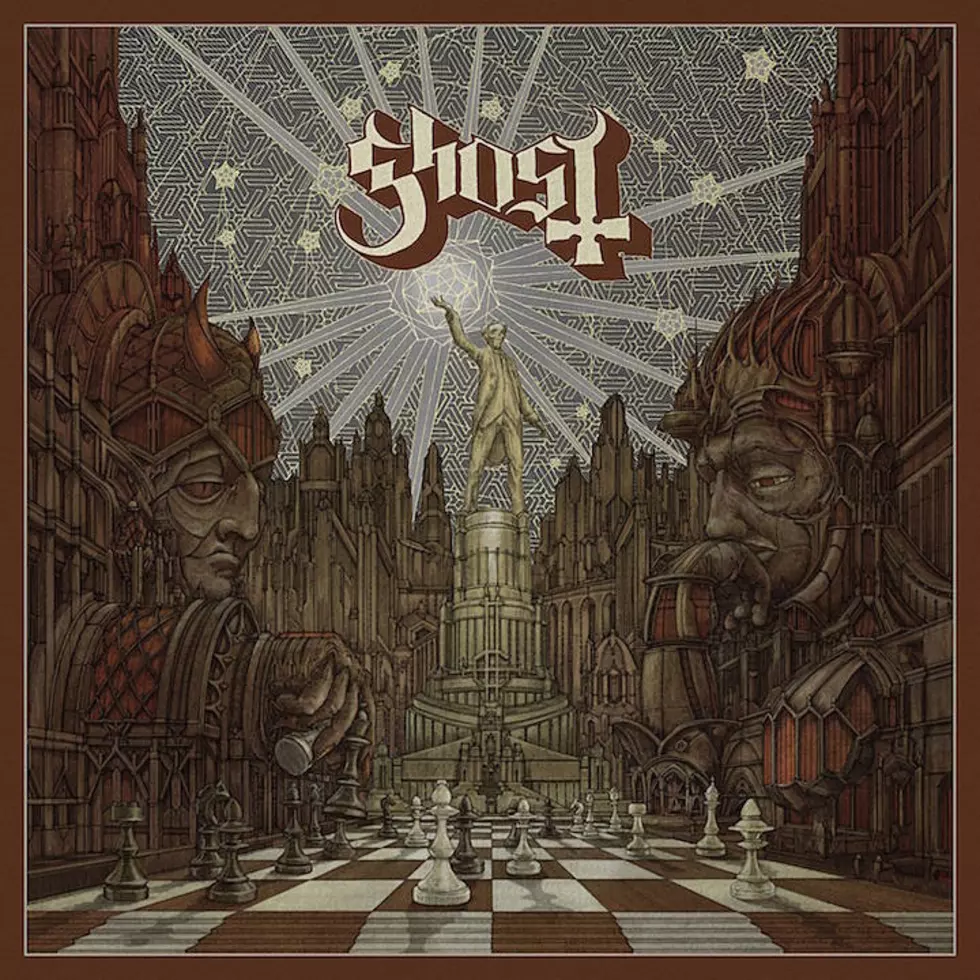
2016: Ghost, Square Hammer (Popestar EP)
Loma Vista
2016: Ghost, “Square Hammer” (‘Popestar’ EP)
Runner-up: Gojira, “Silvera”
It was the only original song released by Ghost in 2016 and it’s all they needed to get our nod for the best metal song of that year. “Square Hammer” (which we named No. 1 in our ranking of every Ghost track ever) is their quintessential song, bridging their hard rock / heavy metal foundation and their flair for the theatric with shimmering melodies and an arena-ready arrangement. And that ever-so-slight nod to Def Leppard’s “Switch 625” offered up an Easter egg for the metal faithful ready to bow before their new masters. (JD)

2017: Code Orange, Forever (Forever)
Roadrunner
2017: Code Orange, “Forever” (‘Forever’)
Runner-up: Pallbearer, “I Saw the End”
In an era where metal — and rock — seems to be having an identity crisis in regards to where it fits into popular music, lots of bands with commercial potential tone down their jagged edges in the hopes of appealing to a wider audience. So it was refreshing and exciting to see Code Orange, one of the genre’s best up-and-coming bands, stick to their guns on their 2017 album ‘Forever,’ combining their underground metal, hardcore punk and industrial influences, without toning down their abrasiveness. In doing so, they created their breakthrough album, ‘Forever,’ an LP that sounded fresh, exciting and dangerous, and they did it on their own terms. The title track was the album’s highlight and showed that, nearly five decades after Sabbath’s emergence, metal is still spawning great new bands. (BI)

2018: Judas Priest, Lightning Strike (Firepower)
Sony
2018: Judas Priest, “Lightning Strike” (‘Firepower’)
Runner-up: Sleep, “Giza Butler”
Judas Priest, one of heavy metal’s most enduring acts and biggest innovators, have nothing left to prove in 2018. They’ve done it all and are respected in the genre as veterans who still make new music worth hearing. We’re still waiting for the Rock and Roll Hall of Fame to wise up and induct them already! Their latest audio assault, ‘Firepower,’ is a mission statement and proof positive that age has no bearing on quality, a notion made immediately clear when the album’s first single, “Lightning Strike,” dropped. It’s quintessential Judas Priest with mind-boggling guitar work, nuanced drumming and a dominant performance from the Metal God himself, Rob Halford. As the eldest active heavy metal band, Judas Priest are still challenging everyone in metal to raise their game. (JD)
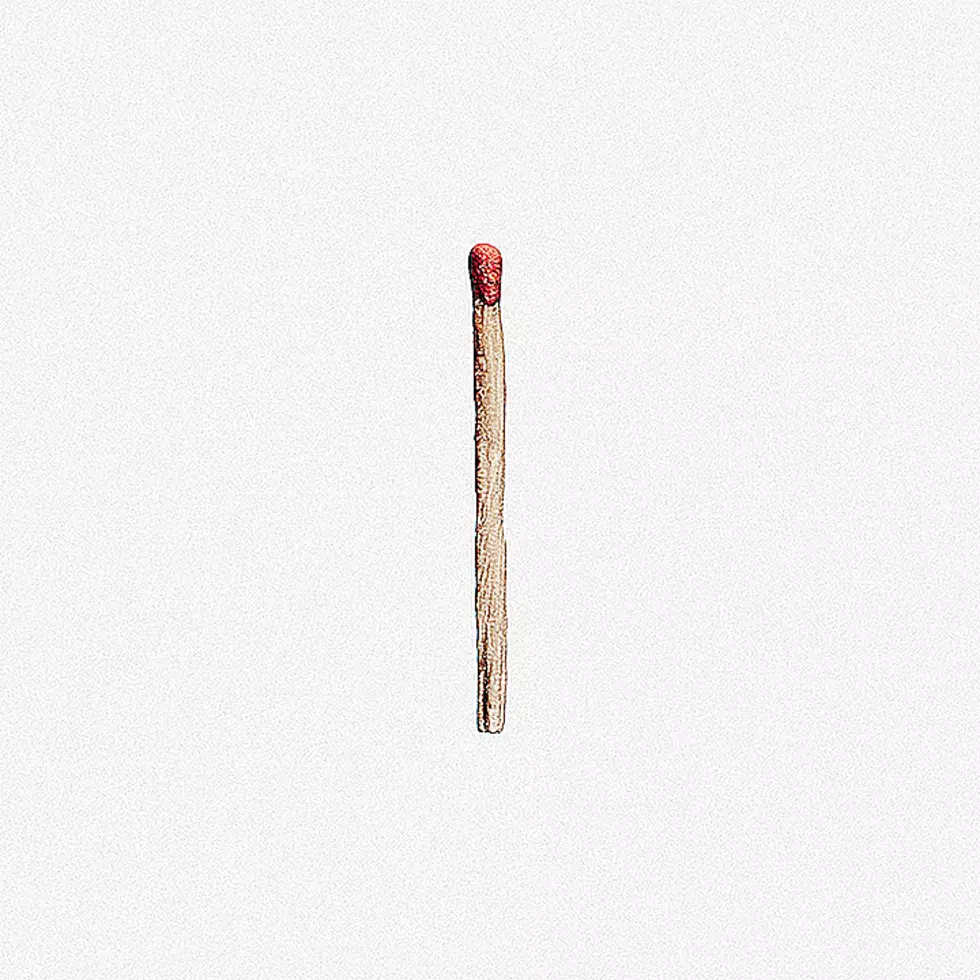
2019: Rammstein, Deutschland (Rammstein)
Universal
2019: Rammstein, “Deutschland” (‘Rammstein’)
Runner-up: Poppy, “Concrete”
“Deutschland” is one of 2019’s biggest hits across all music genres and is one of Rammstein’s most successful songs of all time. It’s just their second song to hit No. 1 in Germany and the cinematic music video racked up over 42 million views in a month. “Deutschland” is classic Rammstein, utilizing big synth leads, giant power chords and Till Lindemann’s unmistakable voice. The single is flawlessly composed, sounding just as fresh as “Du Hast” did two decades ago. (JD)
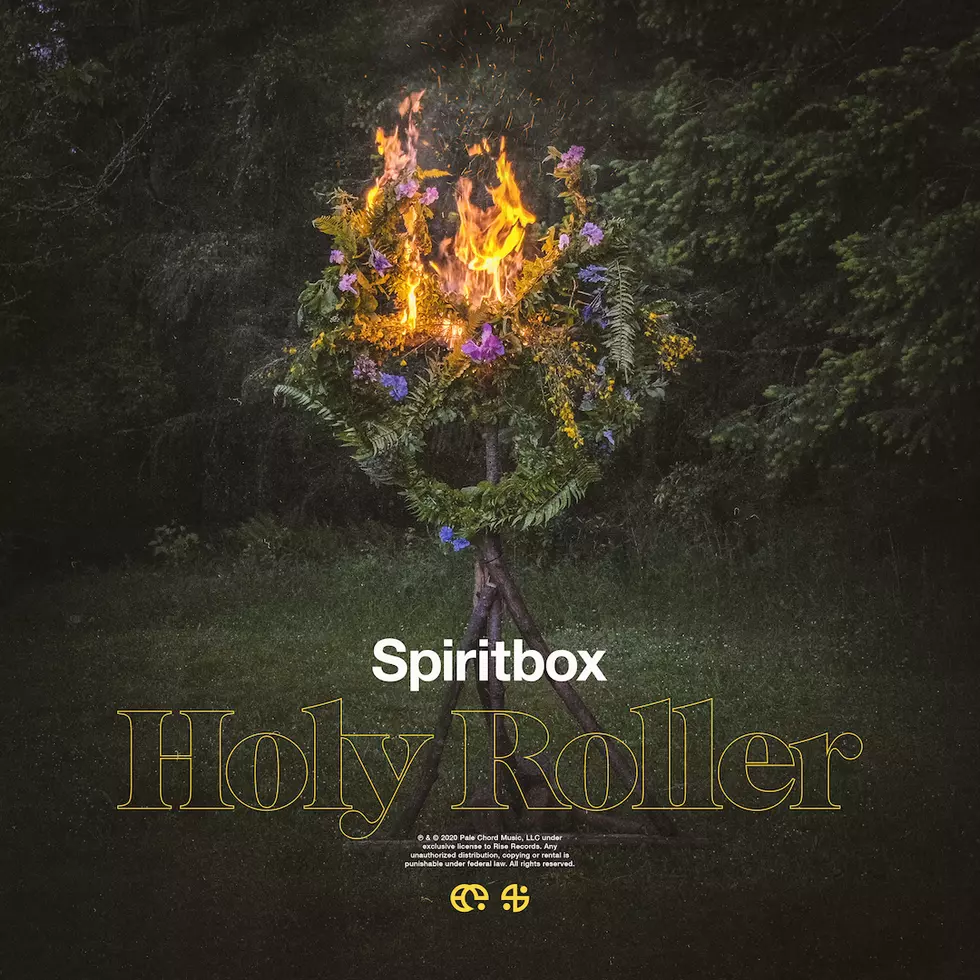
2020: Spiritbox, Holy Roller (Holy Roller Single)
Pale Chord Music / Rise Records
2020: Spiritbox, “Holy Roller” (‘Holy Roller’ Single)
Runner-up: Architects, “Animals”
“Holy roller sits in the garden we fled / blood into wine take my body instead.” Preach, Courtney LaPlante! The future of heavy music will be defined by the integration of musical styles far outside of metal in all its amorphous forms. Spiritbox have done that well already as their debut album awaits release, but “Holy Roller” is a bit different — this is a knuckle-busting, breakdown-laden track surely designed for Neanderthals, if we ever manage to find, thaw and resuscitate one… and introduce this ancient ancestor to the heaviest thing since they dragged a mammoth carcass back home for dinner. (JD)
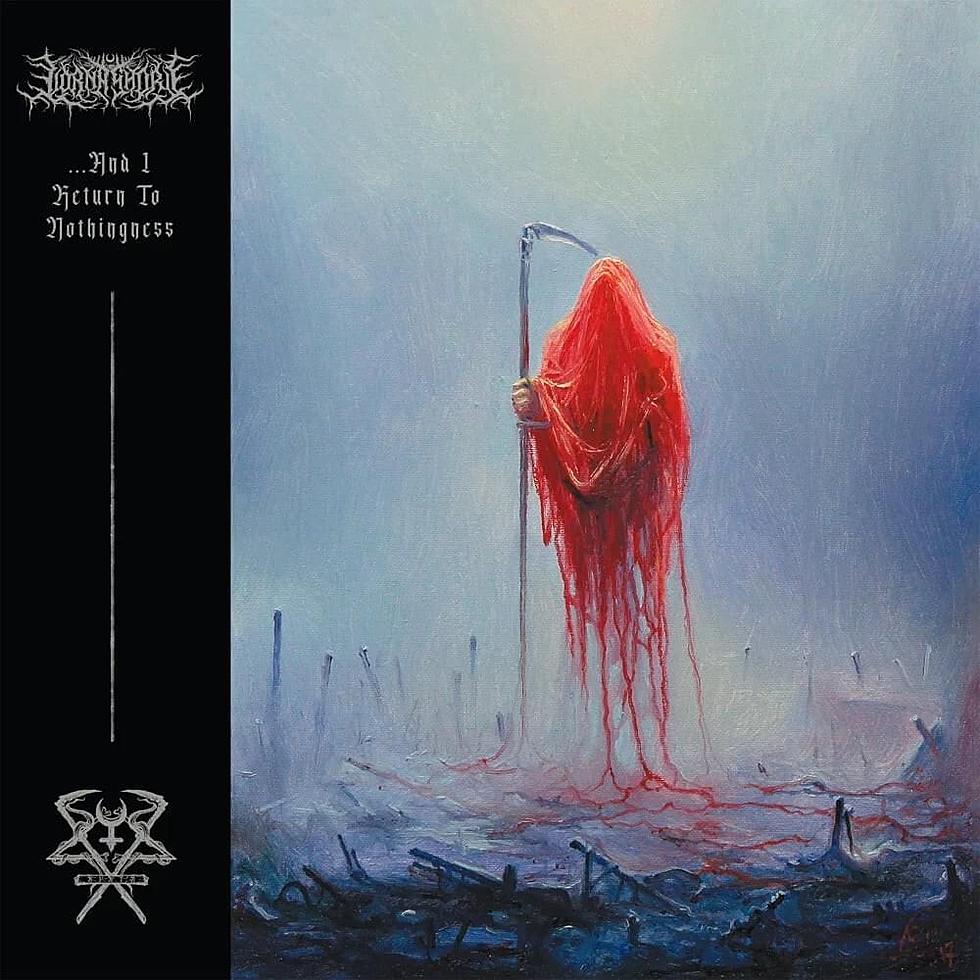
2021: Lorna Shore, To the Hellfire (…And I Return to Nothingness)
Century Media
2021: Lorna Shore, “To the Hellfire” (‘…And I Return to Nothingness’)
Runner-up: Spiritbox, “Circle With Me”
Metal fans probably didn’t start the year guessing that steadfast U.S. deathcore mainstays Lorna Shore would break out of the underground with a series of brutal pig squeals. But when the band introduced their new lead vocalist Will Ramos with the pulverizing “To the Hellfire” this summer, the performer’s throaty gutturals and the blistering sonics surrounding them garnered enough heat to make the song a popular meme on the video-sharing app TikTok. Heavy metal influencers such as Nik Nocturnal helped push it over the top, and the tune subsequently landed near the top of Spotify’s U.S. Viral Top 50 chart. Now, Lorna Shore are in prime position to make the biggest moves of their career. (PT)
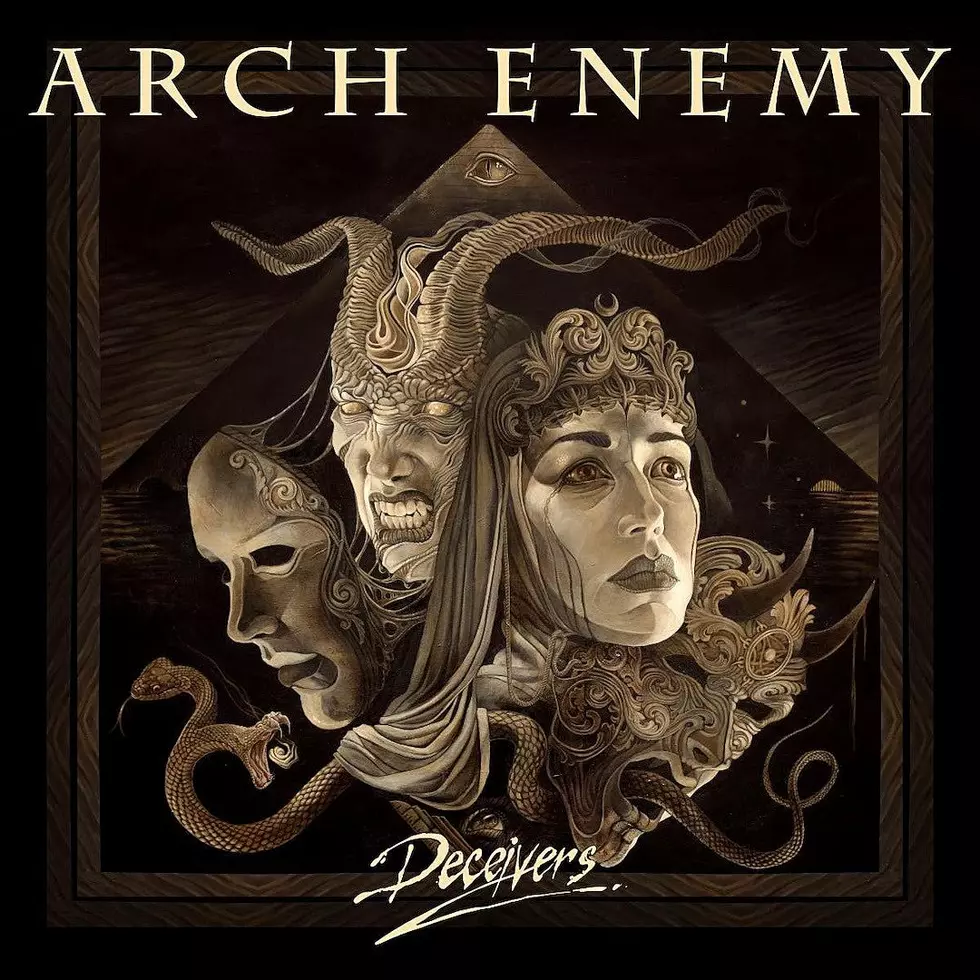
Arch Enemy, Deceivers
Century Media
2022: Arch Enemy, “Handshake With Hell”
Runner-up: Megadeth, “We’ll Be Back”
It was a banner year for Arch Enemy, one that sees “Handshake With Hell” as our pick for their gem from the outstanding, Deceivers album. With a nod to classic heavy metal, the guitar playing here is top notch, from the opening tapping symphonic moments to driving heaviness that powers the bulk of the song.
Meanwhile, Alissa White-Gluz shows her range with brutal guttural verses and a strong melodic chorus belting about the foolishness of those who continue to dig their own graves. (CC)
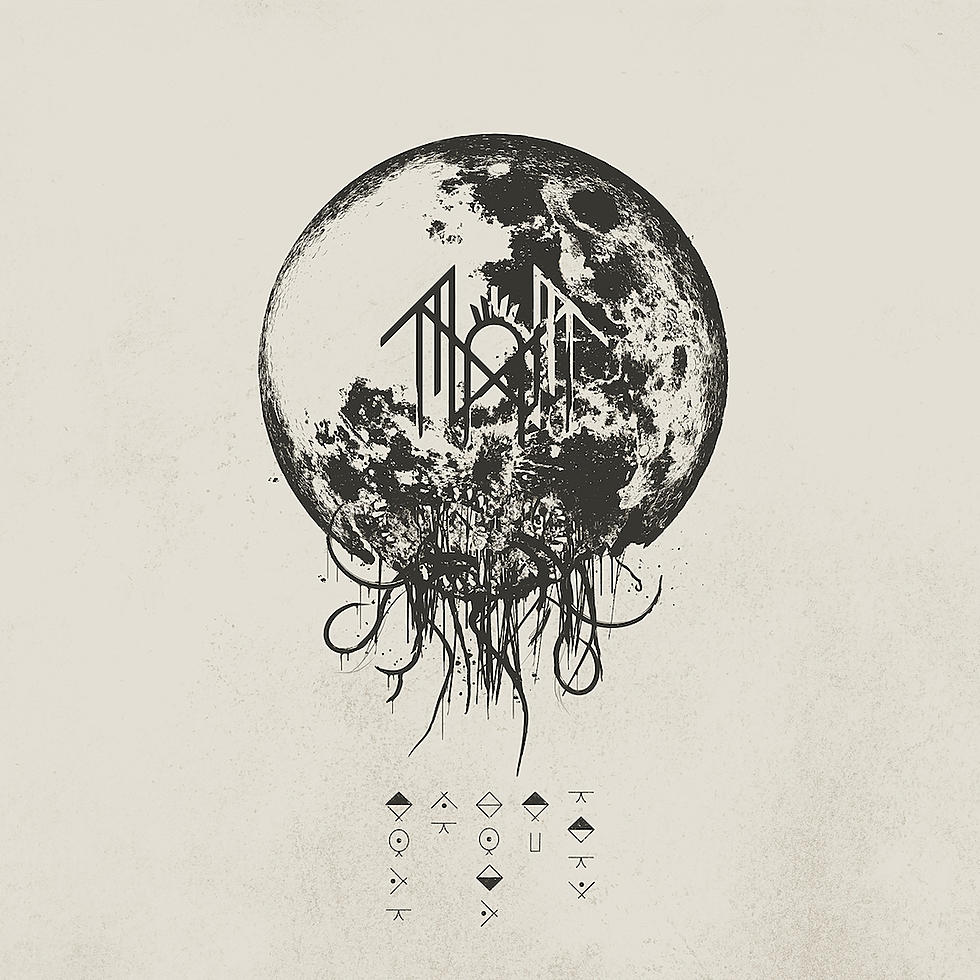
Sleep Token, Take Me Back to Eden
Spinefarm
2023: Sleep Token, “The Summoning”
Runner Up: Judas Priest, “Panic Attack”
This was Sleep Token’s breakout year and a lot of it is due to the overwhelming viral success of the Take Me Back to Eden single, “The Summoning.”
The title is an accurate description of what happened with this song — it indeed summoned the masses and catapulted Sleep Token to heights rarely experienced by bands this early in their career.
Sure, it’s more lush and dreamy than most metal songs (aside from that crunchy breakdown and the feral screams that accompany it), but metal is about evolution. And Sleep Token’s ability to morph sounds and textures represents another major shift in heavy music.

Gojira, Ah Ça Ira
International Olympic Community
Gojira, “Mea Culpa (Ah! Ça Ira!)”
Runner-Up: Knocked Loose ft. Poppy, “Suffocate”
It was the moment of the year and all anyone could talk about worldwide from the Olympics opening ceremony in Paris, France.
Gojira, perched atop castle balconies, playing brutal rhythmic metal with screams, dissonance and, yes, even a breakdown! A song of rebellion, accentuated by dozens of figures of a beheaded Mario Antoinette and blood streamers, Gojira pulled off the metal most thing that has ever happened.
“Mea Culpa (Ah! Ça Ira!)” features opera singer Marina Viotti, who, for unassuming mainstream normies, adds a ton of credibility for extreme metal. If it’s a proper fit for opera and orchestration, maybe it can help detractors realize metal isn’t just noise after all.
This song represents something time will never, ever forget. —JD
Read More: Arch Enemy Part Ways With Alissa White-Gluz – See Statements | https://loudwire.com/arch-enemy-part-ways-singer-alissa-white-gluz-statements/?utm_source=tsmclip&utm_medium=referral
News
Don Lemon Speaks Out After Release From Jail: ‘I Will Not Be Silenced’
A judge on Friday ordered Don Lemon to be released on his own recognizance, after he was indicted on charges of interfering with a religious service…

‘The Mummy 4’ Starts Filming in the UK and Morocco in August
The highly anticipated fourth installment in the cult classic ‘The Mummy’ franchise is finally getting into production. Principal photography will…

Fact Check: Is Henry Cavill the Main Villain in The Mummy 4?
Is Henry Cavill going to star as the main villain in Brandon Frasers’ The Mummy 4? Learn how the rumor…

Lady Gaga Pauses Tokyo Concert to Condemn ICE and Support Americans ‘Who Are Being Mercilessly Targeted’: ‘We Need to Get Back to a Place of Safety’
Lady Gaga delivered a heartfelt speech and spoke out against ICE during one of her Mayhem Ball concerts in Tokyo, Japan….

Sleeper Hit! Henry Cavill’s “Night Hunter” Soars on Paramount+ Years After Release
Hollywood Shocker Alert: Henry Cavill’s “Night Hunter” Explodes on Paramount+ Six Years Later Becoming the Ultimate Sleeper Hit Talk about…

Unbroken Will! Henry Cavill Shares Intense Recovery & Training After Highlander Injury.
Henry Cavill is channeling pure determination in his recovery from a leg injury during Highlander training—sharing intense gym photos (leg…
End of content
No more pages to load