
The debate over transgender participation in sports has intensified in 2025, with policies shifting toward restrictions rather than expansions. According to multiple reports, the LGBTQ+ community appears reluctant to embrace a separate category for transgender athletes.
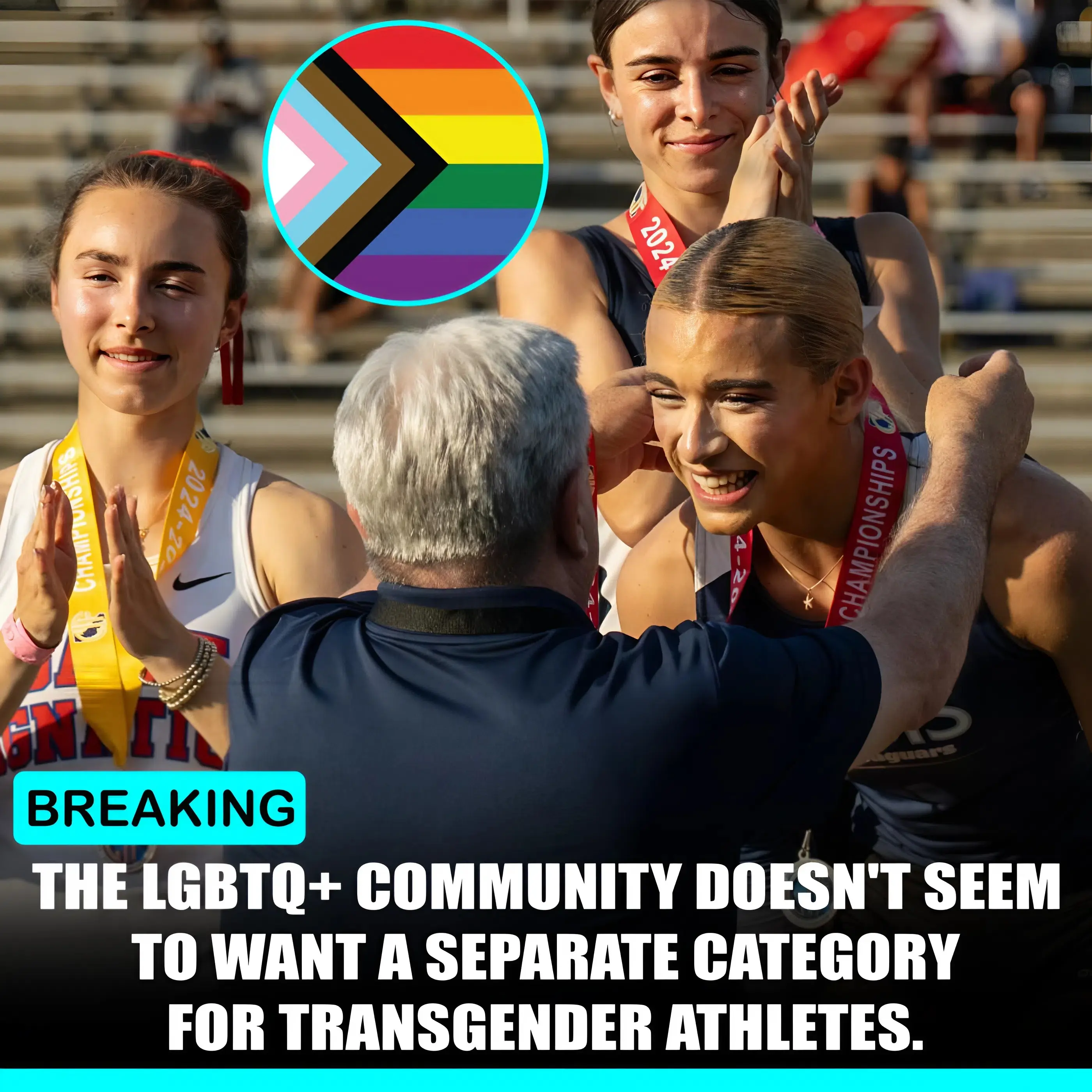
Instead, many advocate lifting bans to allow competition in longstanding categories aligned with gender identity. This stance underscores a broader push for inclusion over segregation.
On February 5, 2025, President Trump signed Executive Order 14201, titled “Keeping Men Out of Women’s Sports.” The order directs the Department of Education to enforce Title IX strictly, limiting women’s categories to those assigned female at birth.
It threatens federal funding cuts for non-compliant institutions, affecting schools nationwide. This move rescinded prior protections, sparking immediate backlash from LGBTQ+ advocates.
The NCAA swiftly responded on February 6, updating its policy to bar transgender women from women’s competitions. Men’s categories remain open to all, while transgender athletes can practice with women’s teams and access benefits like medical care.
Schools are urged to create welcoming environments, but critics argue this creates a facade of support without true equity. The policy shift impacts fewer than 10 known transgender college athletes, per NCAA estimates.
LGBTQ+ organizations like GLAAD and the Human Rights Campaign decry these changes as discriminatory. They highlight that transgender athletes comprise just 0.002% of U.S. college competitors, making bans disproportionate.
Participation fosters self-esteem and reduces depression among LGBTQ+ youth, studies show. Banning access could exacerbate mental health crises, with one analysis linking sports involvement to higher grades and school belonging.
In Minnesota, a unanimous Supreme Court ruling on October 22, 2025, in Cooper v. USA Powerlifting affirmed transgender rights to compete. The decision emphasized dignity and inclusion, rejecting claims of inherent advantages.

Gender Justice, the lead plaintiff, celebrated it as a victory for human potential in sports. Yet, this state-level win contrasts sharply with federal rollbacks.
Transgender athletes like swimmer Lia Thomas remain focal points. In July 2025, UPenn settled a Department of Education complaint by banning transgender women from women’s teams.
The university apologized to affected cisgender athletes, stripped Thomas’s records from 2021-2022, and redefined categories by biological sex. LGBTQ+ groups called this unconstitutional extortion, likening it to coerced compliance under funding threats.
Riley Gaines, a former swimmer and vocal critic, praised the settlement on social media. She challenged the IOC’s November 2025 ruling, which eases transgender inclusion without strict testosterone limits.
Gaines argued that self-identification isn’t bravery and cited examples in boxing and hockey as unfair. Her views align with 102 female athletes’ briefs supporting state bans for competitive equity.
Conversely, the LGBTQ+ community views separate categories as stigmatizing “separate but equal” echoes of historical segregation. Transgender advocates, including Athlete Ally’s Charli Phillips, argue such proposals violate dignity and civil rights.
Phillips, a Columbia swimmer, leads defenses against bans, calling them assaults on inclusion. In Maine, communities refuse compliance, prioritizing local equity over federal mandates.
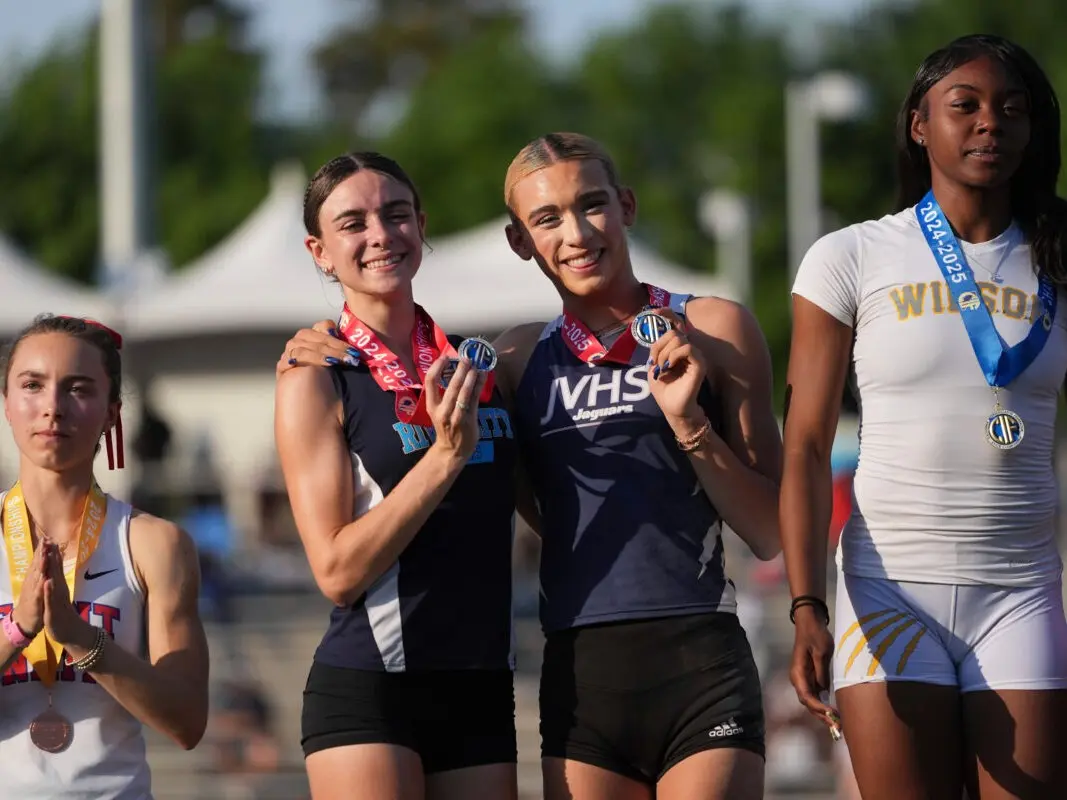
Scientific discourse fuels the divide. A 2024 British Journal of Sports Medicine study, IOC-funded, found no meaningful advantages for transgender women post-hormone therapy. Bone density matched cisgender women, and hemoglobin levels showed no edge.
Earlier 2021 research echoed this, debunking blanket advantage claims. Critics, including medical experts from federations, counter that policies ignore sex-based physiology like muscle mass retention.
World Athletics implemented genetic testing from September 2025 for female-category eligibility at world events. This targets DSD athletes too, drawing ire for invasiveness.
The IOC’s framework, post-250-stakeholder consultations, prioritizes evidence over assumptions. Yet, opponents like Gaines demand sport-specific testosterone thresholds to ensure fairness.
State-level fragmentation persists, with 27 bans enacted by mid-2025. Nebraska’s delayed until October, while New Hampshire’s faces injunctions for two plaintiffs. Arizona and Idaho bans withstood challenges, but Montana’s higher-education block was overturned.
These patchwork laws burden transgender youth, who face harassment even in permissive states. Cisgender girls have been falsely accused under bans, deterring participation.
Experiences of transgender student-athletes reveal mixed realities. A 2025 Taylor & Francis study surveyed open LGBTQ+ competitors, finding majority positive team support at high school and college levels.
Lesbian, gay, bisexual, and transgender respondents reported reactions exceeding expectations. However, initial fears of intolerance linger, amplified by policy volatility.
Broader LGBTQ+ impacts extend beyond elite sports. Trump’s order affects K-12 gym classes, mandatory in many districts, per Williams Institute analysis.
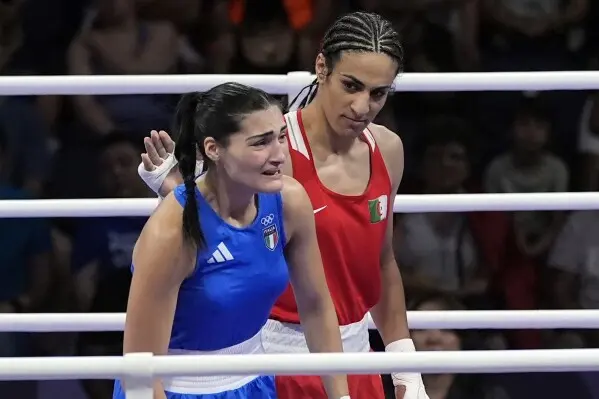
Over 745 anti-trans bills in 2025 alone target this 1% population. Advocates warn of cascading effects: higher suicide risks, eroded belonging. Sports’ unifying spirit—teamwork, resilience—should celebrate diversity, not weaponize it.
Calls for open categories emerge as alternatives. Olympic medalist Sharron Davies proposes female-protected and inclusive open divisions. Trans-identifying males could compete fairly there, while trans men on testosterone find space without male-category dominance.
This model, she argues, lets athletes self-identify without cheating via misplaced competition. Few discuss trans men’s needs, as they rarely displace men.
Yet, separate categories face rejection. A 2023 swimming World Cup trans event canceled for zero entries. Critics like developmental biologist Emma Hilton note logistical issues: finite lanes disadvantage girls if resources divert. Trans athletes might not compete against peers, diluting recognition.
Simone Biles’s 2025 suggestion of trans divisions drew “separate but equal” backlash from advocates.
International contrasts offer hope. Glasgow’s 2026 Commonwealth Games welcomes transgender athletes, defying Olympic ban discussions.
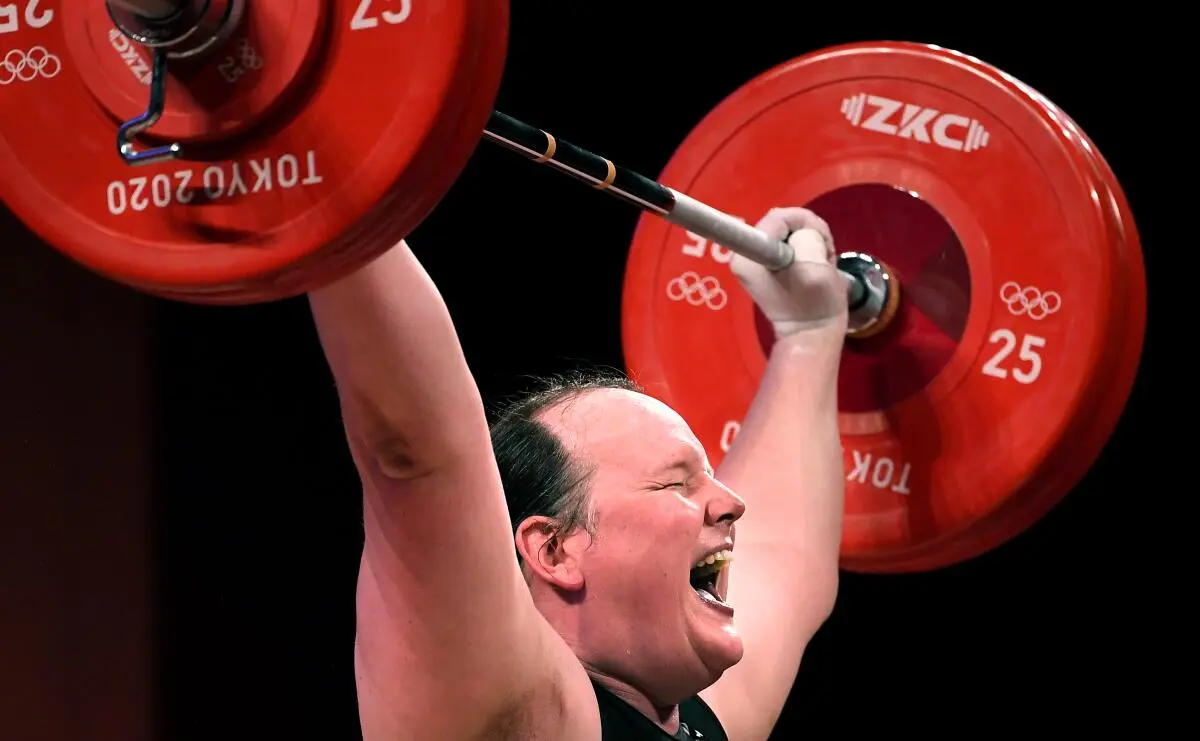
Thailand’s Iron Ladies, a 1996 men’s volleyball team of gay men and trans women, won nationals—proving inclusion’s viability. U.S. Figure Skating reviews policies holistically, from grassroots to Olympics.
The Supreme Court’s July 2025 certiorari in Idaho and West Virginia cases looms large. Oral arguments could redefine state bans under Title IX and Equal Protection. Briefs from female Olympians back restrictions, citing strength disparities. Outcomes, expected summer 2026, may standardize or splinter further.
As 2025 closes, the reluctance for separate categories stems from deeper fears: erasure, not elevation. Transgender athletes seek the camaraderie all players crave—love of the game, shared triumphs.
Policies must balance fairness without exclusion. Sports thrive on breaking barriers; true progress honors every athlete’s perseverance.
LGBTQ+ voices, from parents to pioneers like Schuyler Bailar—the first openly trans NCAA Division I athlete—insist myths fuel bans. Bailar debunks advantage narratives, noting uneventful participations in youth leagues. Non-issues become wedges in culture wars, diverting from real threats like underfunding women’s programs.
Ultimately, inclusion isn’t zero-sum. Evidence-based rules, like IOC’s, can mitigate edges without blanket prohibitions.
Communities resisting bans, as in Maine, model resilience. By amplifying transgender stories—perseverance amid scrutiny—sports can reclaim its essence: unity over division.
News

Robert De Niro Warns There’s ‘No Way’ Trump Ends 2nd Term in 2028 Without a Fight: ‘It’s Up to the People’
The Academy Award winner unpacks the president’s approach to the upcoming midterms on “The Best People with Nicolle Wallace” Robert…

Chrissy Teigen Says She’s ‘Genuinely Best Friends’ With John Legend, They ‘Balance Each Other Out’
Chrissy Teigen is opening up to Us Weekly about how she and her husband, John Legend, continue to beat the odds in Hollywood. “We…

Chrissy Teigen Explains Why She Needs 2 Days to Successfully Give 2-Year-Old Son Wren a Haircut
Teigen shares her four kids — Esti, Wren, Miles and Luna — with husband John Legend Chrissy Teigen; son Wren.Credit…

Chrissy Teigen’s Kids Have the Cutest Reaction to Seeing Her on TV: ‘That’s Momma!’
The TV personality filmed her children watching her in her judging role on Netflix’s revival of ‘Star Search’ Chrissy Teigen…
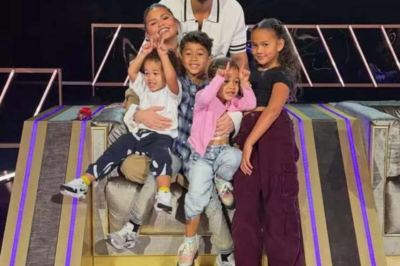
Chrissy Teigen Jokes That Her Kids Are ‘More Judgmental’ and Mock Her Food Since She Joined Star Search (Exclusive)
“I haven’t gotten any threes yet,” the cookbook author, who stars as a celebrity judge on the Netflix show, told…

Chrissy Teigen Shares Her Secret to Keeping 12-Year Marriage to John Legend Strong — and It Involves Keeping Things ‘Sexy’
Her ‘Star Search’ costar Sarah Michelle Gellar also weighed in on how she keeps things strong with her husband Freddie…
End of content
No more pages to load